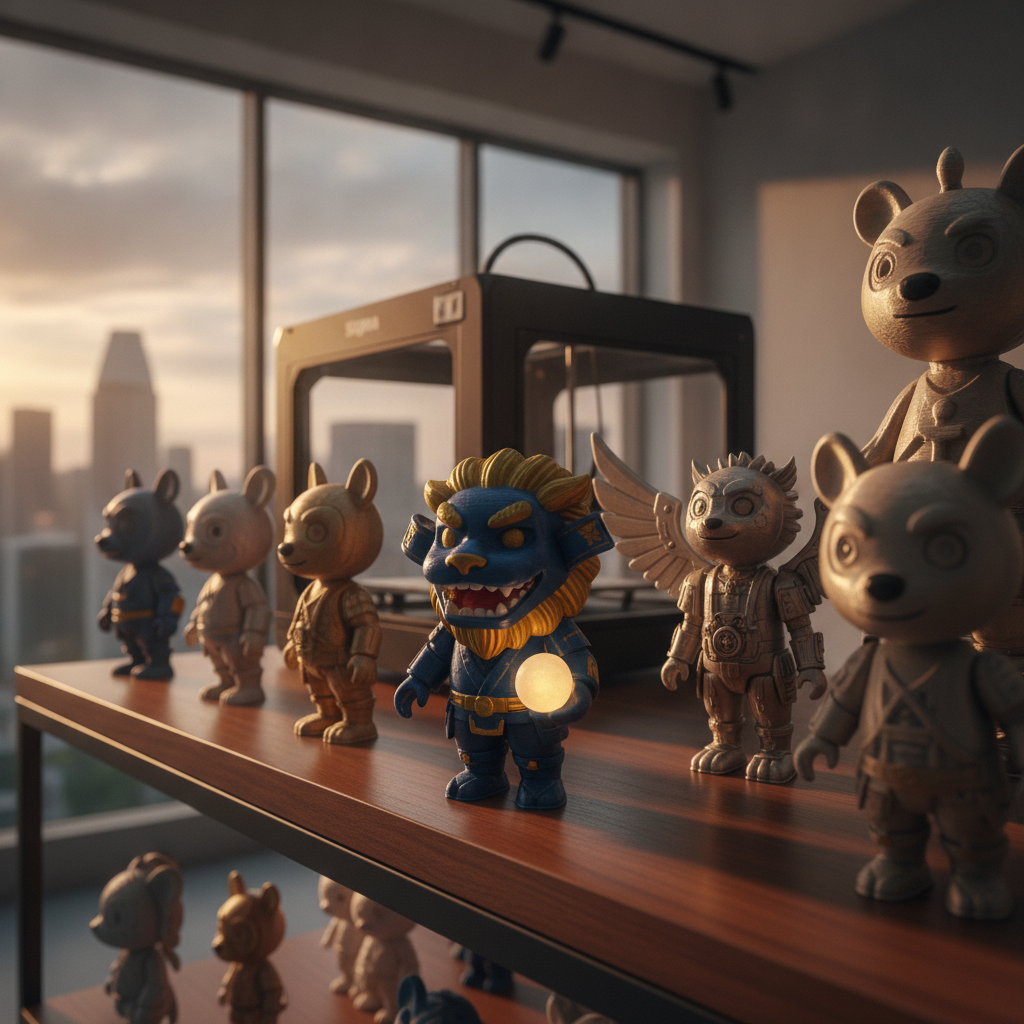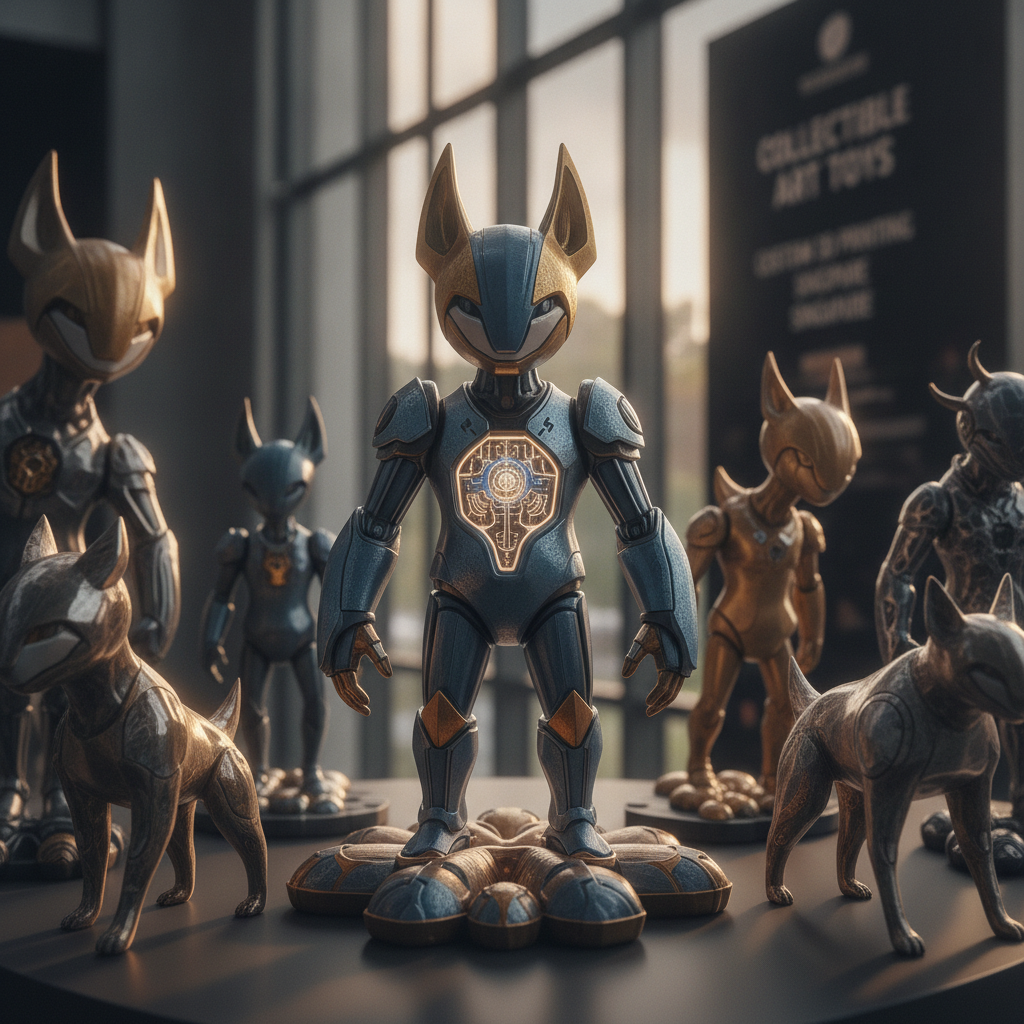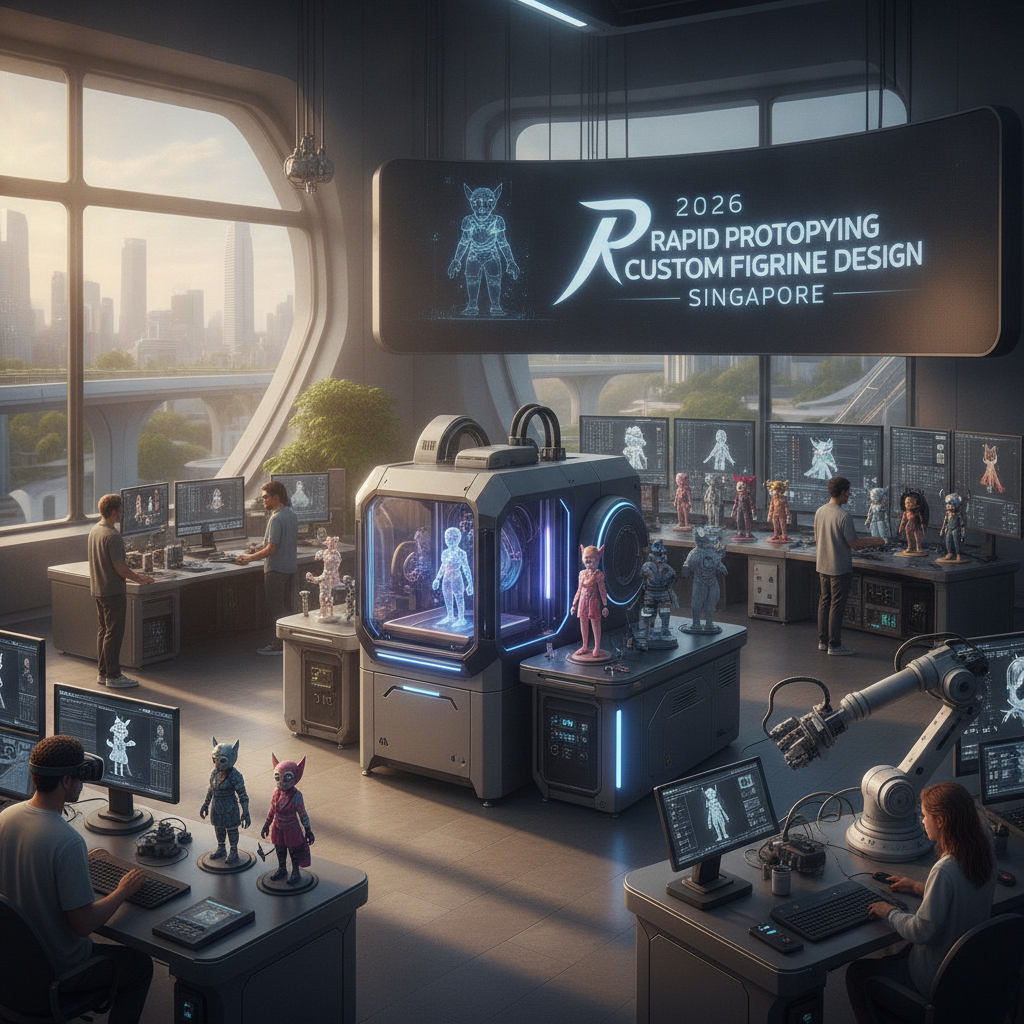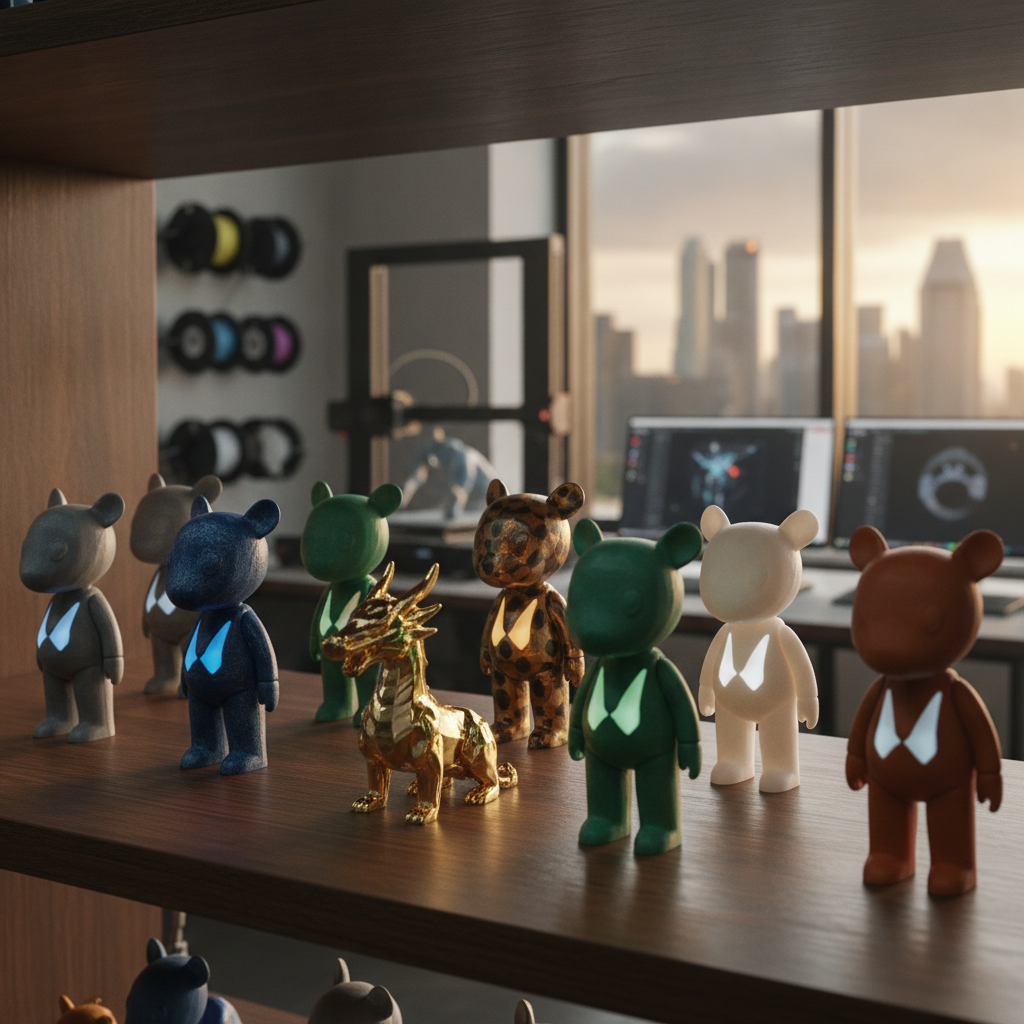

The intersection of CAD modeling and NFT-driven collectible art toys is reshaping how artists, brands and manufacturers create limited-edition physical collectibles. In 2026, creators in Singapore are uniquely positioned to combine advanced digital design workflows with local prototyping hubs and supply chain expertise to turn on-chain art into tangible, high-value pieces. Whether you’re exploring limited NFT mint drops tied to physical figures or building a series of collectible runs, CAD-driven processes streamline design, ensure production quality and protect the collectible’s artistic integrity.
Collectors and creators focused on physical/digital convergence should pay attention to how CAD modeling supports reproducibility, customization and the provenance that buyers expect from modern collectible art toys. For background on how Singapore supports this ecosystem, see coverage of collectible art toys in Singapore and custom figurines here: collectible art toys.
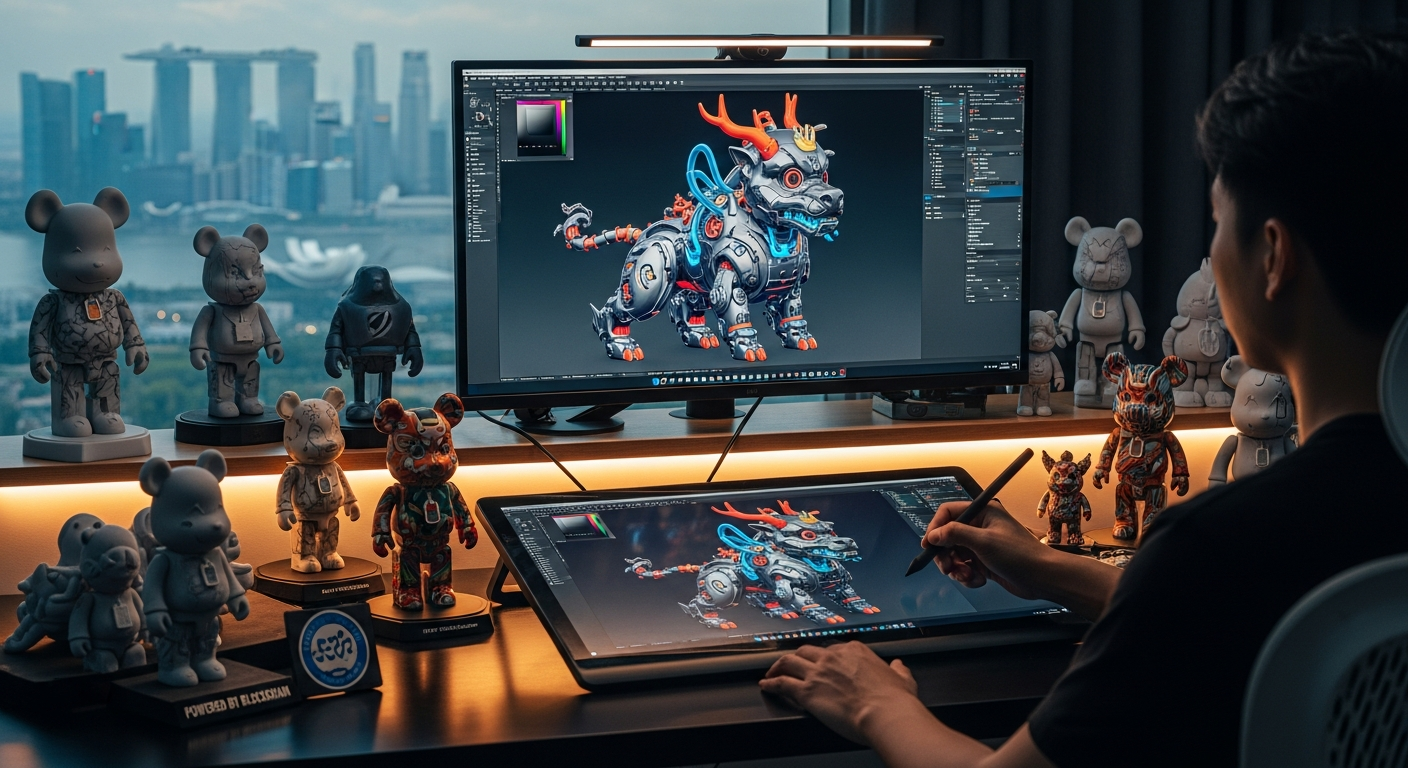
CAD modeling is the backbone of modern toy design. For collectible art toys, CAD delivers precision geometry, consistent articulation points, and repeatable wall thickness and tolerances—features critical for high-quality production and post-production finishing. CAD files also enable:
Designers who want to formalize their workflow benefit from dedicated guides on designing art toys with CAD modeling. Using CAD from the earliest sketch stage reduces iterations, speeds time-to-market and gives collectible runs a more consistent premium feel.
Singapore is an attractive hub for creators bringing NFT collectibles to life because of several local strengths: strong IP frameworks, proximity to advanced tooling, and a mature prototyping and finishing supply chain. The city-state’s network of small-batch manufacturers and 3D printing bureaus enables fast iteration cycles, which is essential when artists are coordinating timed NFT drops and physical fulfillment.
Local studios often pair digital design teams with finishing houses for painting, electroplating and soft-touch coatings—finishes that collectors expect. That combined capability makes Singapore a practical choice for artists and brands wanting high-quality, small-run collectible art toys with tight production timelines.
A reliable production pipeline moves from concept to on-chain asset and then to physical fulfillment. A typical workflow looks like this:
This pipeline keeps the CAD model as the single source of truth, which is key when issuing NFTs that correspond to specific physical pieces.
AI-driven CAD and generative workflows accelerated in 2024–2026, enabling rapid ideation and automated constraint-based design. Designers now use tools that propose structural modifications, optimize material usage, and generate stylized variations for editioned releases. See more on how AI is being applied to CAD in a Singapore context here: AI CAD modeling.
Other technology trends to watch:
These innovations make it easier to plan rarity tiers across NFT collections and the corresponding physical editions.
Fast prototyping remains crucial for design verification. FDM/FFF printers are excellent for quick fit-checks and articulation testing, while SLA and high-resolution resin systems capture sculpt detail for final approvals. For rapid iteration in Singapore, studios often use mixed processes: FDM for structural checks and SLA for appearance models.
Fast FDM workflows for quick-turn prototyping are widely used in Singapore’s maker ecosystem; read more about this approach here: fast FDM 3D printing for rapid prototyping.
For the final piece, many creators choose either small-batch urethane casting, low-volume injection molding, or direct high-resolution 3D printing followed by professional finishing. If you’re looking for tailored production services for art toys, options focusing on finishing quality and small runs are detailed here: best custom 3D printing for collectible art toys.
A collectible art toy tied to an NFT requires careful coordination between on-chain metadata and the physical artifact. Best practices include:
Designers should export CAD deliverables with version control and checksums so the production asset is auditable against the on-chain record.
Collectors increasingly value sustainable and high-quality materials. In 2026, brands that used recycled or plant-based resins, low-VOC coatings, and responsibly sourced metals stood out. Sustainable practices also help with storytelling—another lever for NFT projects seeking long-term collector loyalty.
Practical choices:
Sustainability should be planned from CAD stages (design for disassembly, minimized material use) to reduce unforeseen costs and environmental impact.
Singapore’s clear IP framework is helpful for creators transferring rights with NFT sales. Still, contracts must explicitly spell out what rights the NFT grants: display rights, commercial rights, or full transfer of IP. Designers should also:
Engaging a local IP attorney early in the design and launch phases helps avoid conflicts, particularly when working with manufacturers or co-collaborators.
By 2026, CAD modeling in Singapore has become a strategic advantage for artists and companies producing NFT-linked collectible art toys. The combination of advanced CAD workflows, AI-assisted design tools, fast prototyping capabilities, and a strong finishing supply chain enables creators to execute ambitious phygital projects with quality and speed. Thoughtful use of materials, rigorous provenance practices and clear legal frameworks will continue to separate short-lived hype from lasting collectible value.
For creators planning a collectible drop or brands refining small-batch production, integrating CAD from day one and leveraging local prototyping partners will shorten development cycles and improve final quality—creating collectible art toys that resonate with both digital-native and traditional collectors alike.