
Singapore’s design scene is evolving fast: designers and brands are pushing for shorter product cycles, higher customization, and more sustainable production. At the center of this shift is FDM 3D printing — an accessible, cost-effective technology that is reshaping lifestyle product design in Singapore. Whether you’re developing home accessories, wearable concepts, or collectible art toys, FDM opens practical pathways from concept to market-ready product.
This article explores how FDM 3D printing Singapore integrates with lifestyle product design: materials, design-for-manufacture tips, finishing options, cost and sustainability insights, and where to access on-demand services locally.
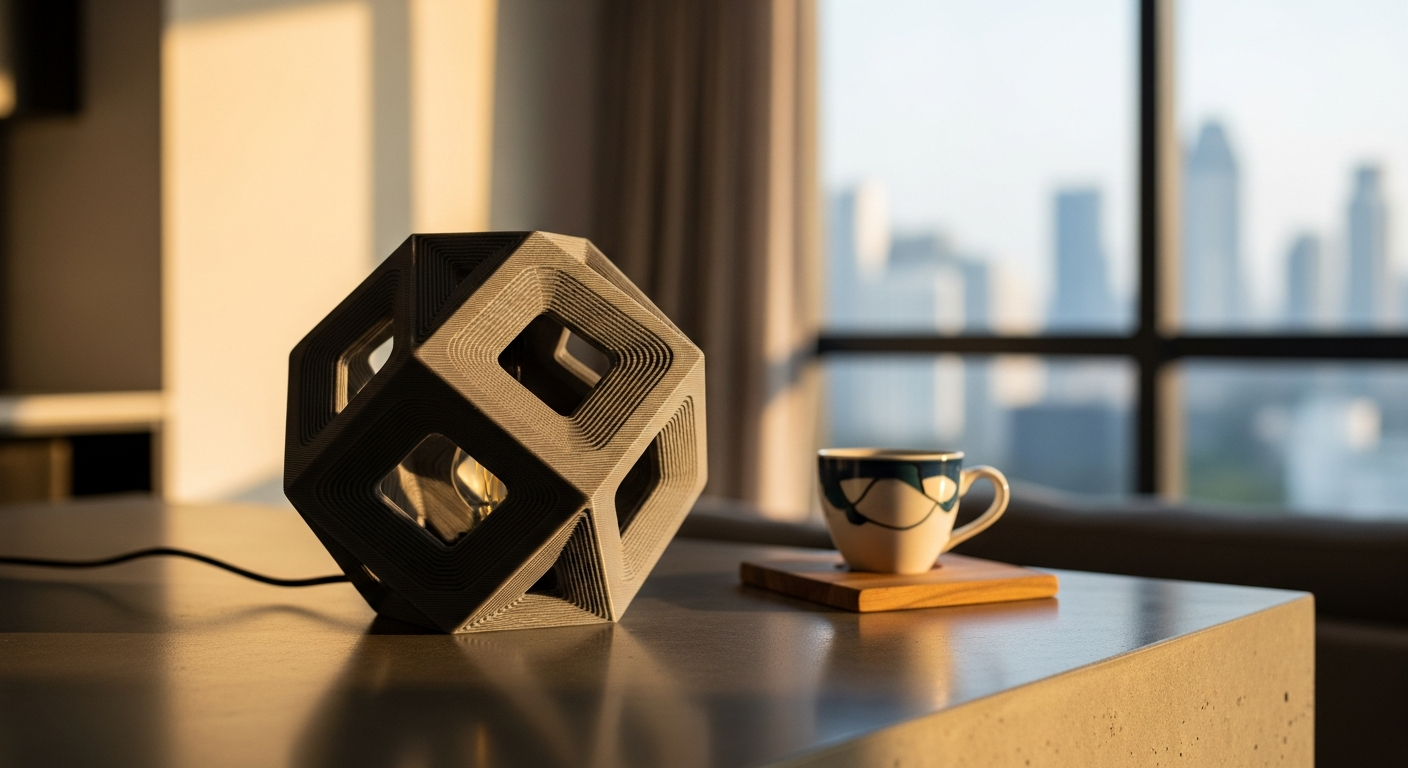
Fused Deposition Modeling (FDM) is ideal for lifestyle products because it balances affordability, speed, and material variety. In Singapore’s dense ecosystem — where startups, designers, and small-batch manufacturers coexist — FDM enables:
FDM 3D printing Singapore is particularly useful for lifestyle brands that need tactile validation — the kind of hands-on feedback you can’t get from renderings alone.
Material choice affects aesthetics, tactile feel, durability and post-processing.
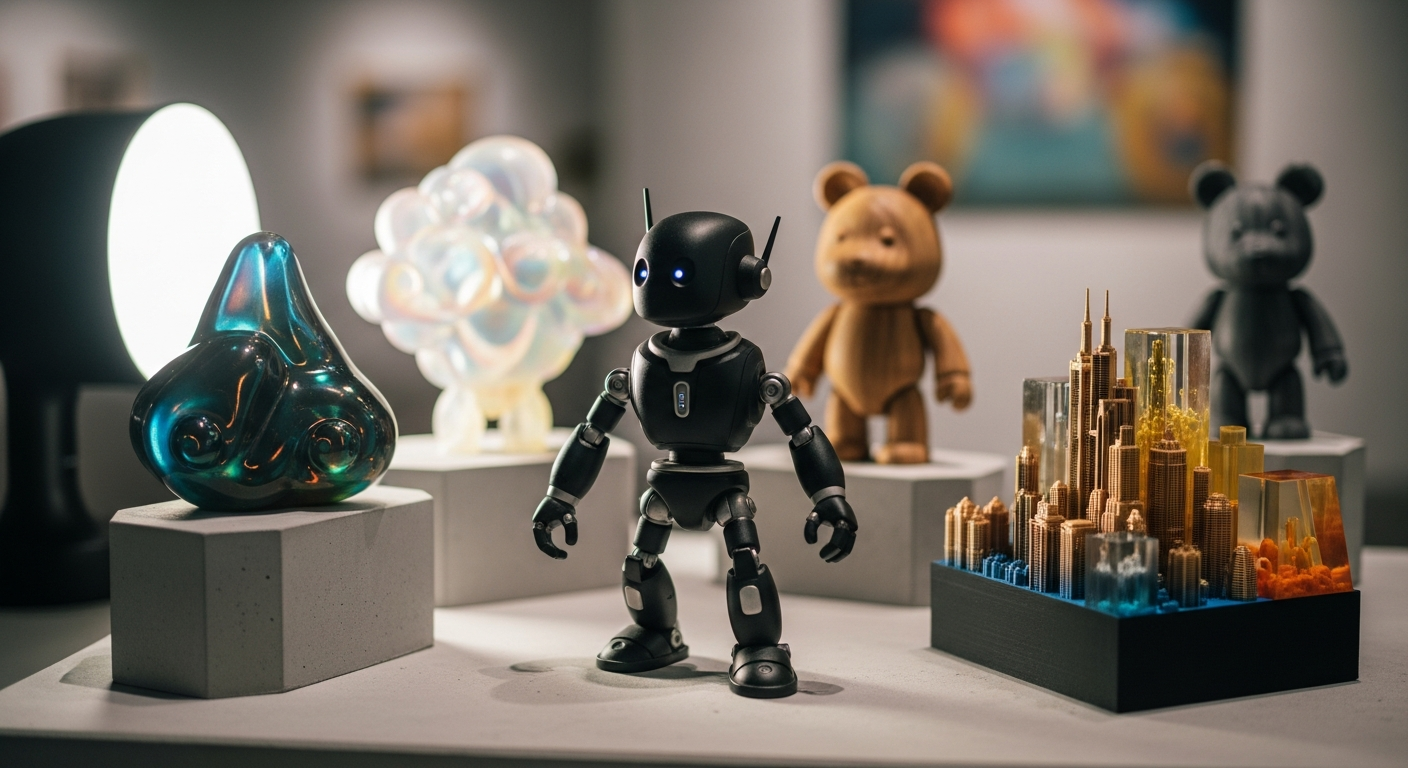
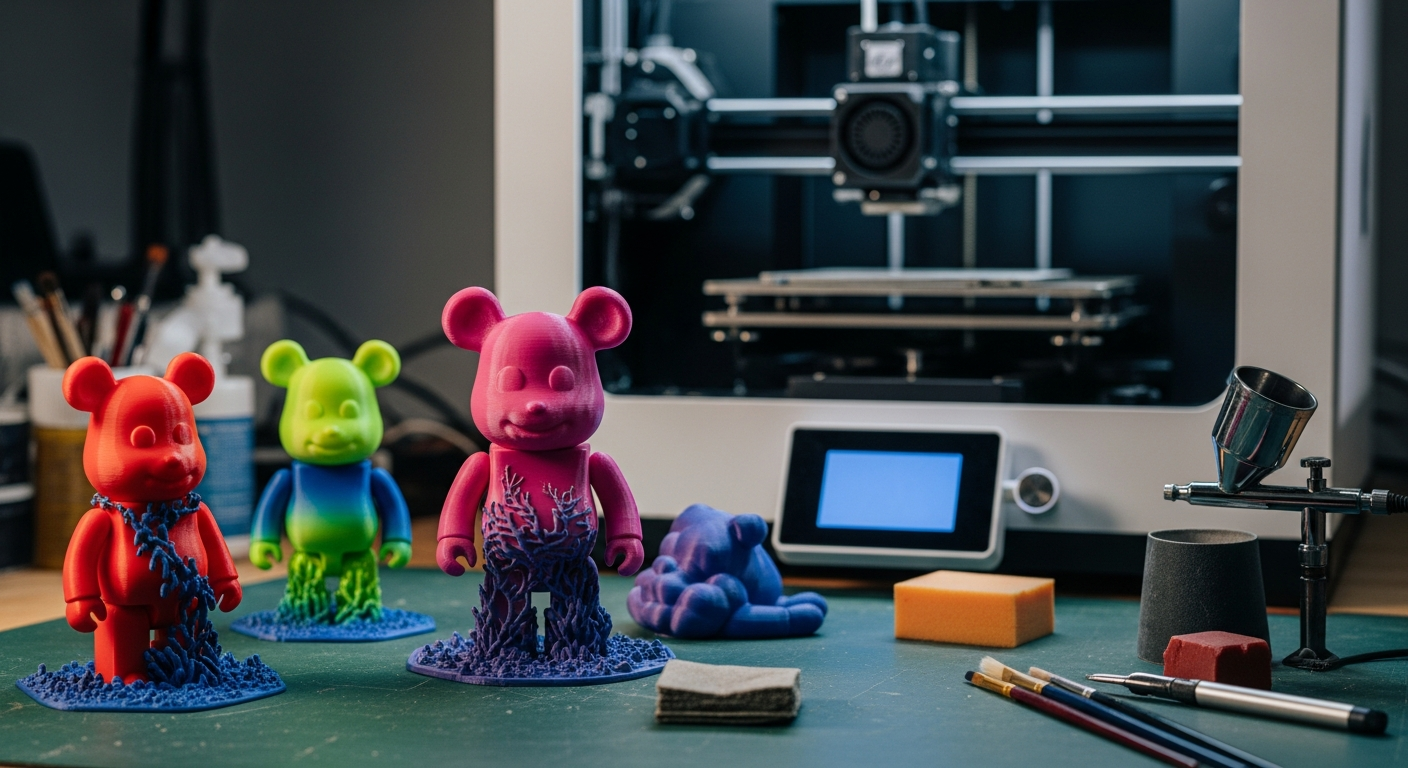
Finishing methods transform a raw FDM surface into a polished lifestyle product:
Designing with FDM in mind reduces print failures, improves aesthetics, and simplifies post-processing. Key considerations:
These practices are central to successful lifestyle product design Singapore teams are adopting to speed up acceptance testing and consumer feedback loops.
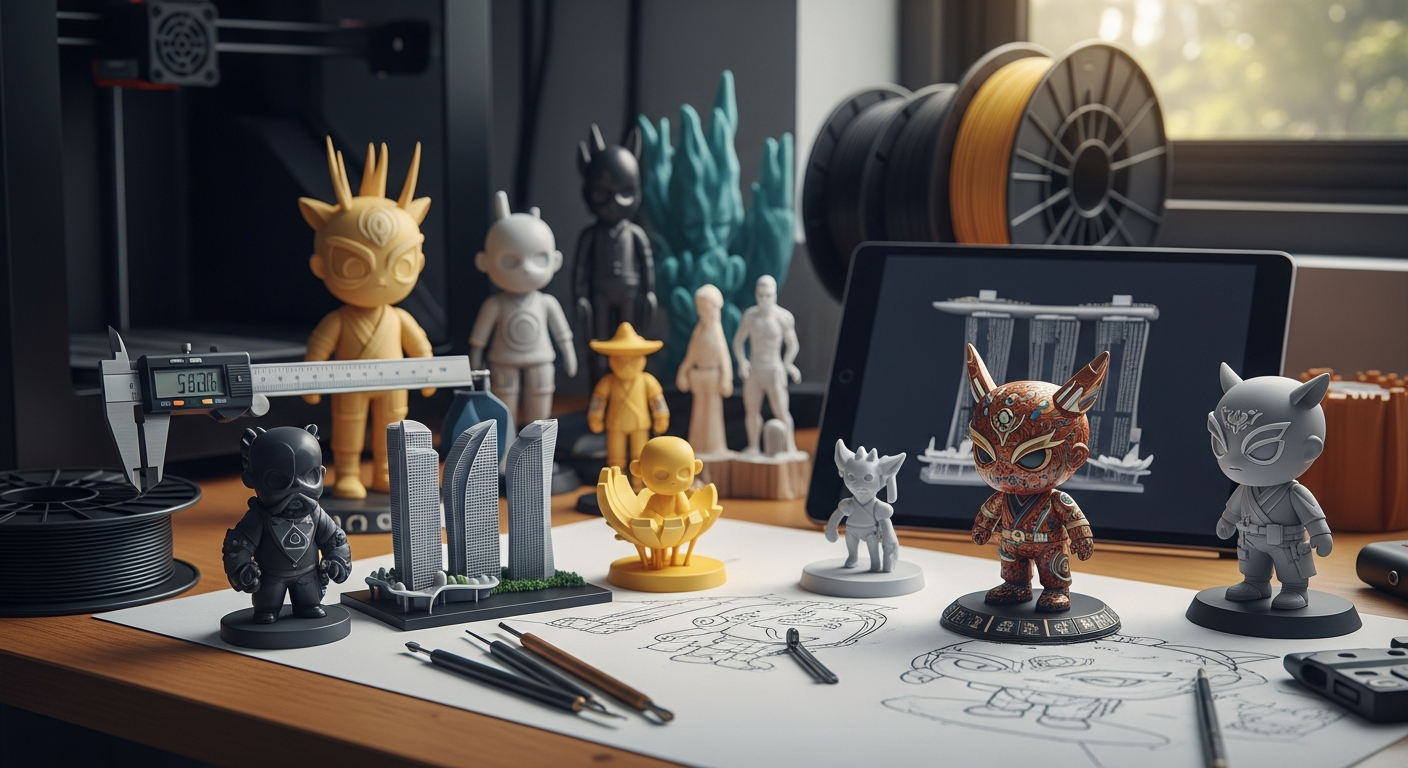
A practical FDM workflow for lifestyle product design typically follows these stages:
For designers who prefer to outsource printing, local on-demand services provide a quick turn: upload your STL, specify materials/finish, and get parts within days. One reliable option is the on-demand custom 3D printing service that supports lifestyle design prototypes and short runs: https://artsoustudio.com/on-demand-custom-3d-printing-singapore-for-lifestyle-design/.
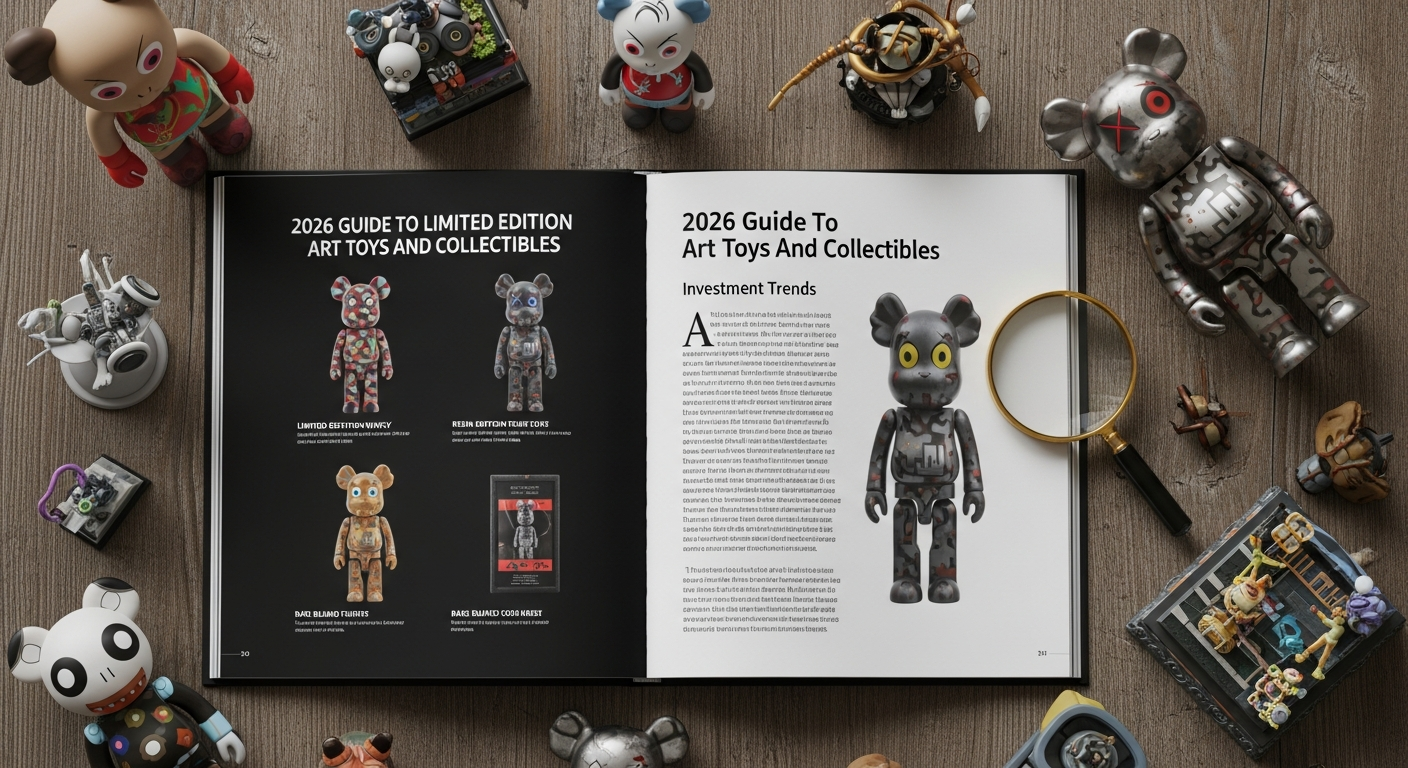
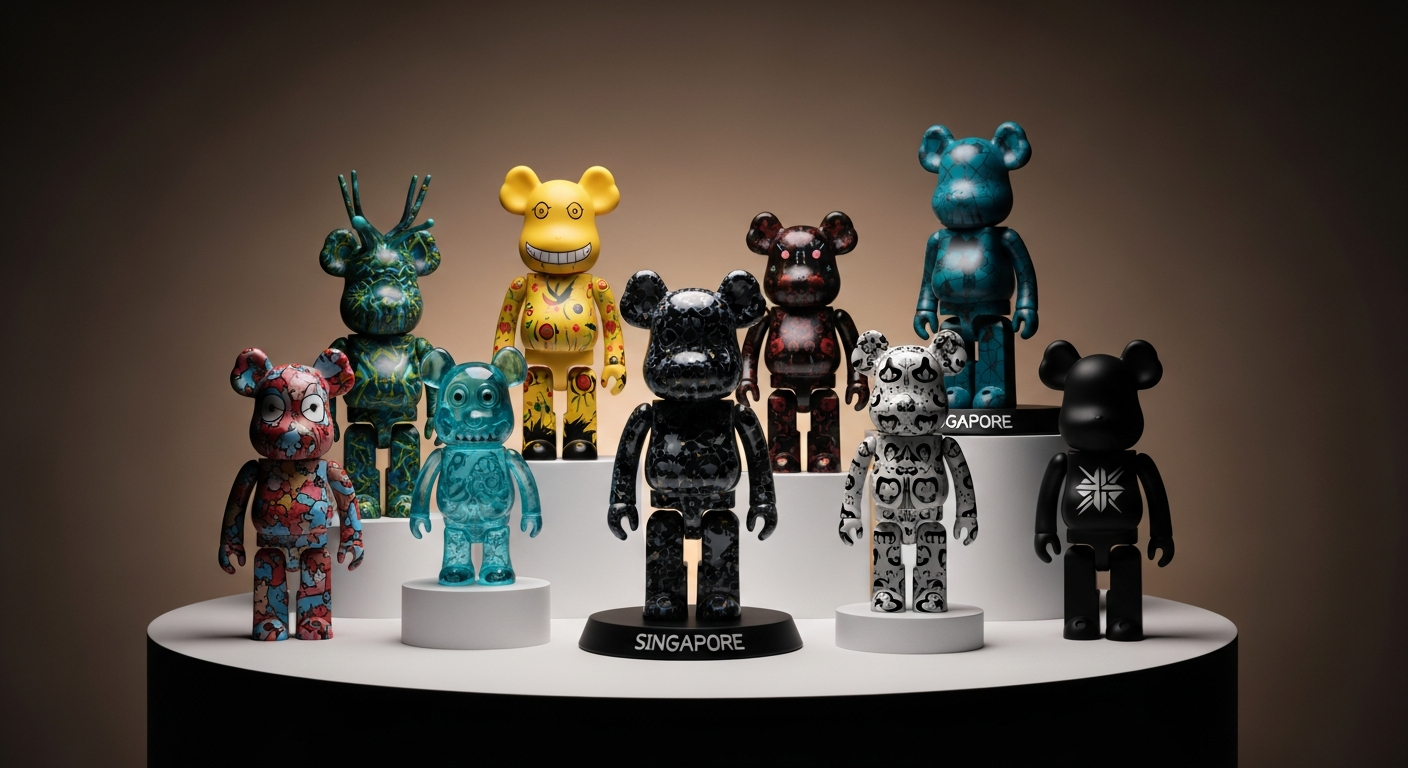
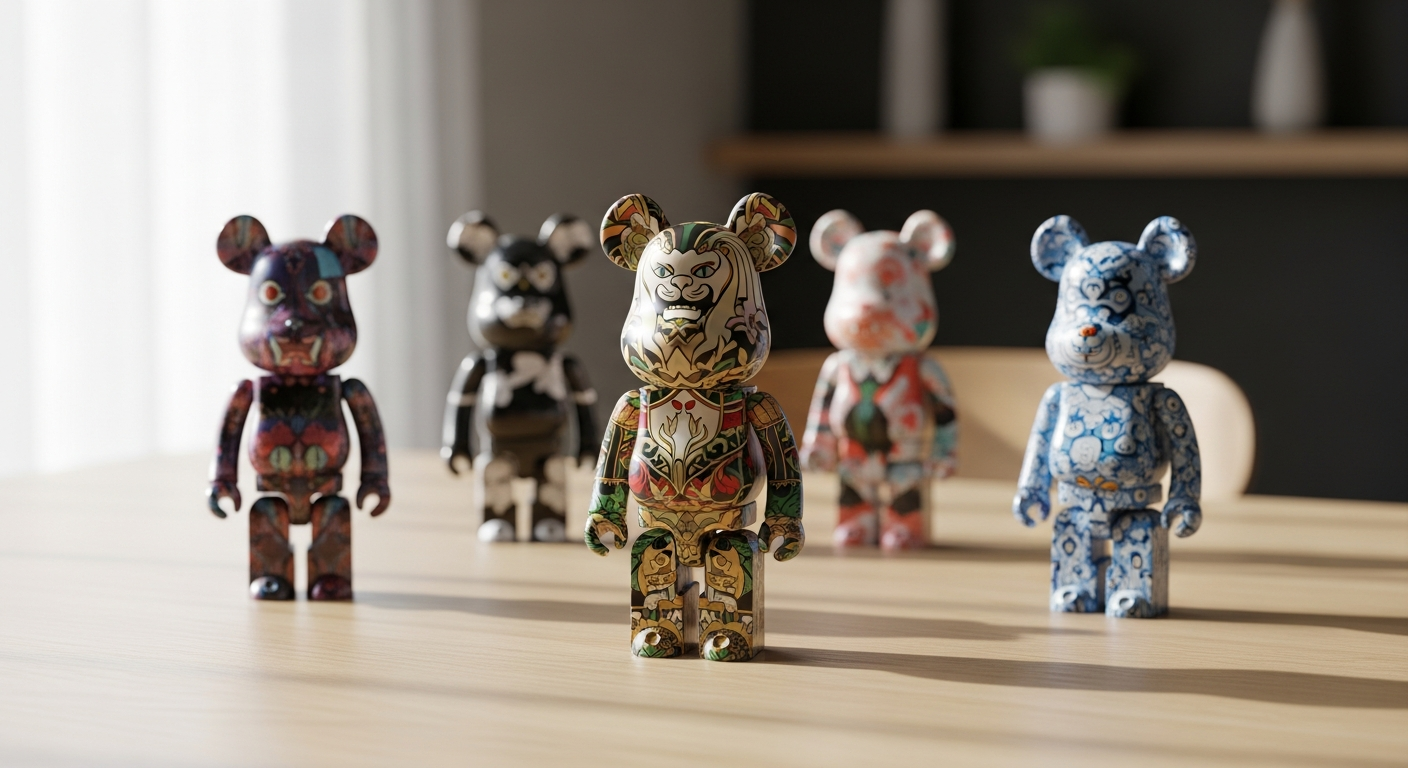
Art toys and collectible lifestyle items are a great example of how FDM can be leveraged for creative, limited-edition runs. Designers often use FDM for concept models and functional prototypes before switching to SLA or injection molding for ultra-smooth final pieces — but many independent creators now embrace FDM combined with heavy post-processing to achieve collectible-grade finishes.
Resources that spotlight collector-oriented workflows include where to buy art toys and limited editions, helping creators understand market channels and finishing standards: https://artsoustudio.com/where-to-buy-art-toys-and-limited-edition-art-toys-2026/.
For personalized figurines and character-driven lifestyle products, customized FDM prototyping ties directly into personalization strategies. Designers can produce unique variations quickly and test market interest before committing to larger investments: https://artsoustudio.com/custom-3d-printing-singapore-for-personalized-figurines-2026/.
Collectors and independent brands benefit from rapid prototyping that allows small runs with distinct finishes and numbering. Local studios offer tailored services for fans and creators alike, including small batch finishing and serialized production: https://artsoustudio.com/art-toys-rapid-prototyping-singapore-for-collectors-2026/.
Limited runs that use FDM with careful finishing can command premium pricing if the design and surface treatment are carefully executed. For creators planning limited editions, consider leveraging studios that specialize in both printing and finishing to maintain consistency across units: https://artsoustudio.com/limited-edition-art-toys-3d-rapid-prototyping-singapore/.
FDM shines for short lead times and low upfront cost, but be realistic about what FDM can deliver versus other processes:
Budgeting tip: allocate 20–40% of the prototyping budget to post-processing if product aesthetics are core to value.
Sustainability is a growing trend in Singapore’s lifestyle product design community. FDM facilitates lower-waste prototyping compared to subtractive methods, but material choice matters:
Studios in Singapore increasingly offer recycled filament options and guidance on sustainable design choices that align with brand values.
Singapore has a growing roster of studios and service providers that specialize in lifestyle product design and FDM printing. When selecting a partner, evaluate:
For designers seeking reliable on-demand support, explore local studios that combine printing with specialized finishing and product-level guidance: https://artsoustudio.com/on-demand-custom-3d-printing-singapore-for-lifestyle-design/.
FDM 3D printing Singapore is a practical, versatile tool for lifestyle product design. It accelerates iteration, enables economical small-batch production, and supports a wide range of materials and finishes that designers need to validate form, fit and function. By following DFM guidelines, choosing appropriate materials, and partnering with local on-demand services, designers in Singapore can move faster from idea to market-ready lifestyle products while keeping sustainability and brand quality front of mind.
Explore dedicated resources and service providers to match your design needs and production scale, and integrate FDM where it delivers the most value in your product development pipeline.