Introduction
Bringing a limited edition art toy from sketch to shelf in 2026 demands speed, precision and an eye for collectibility. Artists and small studios are no longer dependent on long lead-time tooling and large minimum orders. Advances in rapid prototyping singapore let creators iterate designs quickly, validate finishes and produce small runs that preserve scarcity and value.
This article walks through practical steps to use rapid prototyping in Singapore to develop limited edition art toys that stand out: choosing the right methods, designing for collectibility, testing, and launching with efficient small-batch production strategies.
Why rapid prototyping matters for limited edition art toys
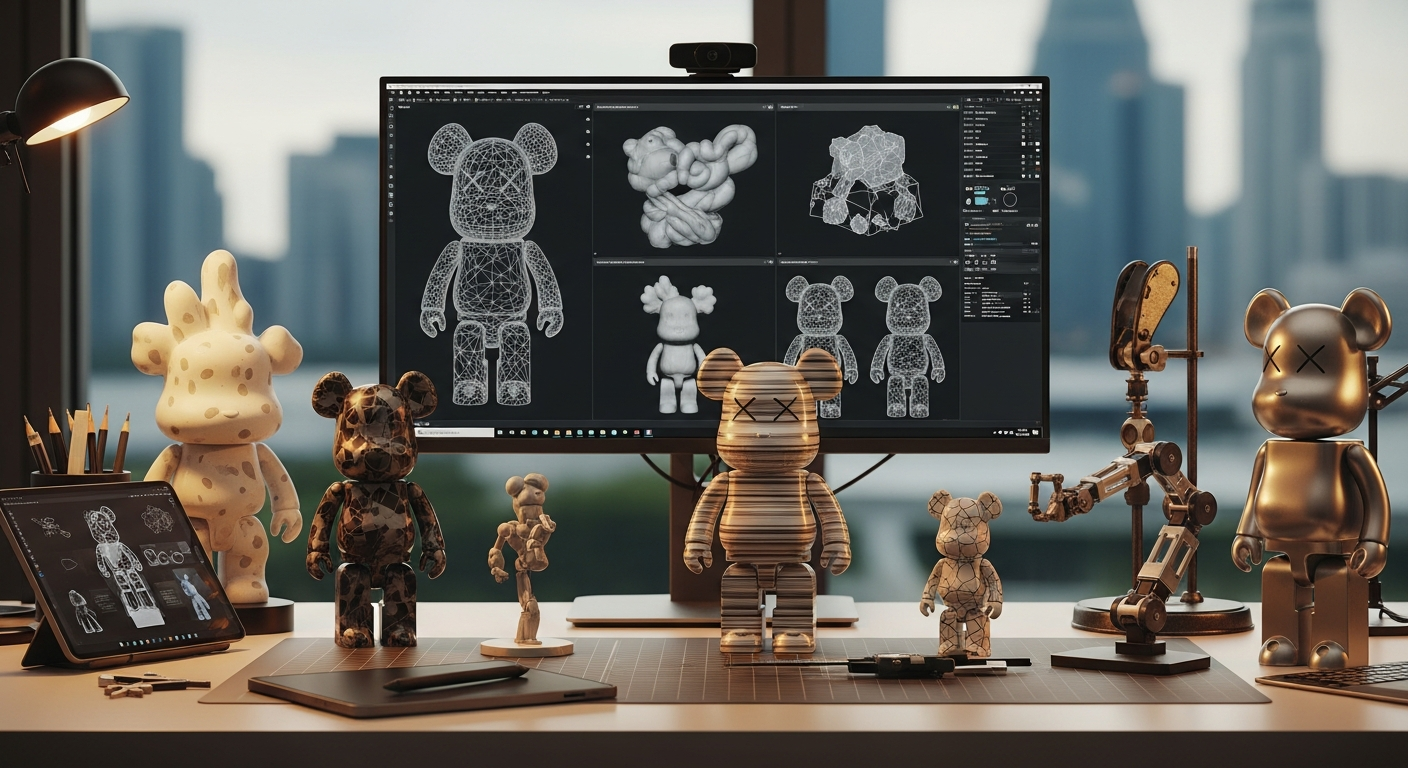
Rapid prototyping shortens the feedback loop between idea and physical object. For limited edition art toys, that speed translates into:
- Faster design validation: physical prototypes reveal proportion, balance and ergonomics that sketches and renders can miss.
- Better surface and finish trials: you can test paints, surface textures and coatings at prototype stage.
- Reduced financial risk: iterate cheaply before committing to short-run production.
- True small-batch readiness: prototypes inform whether you should go direct-to-manufacture or produce micro-editions.
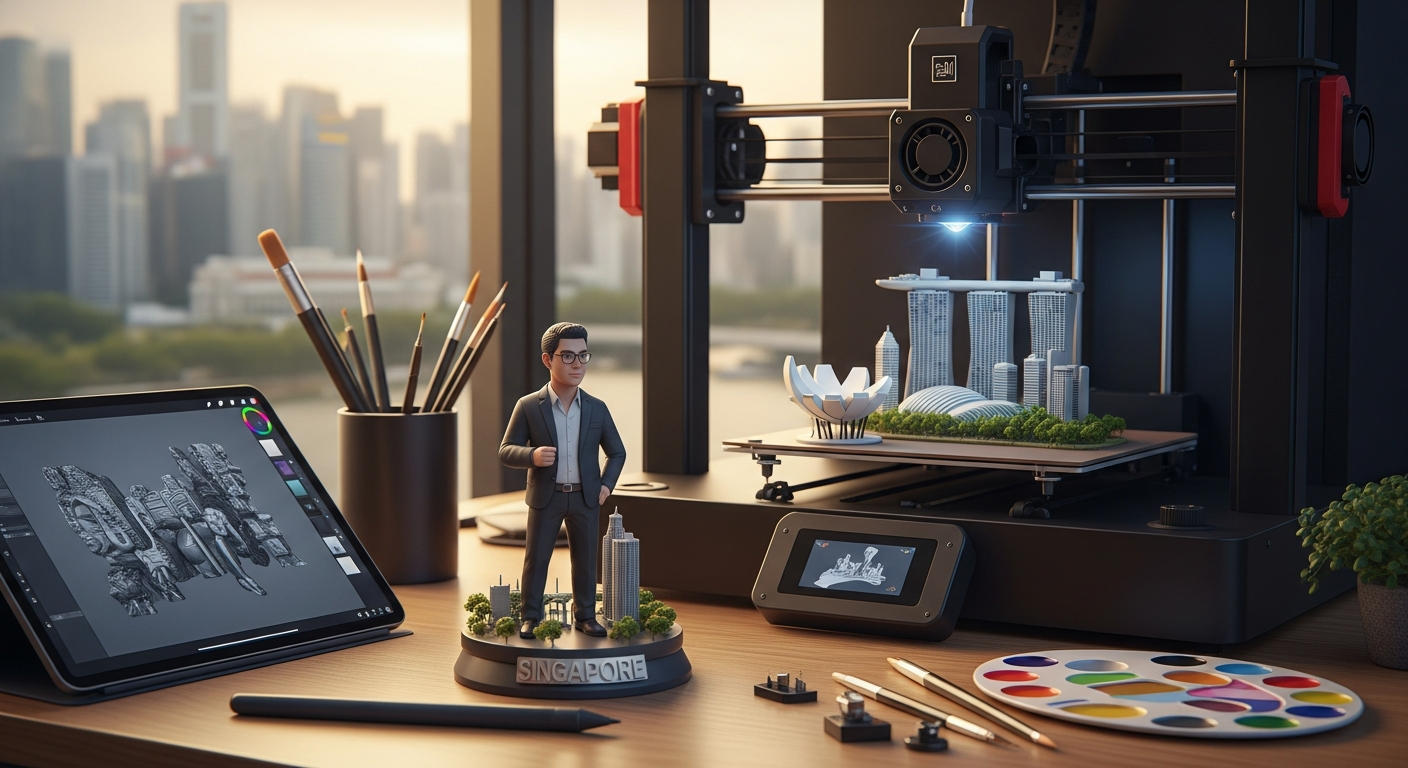
For creators in Southeast Asia, local services make a difference. Leveraging dedicated facilities focused on collectibles simplifies logistics and keeps lead times short; for a Singapore-based workflow focused on collectibles, explore resources on rapid prototyping Singapore for limited edition art toys to understand available technical capabilities and lead times.
Choosing the right prototyping methods
Not every prototyping technology fits every collectible. Choose based on detail, speed, durability and finish options.
- Stereolithography (SLA) — Highest detail and smooth surface quality. Ideal for sculpted faces, intricate textures and parts that need clean paint finishes. SLA parts can be sanded and primed for production-like finishes.
- Resin 3D printing (DLP/MSLA) — Fast and highly detailed for small runs of character pieces and accessory components.
- Selective Laser Sintering (SLS) — Strong, durable parts suitable for functional pieces or toys that require toughness and slight flexibility.
- Fused Deposition Modeling (FDM) — Useful for quick form studies, color-coded prototypes and proofs of function; not generally final-finish quality but excellent for rapid iteration.
- CNC machining — Best for rigid materials and metallic elements, such as bases or limited metal editions.
- Urethane casting and silicone molds — After a master prototype is validated, urethane casting enables short runs of high-quality parts with consistent finish.
For Singapore designers looking for the best mix of speed and finish, consider partnering with local custom 3D printing specialists who can advise which process matches your visual and tactile needs; the Top Singapore custom 3D printing offerings for lifestyle design explain how to combine services for high-quality collectible outputs.
Design for collectibility: aesthetics, rarity and utility
Limited edition art toys sell on emotion and scarcity. Design decisions early in the prototyping phase shape perceived value.
- Narrative and character: ensure your character’s story is clear in silhouette and expression. A quick physical prototype reveals whether gestures and poses read well at different scales.
- Variant strategy: plan colorways, chase variants, and numbered runs. Prototyping helps test how finishes and metallic paints appear under show lighting and in photography.
- Materials and finishes: test gloss, matte, metallic and pearlescent paints on real prototypes. Certain paints behave differently on SLA vs urethane cast parts; prototypes remove guesswork.
- Packaging and certificates: limited editions need packaging that protects and excites. Prototype mock-ups let you assess fit, dielines and unboxing experience.
- Authentication: consider serial numbering, artist signatures or embedded NFC tags. Prototype samples allow testing of placement and durability.
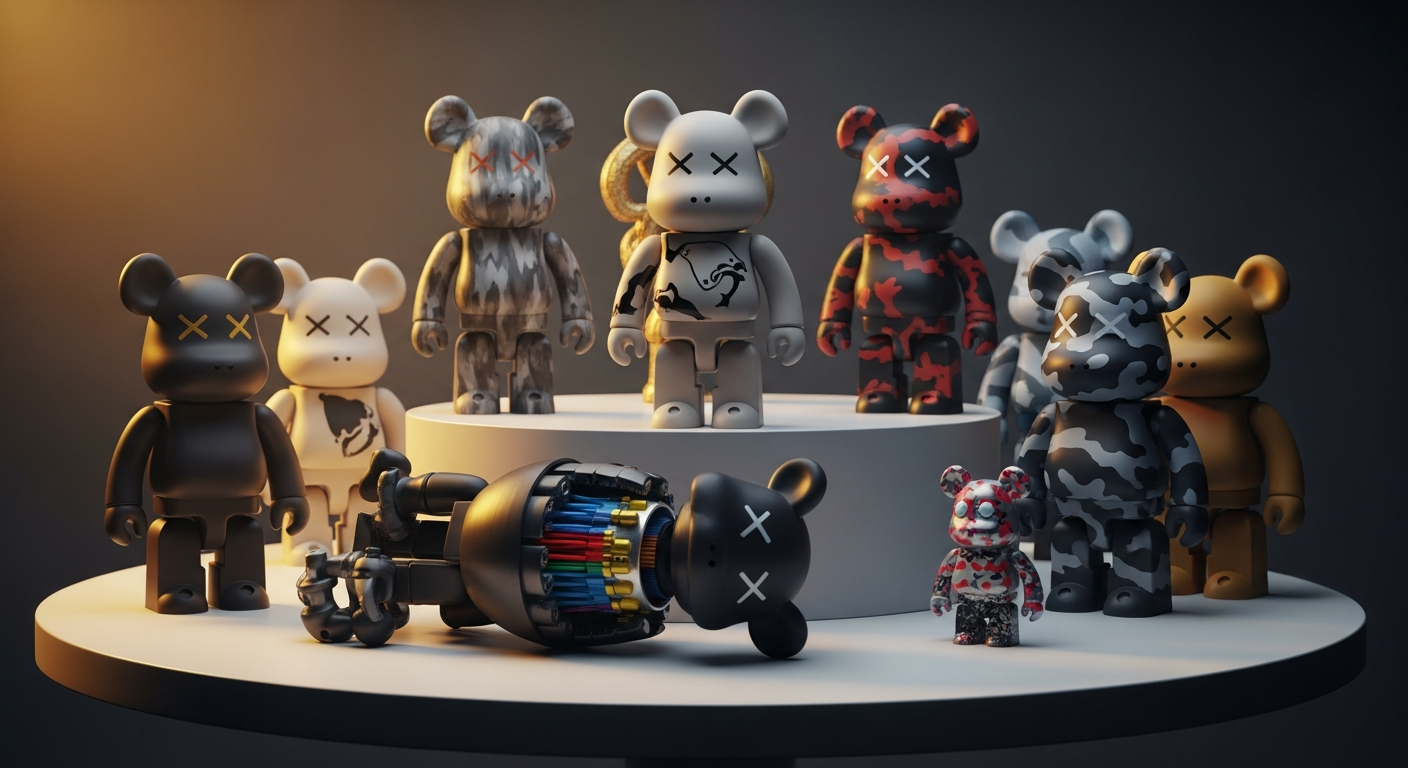
When preparing to communicate new drops, coordinating design and production early avoids last-minute compromises. For inspiration and examples of what collectors crave, check limited edition art toys new releases 2026 to see trends in finish, scale and release strategies.
Rapid iteration and pre-production testing
Iterative prototyping is the core advantage of rapid workflows. A practical iteration plan looks like this:
- Blockout prototype — Large-scale, low-detail proof to verify silhouette and scale.
- Detail proto — High-resolution print to check facial detail, textures and ornamentation.
- Fit & function proto — Test joints, snap-fits, and moving parts on final materials.
- Finish proto — Fully painted and assembled sample used for photos, approvals and packaging fit.
Key tests to run on prototypes:
- Paint adhesion and durability: rub and abrasion tests simulate handling by collectors.
- Joint stress tests: ensure limbs or removable parts survive repeated assembly.
- Balance and stability: check stands and bases under different surfaces.
- Urgent visual checks: inspect for visible layer lines, seam locations and sink marks.
Prototyping in Singapore offers the advantage of iterative same-week turns with many local shops; a fast local loop accelerates decision-making and keeps product schedules tight. For studios focused on lifestyle and collectible aesthetics, collaborative product design services can bridge artistic intent with manufacturability—see limited edition art toys Singapore lifestyle product design for workflows that align aesthetics with production realities.
Transitioning from prototype to small-batch production
Once prototypes are approved, choose a production path that respects the limited nature of the drop.
- Low-volume tooling: bridge tooling or soft tooling (aluminum molds or silicone molds with urethane casting) is cost-effective for runs of 50–1,000 pieces.
- Digital manufacturing: for very limited runs, direct digital production (SLA or high-resolution resin printing) can produce end-use pieces with minimal setup.
- Hybrid approach: use 3D-printed masters for mold making, then urethane casting for consistent surface and paintability.
Logistics to plan for small runs:
- Inventory control: number your runs and plan holdback pieces for quality checks.
- Quality assurance: spot-check each batch for paint consistency and assembly tolerances.
- Packaging and fulfillment: include protective inserts and consider fulfillment partners used to handling collectibles.
If you want examples of studios that balance craft and production for small-run collectibles, review curated lists of the best limited edition art toys and collectibles 2026 to benchmark pricing, edition sizes and presentation.
Marketing and launch tactics for limited editions
A strategic launch maximizes demand while protecting brand integrity.
- Controlled drops: release in waves or with preapproved collectors to keep scarcity.
- Collector tiers: offer artist-signed or numbered variants at higher price points.
- Story-led content: show the prototyping process—early sculpts, painted prototypes and tooling—so collectors feel part of the creation.
- Collaboration: partner with local galleries, designers or influencers to access niche collector groups.
- Limited-time or limited-quantity: use a clear edition size and stick to it. Consistency builds long-term trust.
Test prototypes make great content: behind-the-scenes images and videos of the prototyping and finishing stages increase perceived value and create urgency among collectors.
Costs, timelines and practical considerations
Budget and scheduling depend on technology and complexity:
- Prototype costs: high-detail SLA masters are more expensive than FDM proofs but pay off in finish and paintability.
- Lead times: local rapid prototyping Singapore shops can deliver multiple iterations within days; overseas tooling will multiply lead times.
- Unit economics: calculate per-unit cost at multiple batch sizes and account for finishing and packaging.
- Regulatory and safety: if the toy is functional or aimed at children, adhere to safety and material regulations. For art collectibles targeted at adults, material safety and labeling still matter for shipping and customs.
Transparent cost modeling during prototyping saves surprises when scaling to production.
Tools and partners to accelerate success
Work with partners who understand collectible toys and have relevant technology:
- Local 3D printing studios: for fast iterations and finish expertise.
- Paint and finishing specialists: consistent paintwork is often the difference between a good toy and a collectible.
- Mold makers experienced with urethane casting and soft tooling.
- Packaging designers who can prototype dielines and box inserts.
If you’re building a Singapore-based pipeline, researching specialized providers helps. For an overview of local capabilities and services tailored for art toys, check resources that focus on rapid prototyping Singapore for limited edition art toys and complementary lifestyle product design services.
Case study snapshot (hypothetical)
A small Tokyo-based artist wanted a 300-piece limited run. Timeline and approach:
- Week 1–2: Concept sketches and blockout FDM prototypes for scale approvals.
- Week 3: High-detail SLA master produced in Singapore and reviewed for sculpt fidelity.
- Week 4: Paint trials on the SLA master to finalize colorways and gloss levels.
- Week 5–6: Silicone molds created from the SLA master; urethane casting for 300 pieces.
- Week 7: Final painting, assembly, serial numbering and packaging.
Result: A controlled limited edition with consistent finish, created affordably through mixed rapid prototype and casting techniques.
Final considerations
The collectible toy market rewards quality, story and scarcity. Rapid prototyping Singapore unlocks the speed and fidelity needed to iterate confidently, test finishes and launch limited edition art toys that feel premium to collectors. By choosing the right mix of technologies, testing prototypes thoroughly and planning small-batch production and launch carefully, creators can preserve value while accelerating time-to-market.
Use iterative prototyping, trusted local partners and thoughtful edition strategies to ensure your 2026 drops are memorable, collectible and executed with craft and precision.
For quick access to examples and service partners, review curated resources like the best limited edition art toys and collectibles 2026 and explore emerging releases and prototyping services as you plan your next collection.