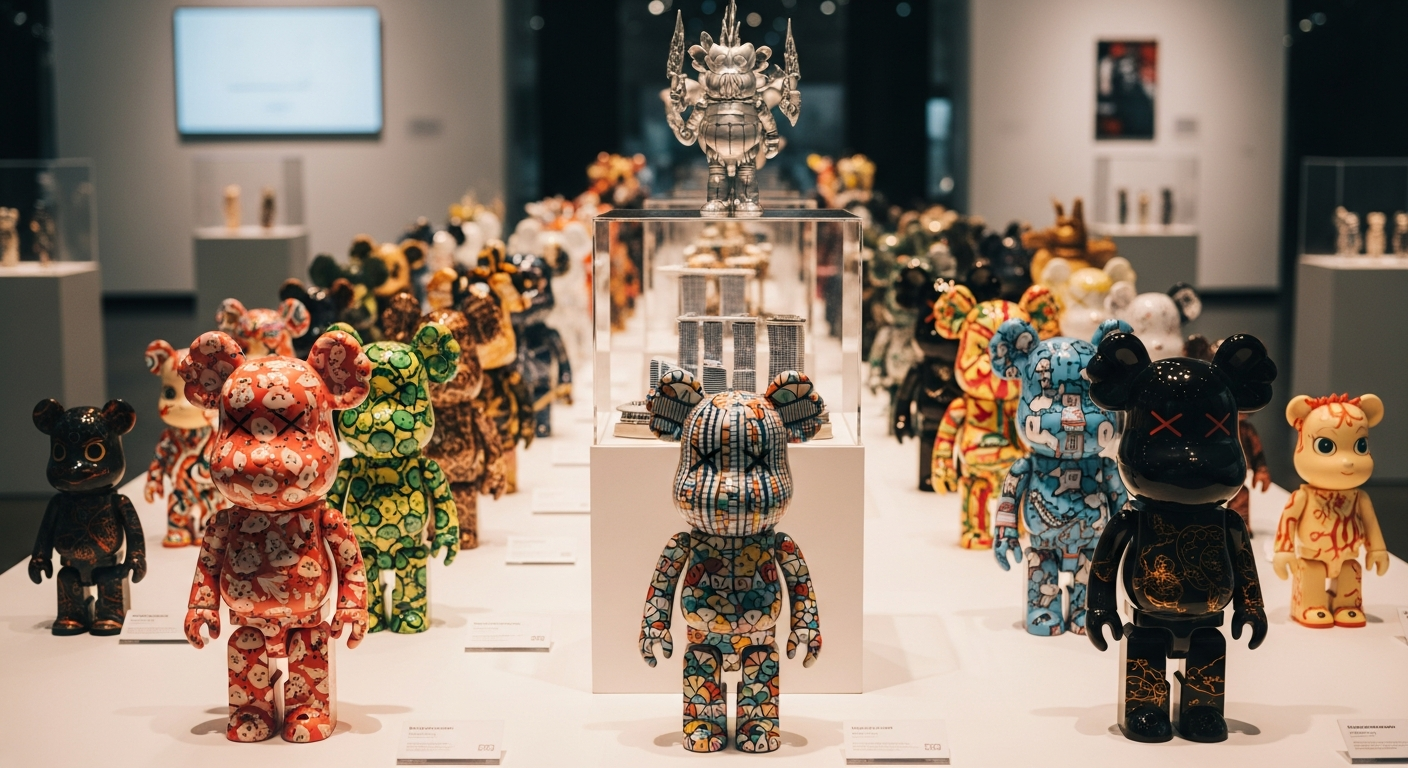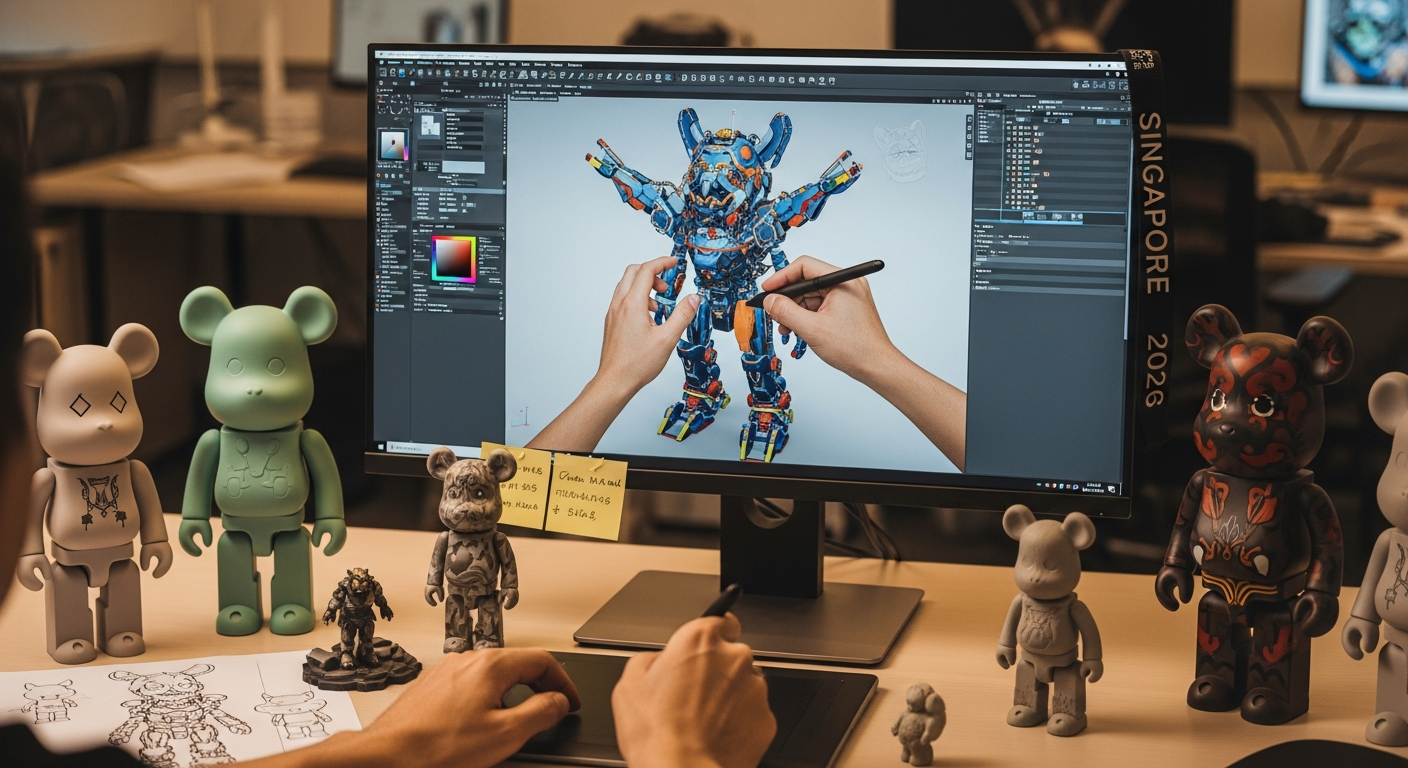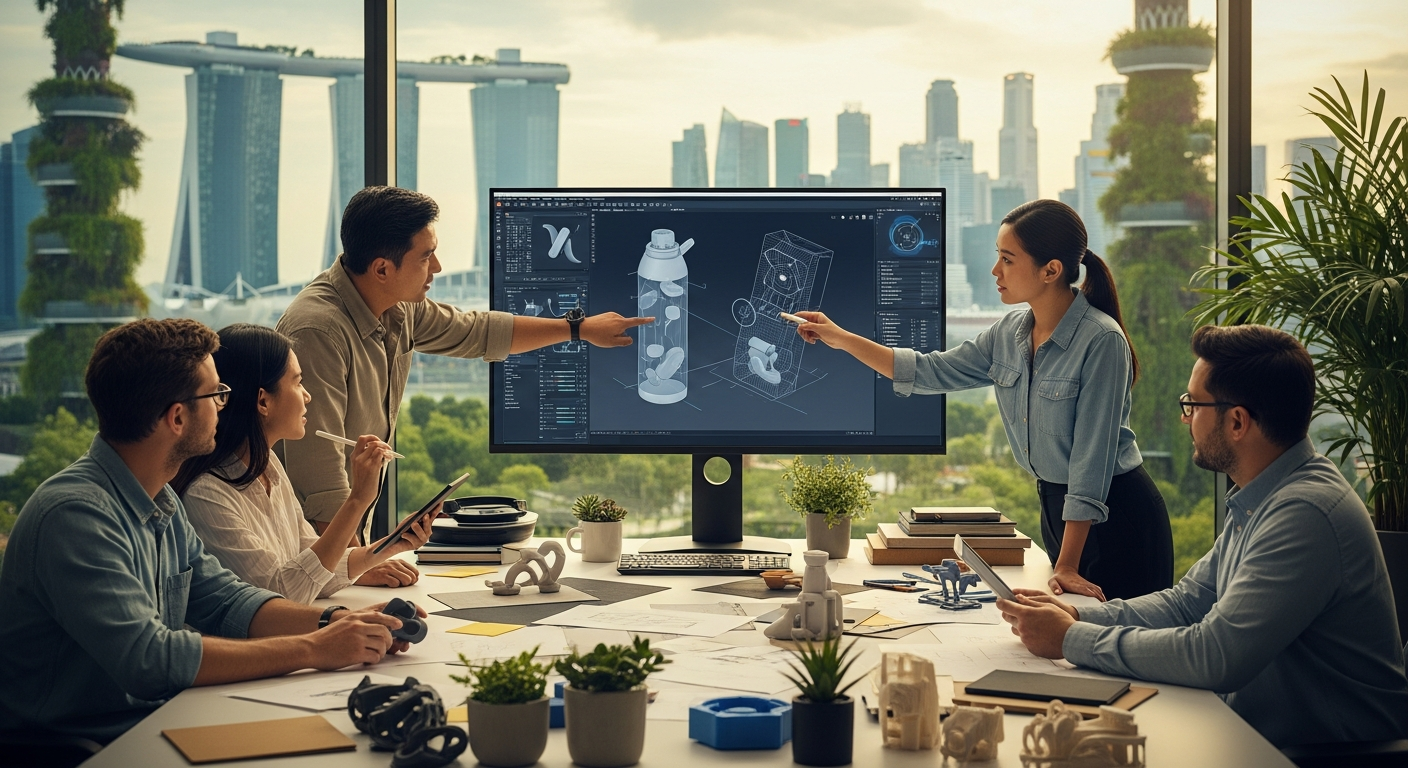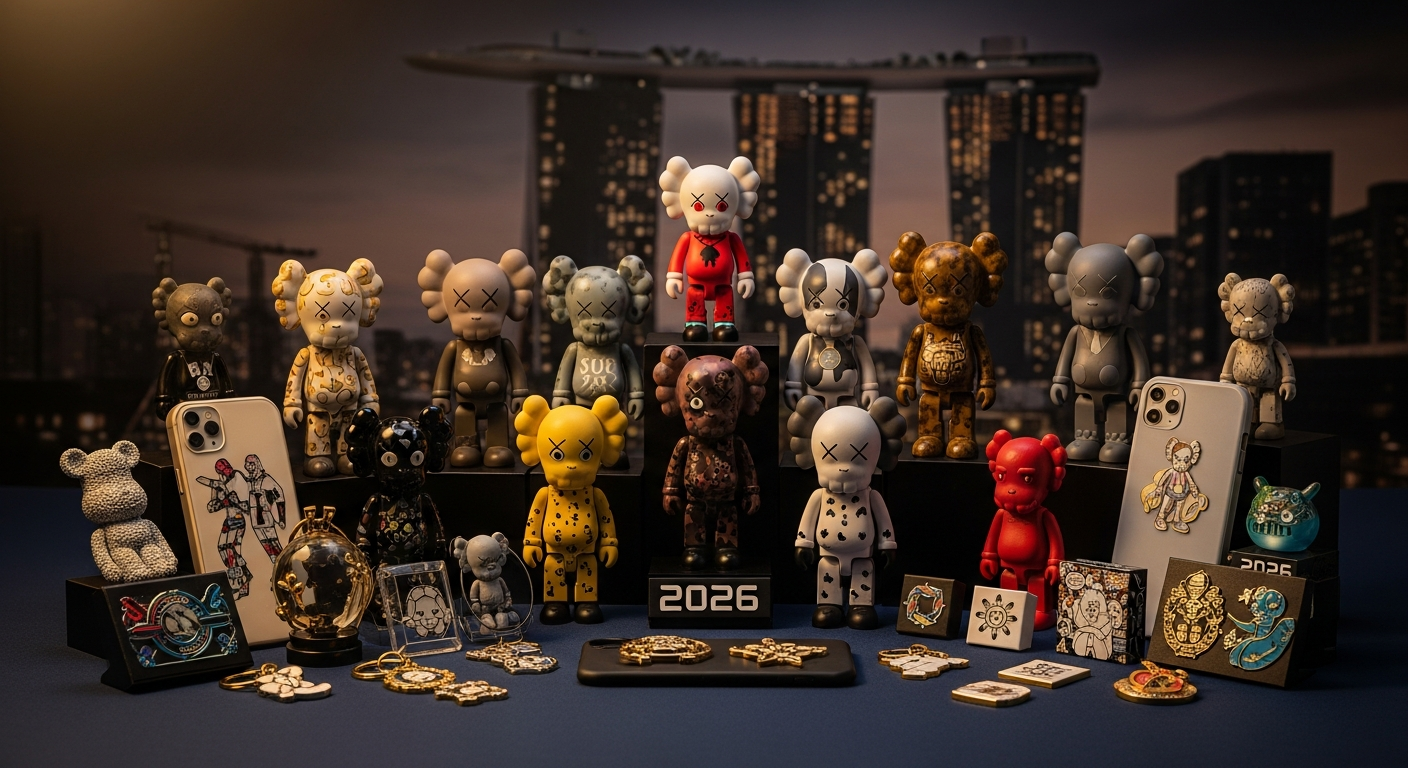

Singapore’s creative and manufacturing ecosystem has matured into a powerhouse for product designers and makers. In 2026, demand for distinctive lifestyle products and collectible figurines continues to rise — driven by local brands, regional ecommerce, and global collectors seeking limited-edition pieces. This article explores how teams in Singapore approach lifestyle product design Singapore and custom figurine design Singapore, with practical insights on prototyping, materials, sustainability, and go-to-market strategies.
Singapore offers a compact, well-connected environment where design, rapid prototyping, and small-batch manufacturing converge. Key advantages include proximity to Southeast Asian supply chains, strong IP protection, and a growing pool of specialised studios and engineers. For designers focused on lifestyle product design Singapore, that means faster iteration and near-real production testing. For artists and brands creating collectibles, Singapore’s infrastructure supports precise small-batch runs and high-quality finishes for custom figurine design Singapore.
A robust workflow keeps projects on schedule while protecting design quality and brand intent. A typical path for lifestyle product design Singapore and custom figurine design Singapore includes:
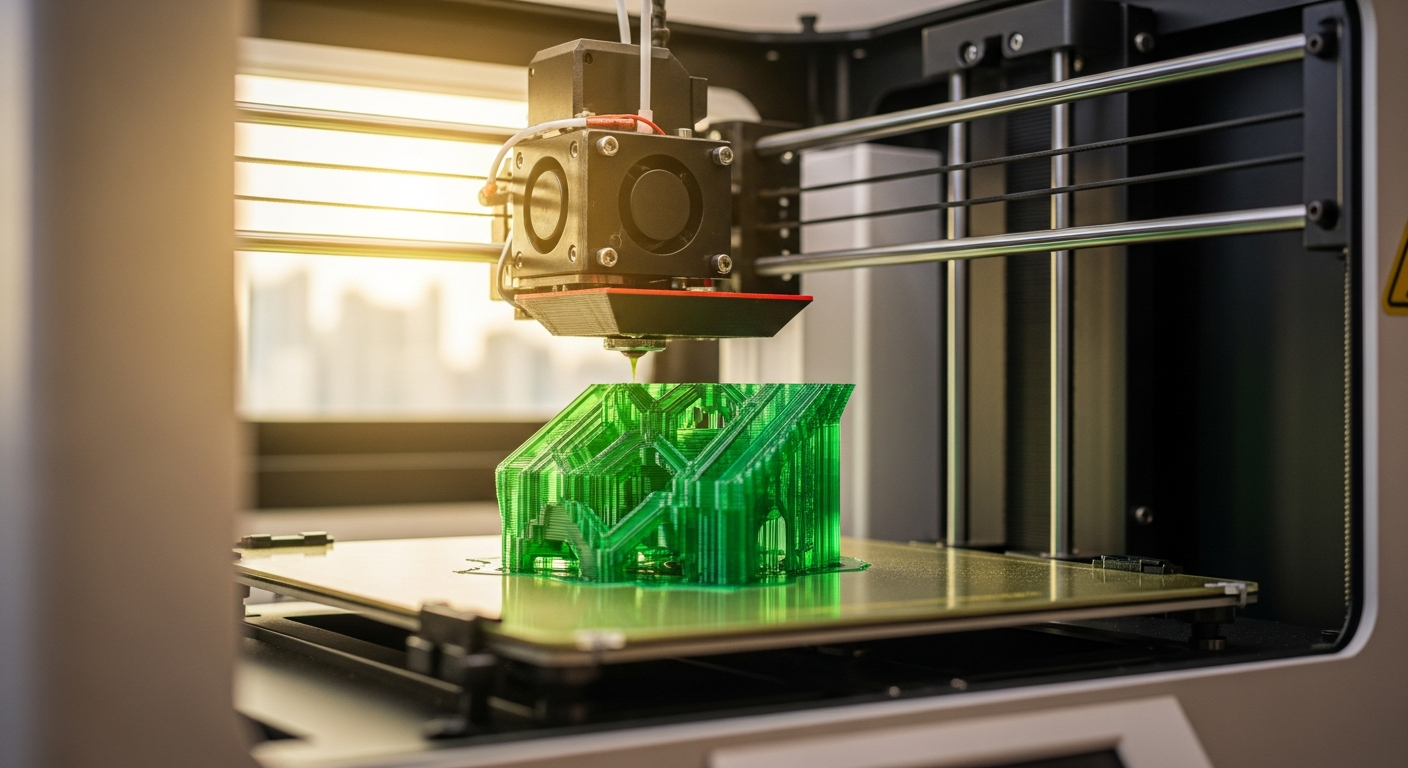
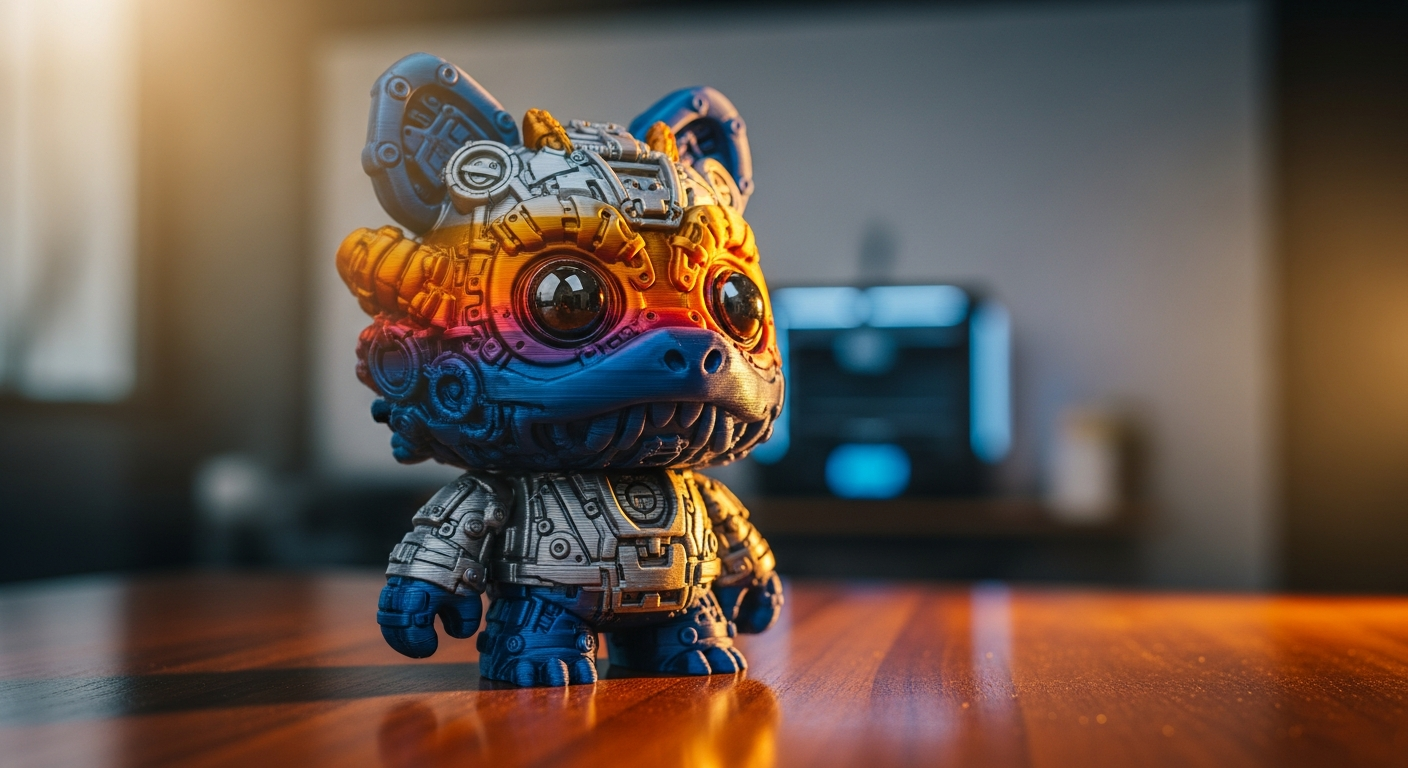
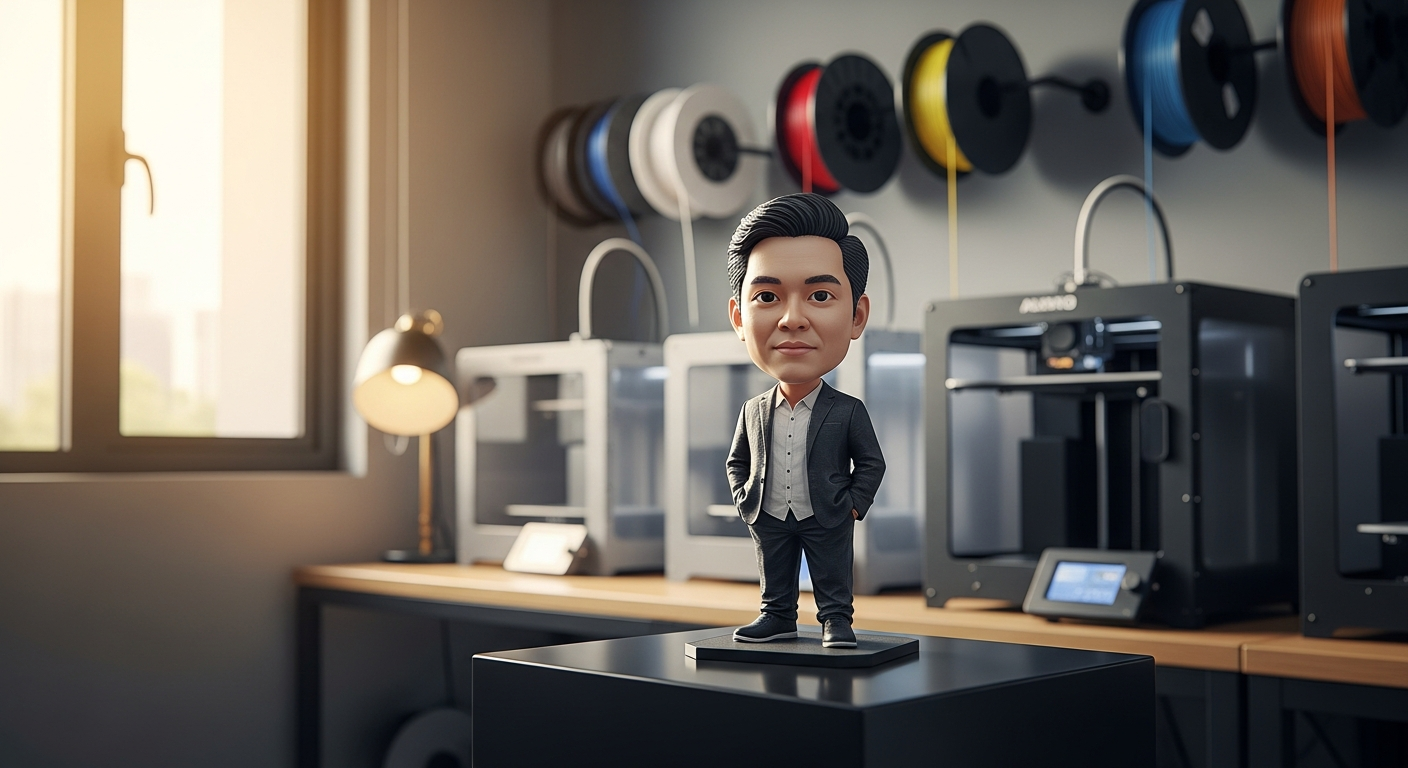
Rapid prototyping shortens development cycles and reduces risk. In Singapore, many studios combine multiple prototyping technologies to suit distinct project goals. For example, FDM 3D printing is cost-effective for large-scale concept models, while SLA or SLS provide fine detail for figurine faces and textures. Iterative physical prototypes help catch fit, balance, and assembly issues that are invisible in CAD.
Explore specialised prototyping services like collectible art toys rapid prototyping to understand how studios adapt processes for art toys and limited-run figurines.
FDM 3D printing remains a workhorse for many lifestyle product design Singapore projects because of its affordability and speed. When higher resolution is required, SLA (resin) and SLS (powder) provide cleaner surfaces and finer details — essential for custom figurine design Singapore. In many workflows, designers use FDM for early form studies, then switch to SLA for final sculpts.
For projects prioritising durability or fast small-batch production, consider services highlighted in 3D printing rapid prototyping. For lifestyle products specifically, see applications of FDM 3D printing for lifestyle products that outline trade-offs between speed, surface finish, and part strength.
Material selection influences aesthetics, durability, cost, and sustainability. Common choices include:
Finishing techniques — priming, sanding, airbrushing, electroplating, and UV coatings — elevate a raw print to a market-ready product. Studios that offer integrated finishing services typically produce more consistent results for limited editions.
Sustainability is an increasing priority in Singapore’s design community. Designers pursuing lifestyle product design Singapore should consider:
Using companies experienced with environmentally ambivalent materials accelerates adoption; relevant case references include custom 3D printing for limited edition art toys, which discusses small-run eco-conscious finishing choices.
Cost and timeline planning differ by method:
Singapore’s proximity to regional manufacturing hubs makes it easy to pilot in-country before scaling overseas. For bespoke projects that need fast turnaround and accurate representation of final parts, studios offering FDM 3D printing Singapore custom figurine design are an efficient choice.
In 2026, many Singapore studios specialise in bridging the gap between handcrafted and industrial manufacturing. Options include:
Hybrid production — using 3D-printed masters for moulding and then finishing by hand — is a proven route for collectible figurines where tactile detail matters.
Both examples highlight integrated services that combine artistic intent with producibility — a core expectation for custom figurine design Singapore.
When selecting a partner for lifestyle product design Singapore or custom figurine design Singapore, evaluate:
For projects requiring specialist support, studios that document their workflows and showcase production case studies are easier to work with. See examples of specialised workflows in collectible art toys rapid prototyping and custom 3D printing for limited edition art toys.
Singapore in 2026 remains a smart base for designers and brands working on lifestyle product design Singapore and custom figurine design Singapore. The combination of local prototyping expertise, diverse material options, and strong supply chain connections supports everything from art toys to consumer lifestyle goods. By leveraging rapid prototyping, careful material selection, and sustainable practices, designers can bring high-quality, market-ready products to collectors and consumers with confidence.