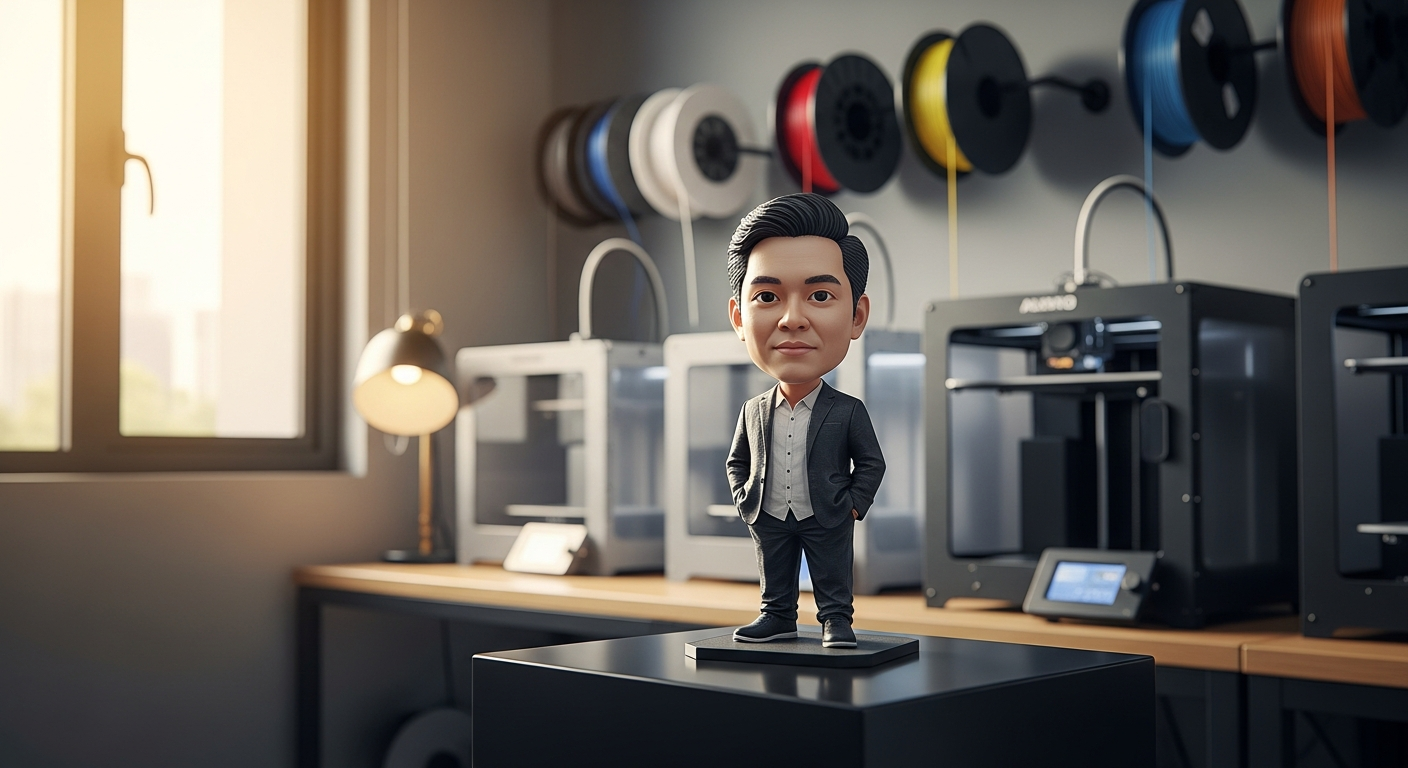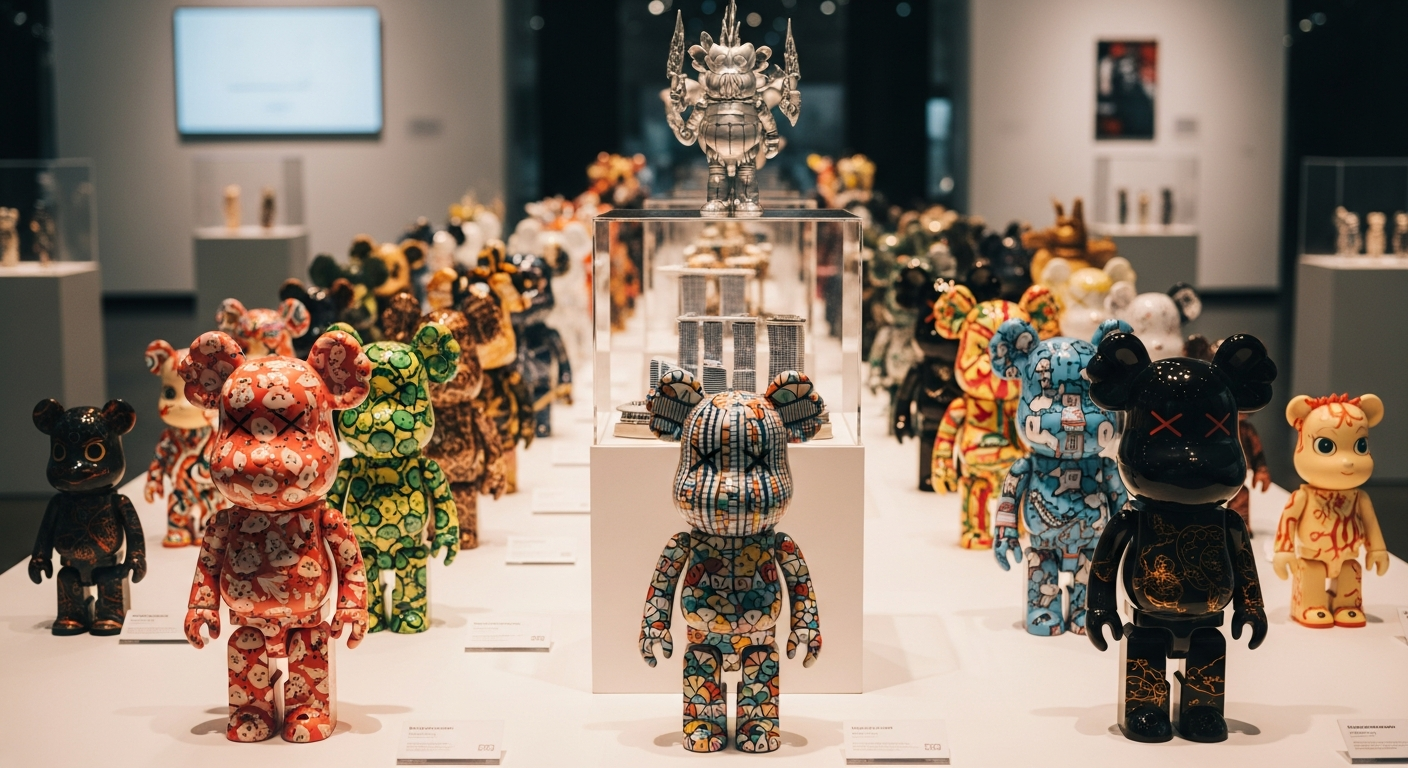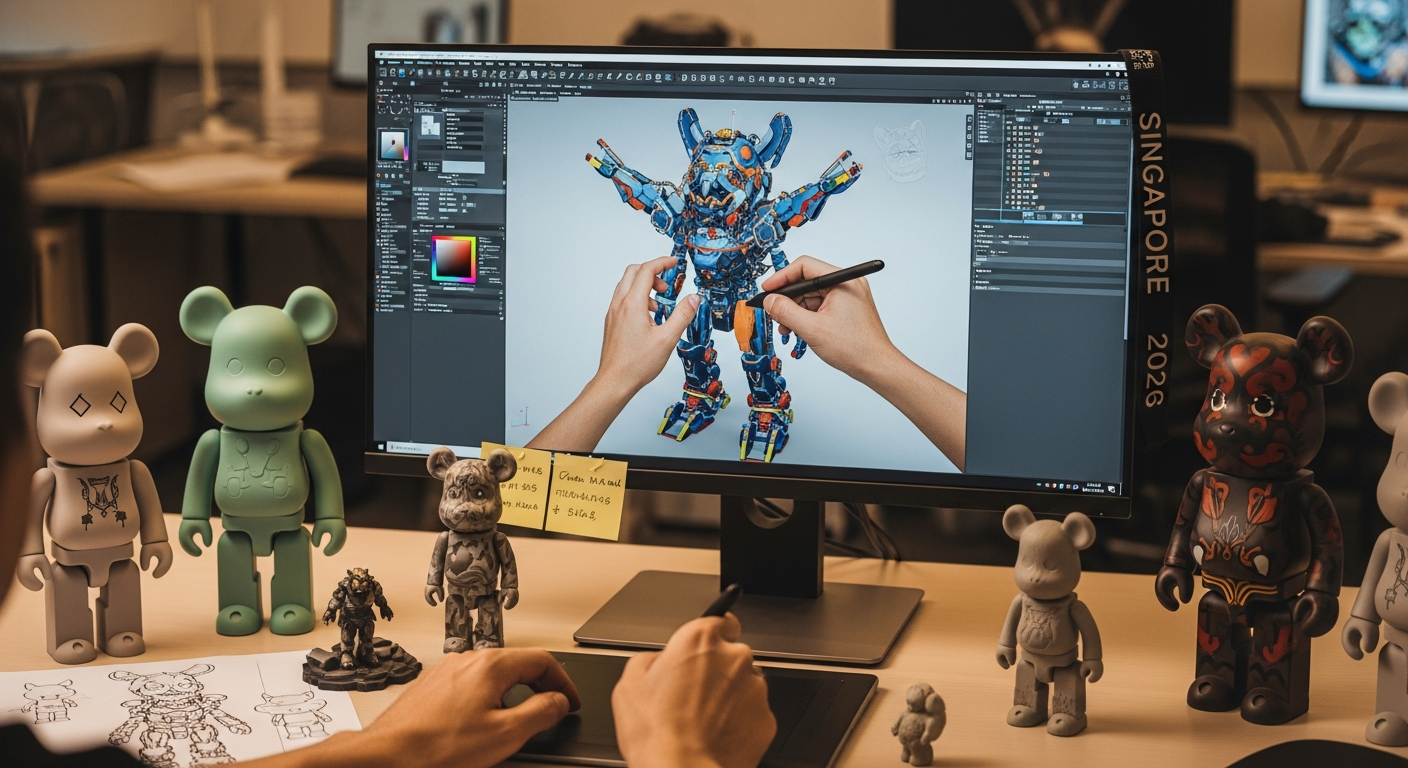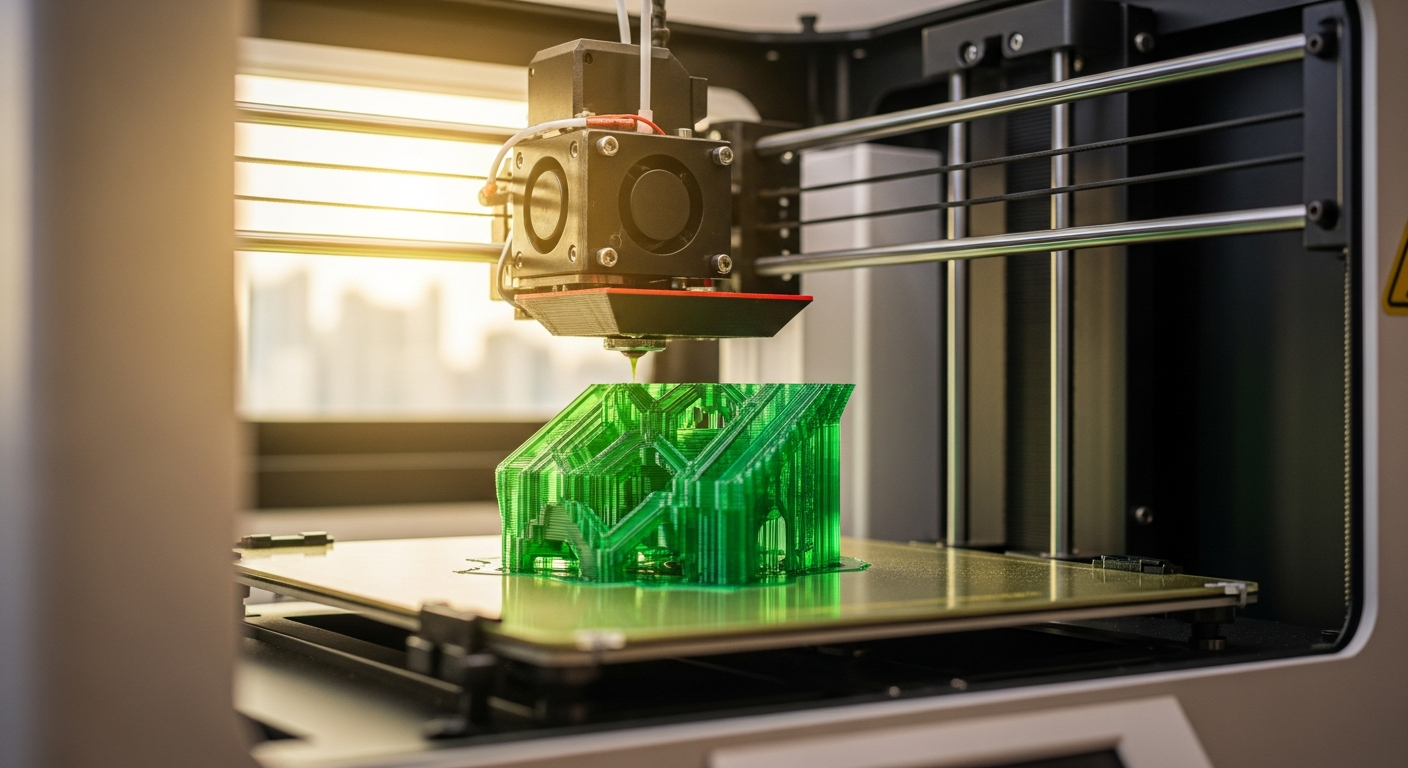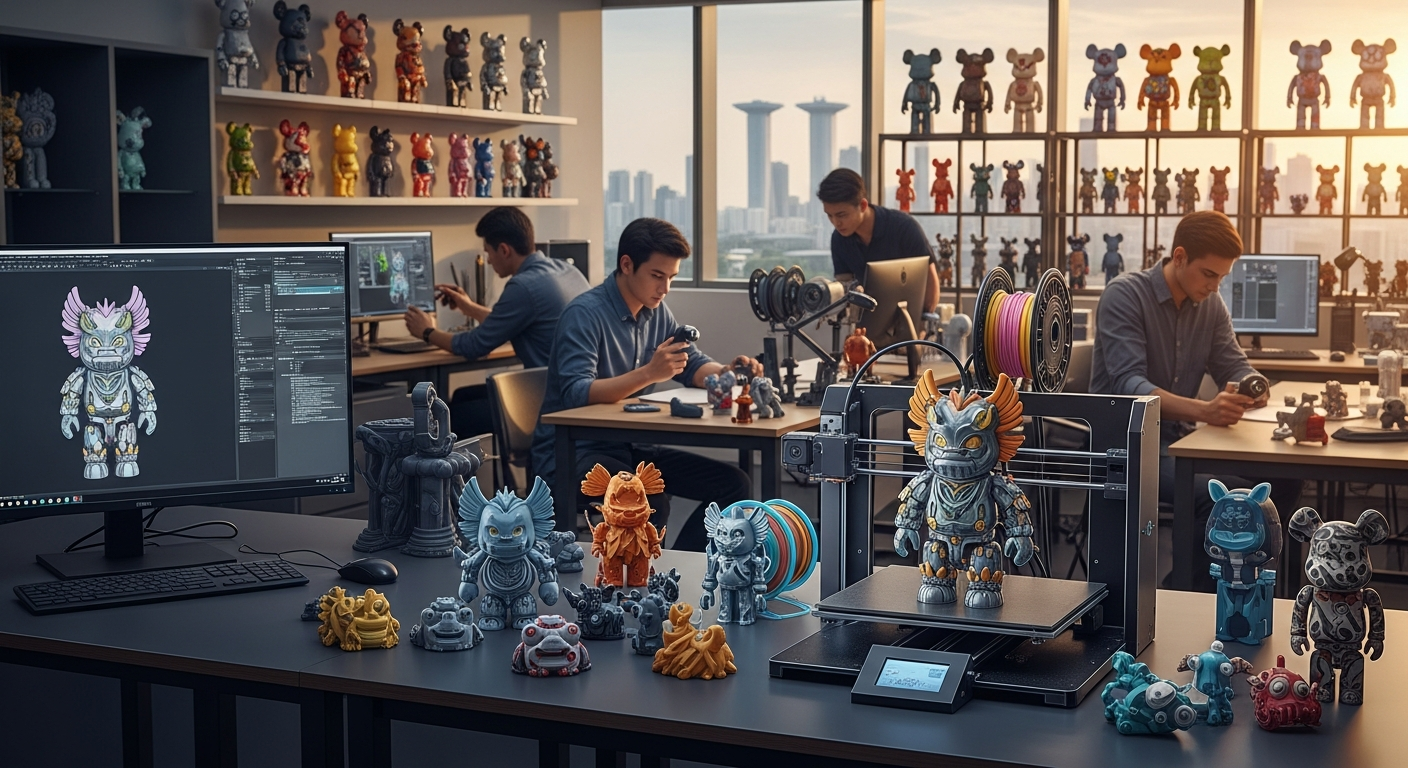
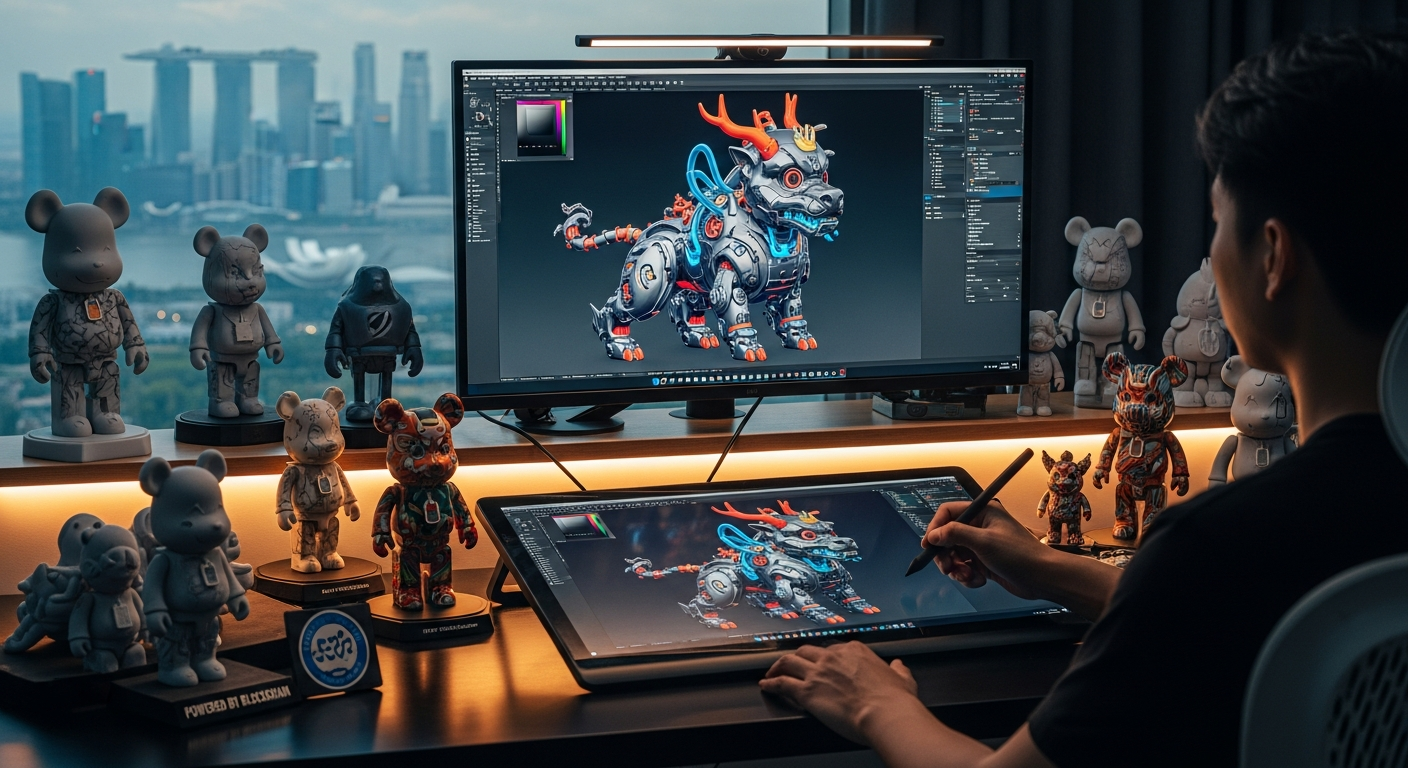

The collectible art toys market has evolved from underground designer vinyl runs to a global industry where limited-edition drops command intense collector interest. In Singapore, a compact but highly capable ecosystem of studios, engineers and designers is helping artists move from concept sketches to tangible collectibles faster than ever. This article explores how rapid prototyping Singapore services power the collectible art toys pipeline in 2026 — from CAD modeling and multi-material 3D printing to finishing, small-batch production and collector-ready presentation.
Collectible art toys rely on detail, character and finish. Unlike mass-market toys, limited runs require higher fidelity, tighter tolerances and customized finishing — all while keeping time-to-market short so artists and brands can capitalize on cultural moments.
Rapid prototyping Singapore studios offer three clear benefits:
These advantages make rapid prototyping the default route for many creators building collectible art toys in Singapore and the wider Southeast Asian market.
Not every process fits every toy. Choosing the right technology depends on design complexity, surface detail, material properties and target run size.
For artists seeking a turnkey route from sculpt to sample, Singapore studios routinely combine these technologies into hybrid workflows that optimize surface detail, strength and paintability.
A reliable, repeatable workflow helps ensure each collectible art toy launch meets artistic intent and collector expectations. Typical stages include:
This pipeline keeps creative control with artists while leveraging the engineering expertise of rapid prototyping Singapore partners.
Collectors expect high-fidelity finishes: seamless seams, stable paint, and tactile surfaces. Getting there requires attention to material choice and finishing workflows.
Many studios in Singapore now offer integrated finishing suites so artists can specify exact color palettes and special effects (metallics, pearlescent finishes, weathering) that help pieces stand out in a crowded market. For collectors who appreciate limited editions, consider partnering with providers that specialise in small-batch runs and finishing, such as those offering custom 3D printing for limited-edition art toys.
To reduce rework and keep prototypes aligned with production capabilities, designers should adopt DFM (Design for Manufacture) practices early:
Working closely with your prototyping partner during the CAD phase avoids late-stage surprises — studios offering custom figurine design can consult on these design choices directly.
Singapore combines a few unique advantages for designers and independent brands:
These benefits reduce the friction between a successful prototype and an actual saleable collectible.
Several trends are influencing how artists approach prototyping and small-batch production this year:
Singapore studios are quick to adopt these trends, offering services that integrate digital order management and scaled finishing for creators focused on limited series.
Budgeting for collectible art toys depends on complexity, size and finish. Typical ranges for early-stage prototyping through to small-batch production:
Timelines in Singapore are competitive: a rush prototype can be completed within days, full prototyping cycles might take 2–4 weeks, and small-batch production rounds generally range from 2–8 weeks depending on finishing complexity. For designers who want to understand the practicalities of 3D prototyping timelines and application to toys, resources on 3D printing rapid prototyping Singapore for art toys provide useful case studies.
Choose a partner who can deliver both technical precision and a shared aesthetic sensibility. When evaluating studios, ask about:
A practical first step is to request a feasibility review and a printed sample that demonstrates both print fidelity and finishing quality.
A contemporary toy artist in Singapore wanted a 200-piece run with a complex multi-part head, fine facial texture and a gradient paint finish. The chosen studio used a hybrid approach: SLA for the head and facial plates, FDM for internal structural components, and a controlled paint booth for gradient effects. Pre-production samples allowed the artist to fine-tune paint recipes and assembly jigs, resulting in a successful, fully sold-out drop. This illustrates how integrating design, prototyping and finishing under one roof shortens the path from idea to collector delivery.
If you’re evaluating partners, consider those with end-to-end capabilities that include CAD consultation, like studios offering 3D printing and rapid prototyping solutions, since they can translate sculptural intent into production-ready assemblies.
Rapid prototyping Singapore has become a strategic advantage for creators producing collectible art toys. By combining high-resolution 3D printing, skilled CAD modeling and professional finishing, artists can keep aesthetic control while scaling responsibly into limited editions. Whether you’re refining a digital sculpt or preparing a pre-order drop, Singapore’s prototyping ecosystem offers the speed, precision and finishing sophistication modern collectors demand. For specific workflows and partner offerings that align with collectible toy production, explore Singapore’s focused services such as dedicated CAD modeling, bespoke figurine design and short-run manufacturing to bring sculptural ideas to the hands of collectors.
For more guidance on applying these processes to your next release, consider reviewing specialized studio case studies and service pages that map directly to collectible toys and lifestyle products: 3D printing rapid prototyping Singapore for art toys, FDM 3D printing for lifestyle products, FDM 3D printing Singapore custom figurine design, custom 3D printing for limited-edition art toys, and CAD modeling for limited-edition art toys.