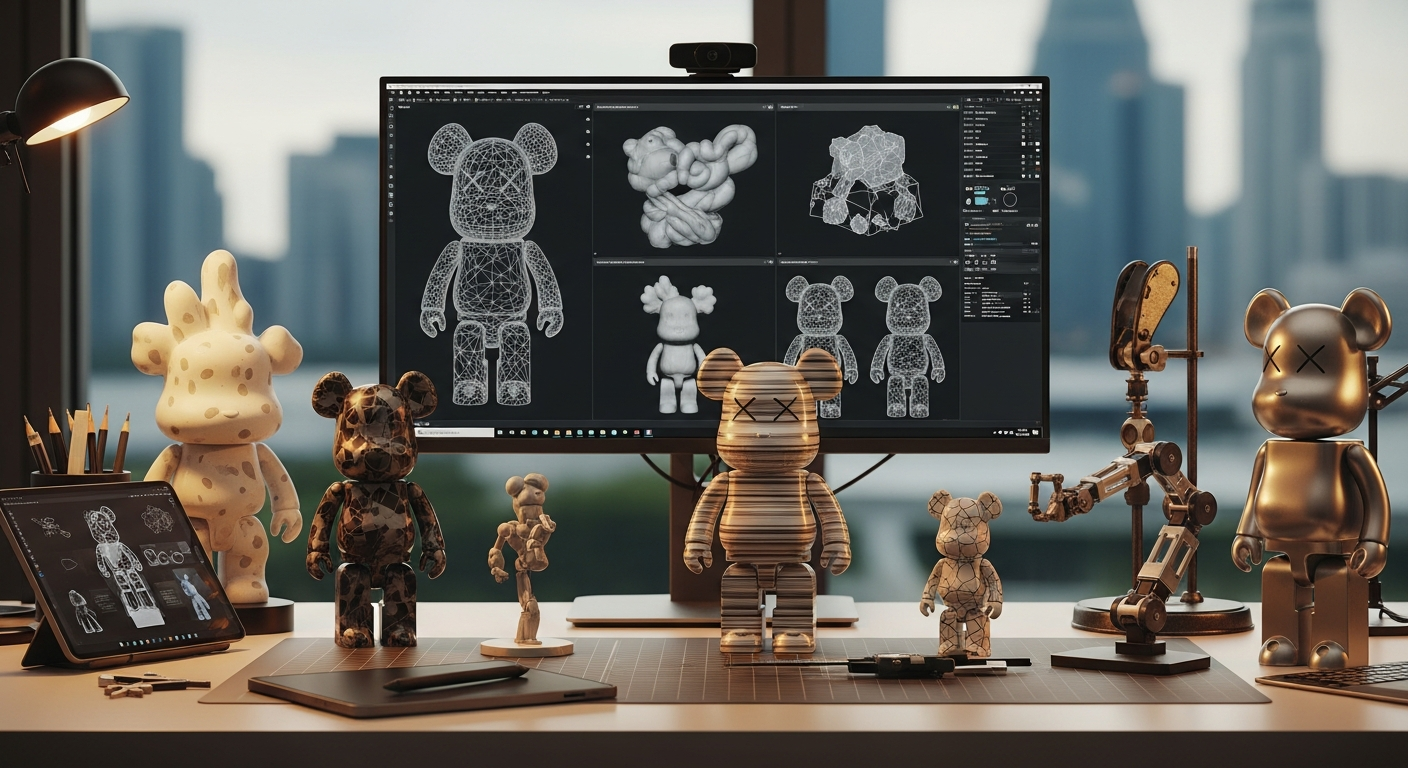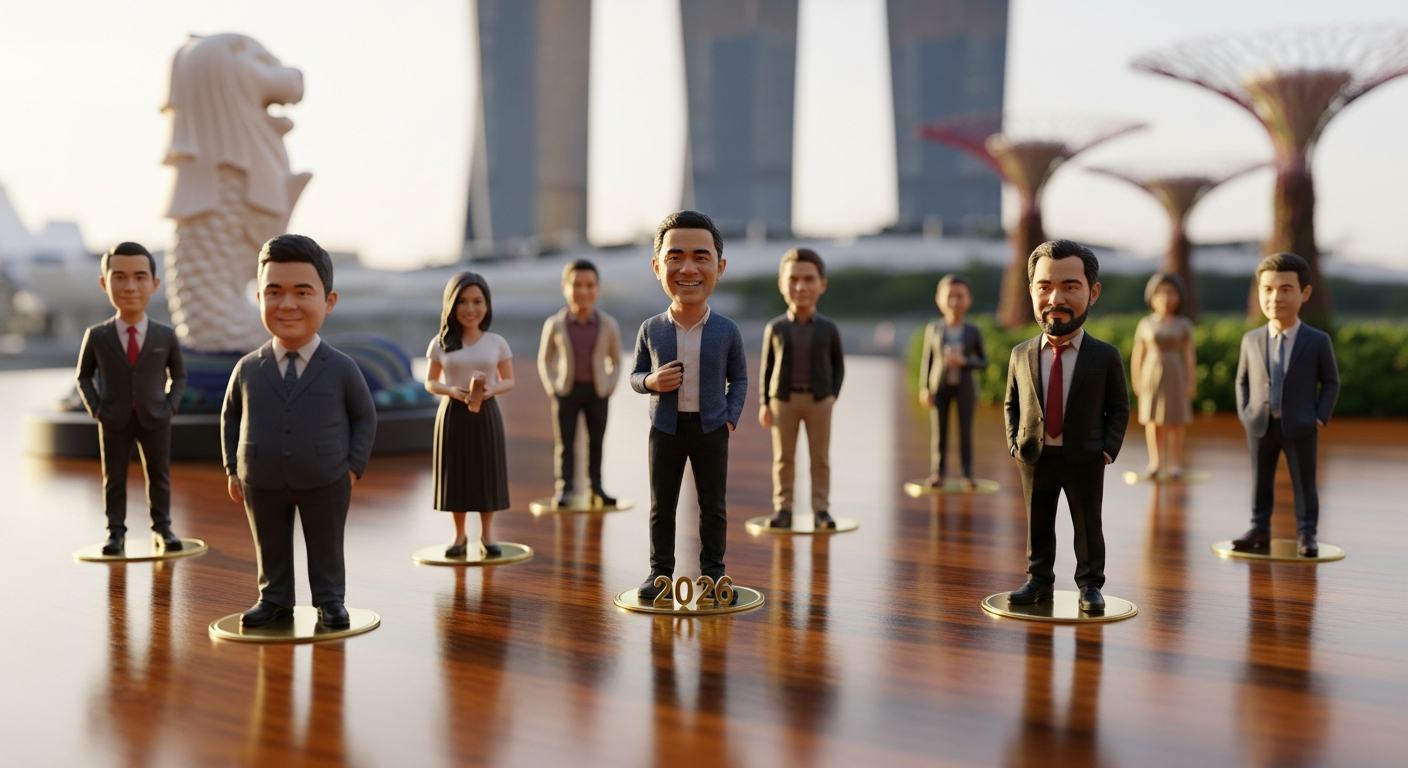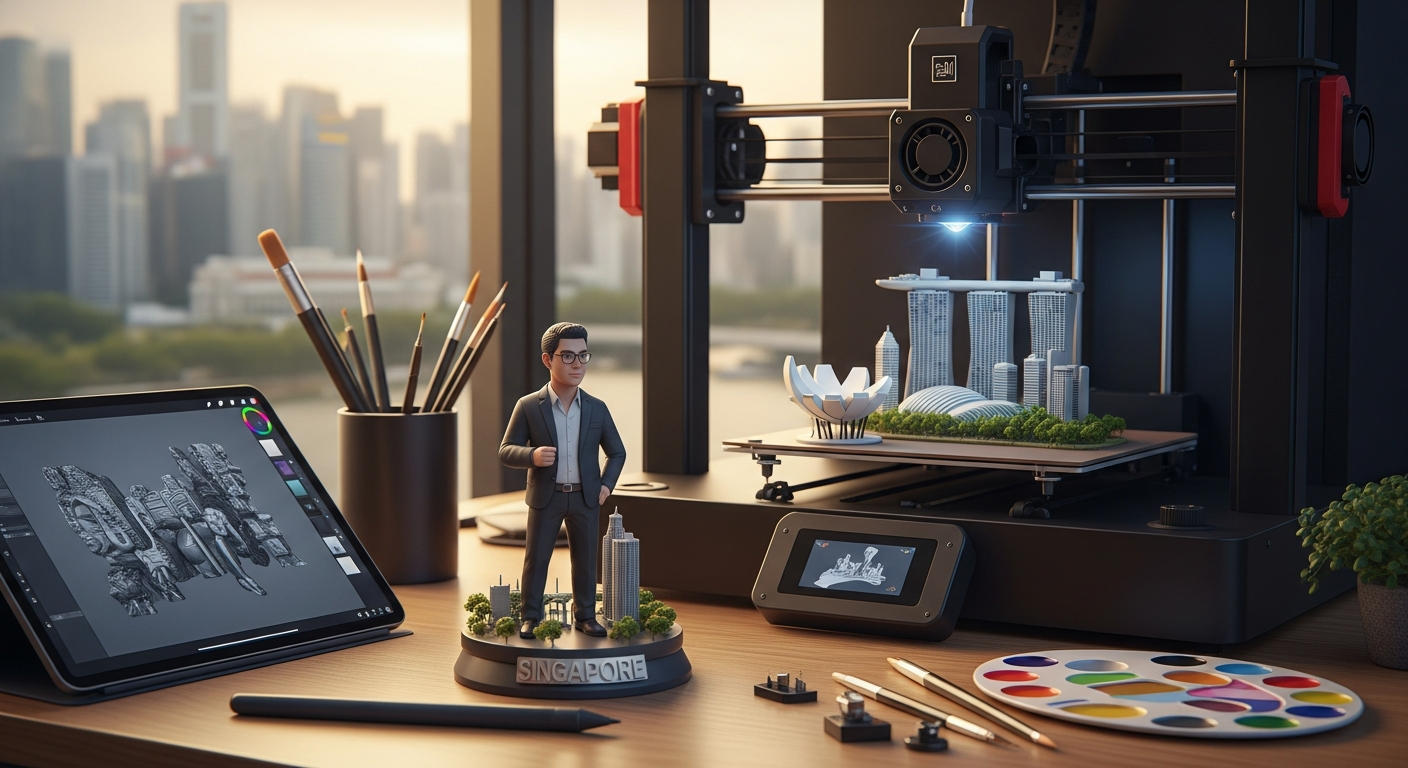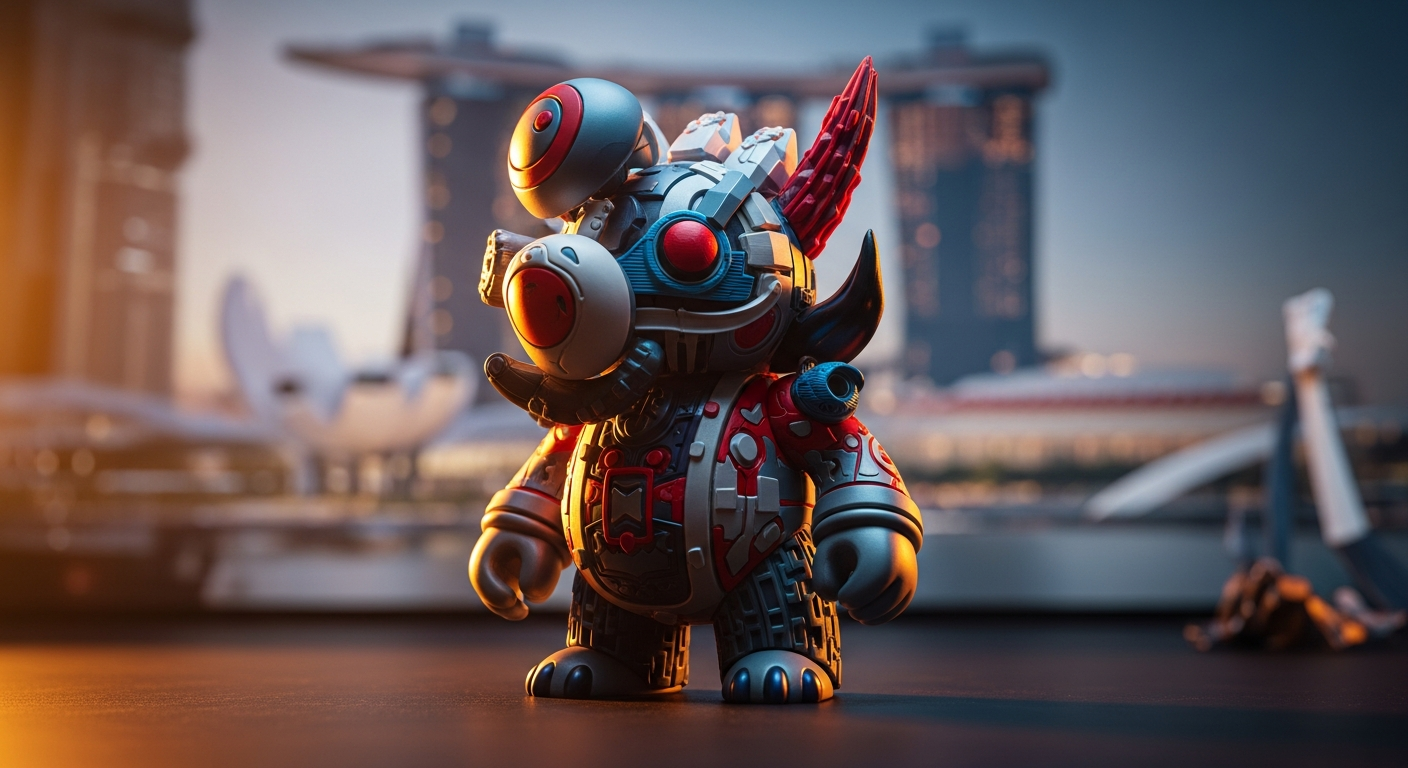

The intersection of designer collectibles and additive manufacturing has transformed how independent creators and boutique studios bring ideas to life. For makers of resin figures and limited-run collectibles, a reliable 3D printing workflow unlocks unprecedented detail, faster iteration, and cost-effective small-batch runs. In Singapore, the local ecosystem for digital fabrication and finishing has matured: studios now offer end-to-end services targeted specifically at the art toys community.
Whether you are a sculptor refining your signature piece or a brand preparing a limited drop, understanding how 3D printing dovetails with resin production is essential. This article explains practical workflows, material choices, finishing techniques, and what to look for when selecting a 3D printing partner in the city-state.
Additive manufacturing is uniquely suited to art toys for several reasons:
When choosing a dedicated 3D printing service Singapore providers that understand toy design, you get not only print accuracy but also guidance on orientation, support strategies, and post-processing that protect sculptural detail.
Not all providers are equal. For art toys, evaluate vendors on these criteria:
Local studios that serve designers often offer value-added services like design for manufacturability (DFM) reviews and limited run assembly. If you search for bespoke support, look for vendors specialising in art toys or collectibles to ensure they understand the niche requirements.
Choosing the right resin affects strength, surface finish, and paintability. Common categories include:
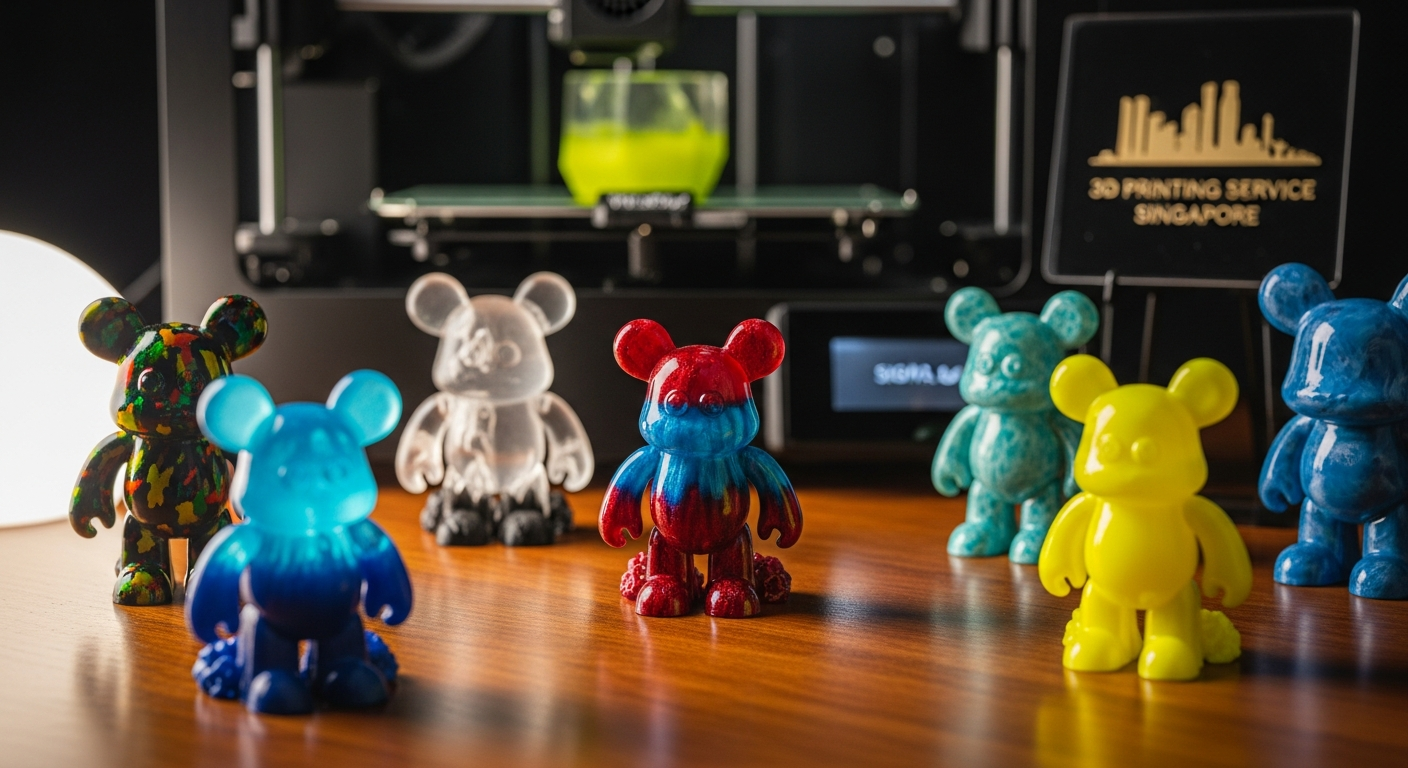
For final resin art toys, many creators print masters in high-detail resin, then use silicone molds for RTV casting in polyurethane resin — a workflow that balances fidelity and production efficiency. If you need guidance on material selection, professionals at a resin art toys lab can recommend the best match based on part geometry and intended finish.
A practical, repeatable workflow keeps costs down and quality high:
A full-service partner that handles stages 2–6 will make scaling from prototype to production smoother. Many creators rely on local custom art toys studios for these integrated services.
Surface finishing transforms a raw print into a collectible. Key tips:
A service that includes professional painting can offer consistent color matching across batches — valuable for limited edition drops aimed at collectors.
Budget planning depends on volumes and finish level:
Singapore-based providers can offer competitive turnaround thanks to compact supply chains and local finishing expertise. For predictable drops, schedule production with buffer time for QC and shipping. If you want to move quickly, request expedited printing and finishing options from a toy prototyping specialist.
Recent trends shaping the community include:
Singapore’s creative labs often host small-scale production runs and offer mentorship for artists moving into the commercial space. Connecting with a studio experienced in limited editions can help you adopt best practices and avoid common pitfalls.
Prepare these items before engaging a service provider:
Share these materials with a provider that specialises in collectibles or custom art toys. A professional studio will offer a DFM review, a clear quote broken down by prototyping, finishing, and small-batch work, and sample photos of previous projects.
Begin with a single prototype run to validate scale and finish before committing to full production. This iterative approach reduces risk and often leads to a better final product.
The convergence of high-resolution 3D printing and refined finishing workflows has made it practical for independent artists and small brands in Singapore to produce museum-quality resin art toys. Choosing a partner who understands sculptural detail, casting workflows, and collectible expectations is the single most important decision for a successful release. With the right studio, you can iterate rapidly, maintain consistent quality, and bring unique limited editions to a hungry collector market.
Start by assembling your files and references, seek a studio experienced in art toys, and plan for one prototype cycle to perfect the design before scaling. A measured, production-aware approach yields pieces that stand out for detail, durability, and finish.