The rise of on-demand 3D printing for art toys in 2025
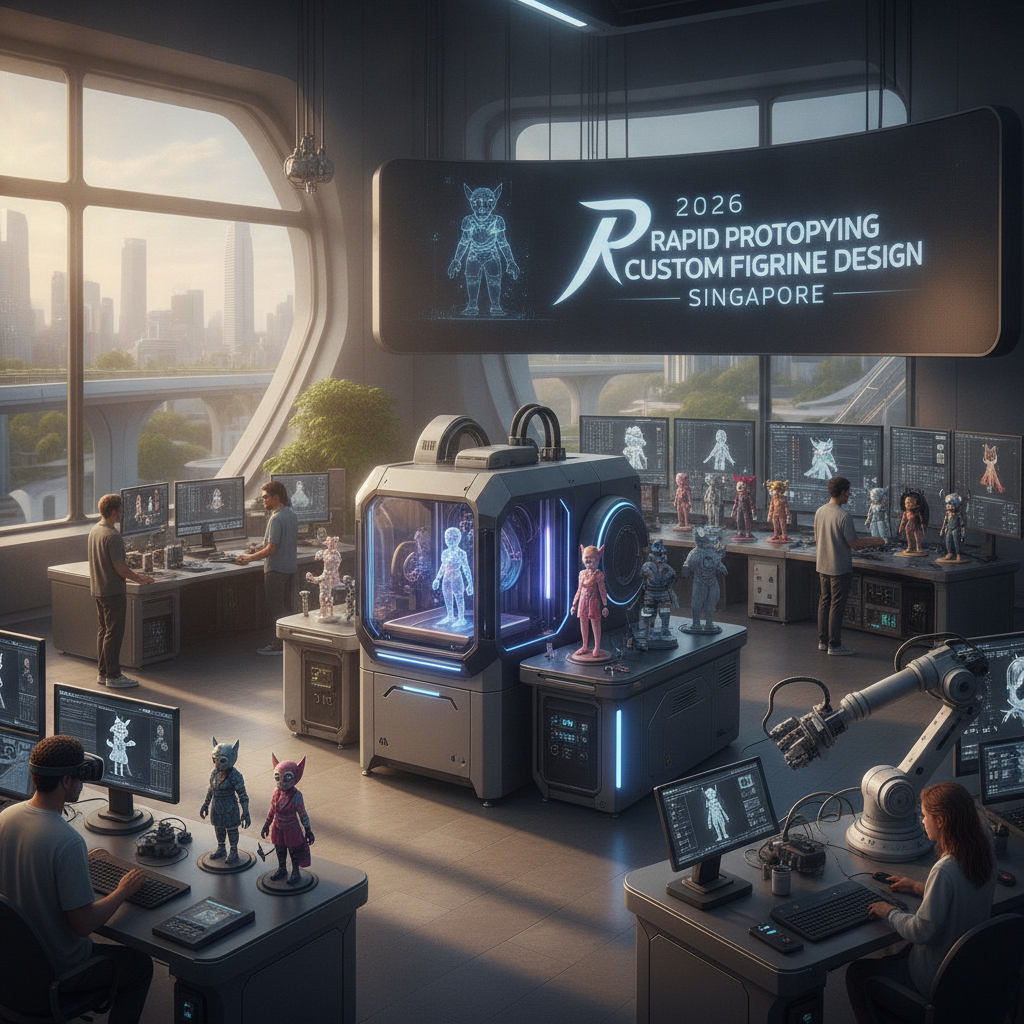
Collectors and independent designers have pushed art toys from niche shelf displays to a dynamic, global market. In Singapore, a dense creative ecosystem, reliable logistics and a growing network of specialist fabrication labs means on-demand manufacturing is now the preferred route for limited-edition runs and prototypes. Whether you’re launching an edition of 50 designer figures or refining a vinyl-inspired sculpt, an agile 3D printing workflow delivers speed, repeatability and higher fidelity than traditional casting for many projects. If you’re evaluating a 3D printing service Singapore provider, understanding the available technologies, finishing options and cost trade-offs will help you get professional results without surprises.
Why artists and brands prefer on-demand 3D printing
On-demand services remove the need for large up-front tooling investments. Key benefits for art toys include:
- Fast iteration: Rapid prototyping accelerates design cycles so sculptors can test poses, articulation and scale within days.
- Small-batch economics: Low minimums make limited runs viable and protect scarcity-driven value.
- High detail: Fine-feature resin printing captures textures and small facial features that translate well to paint.
- Local control: Working with a nearby provider in Singapore improves communication, reduces shipping risk and streamlines sampling.
These advantages make a local 3D printing service Singapore a natural partner for modern toy makers aiming to balance quality, cost and time-to-market.
Technologies that matter for art toys
Not all printers are equal. Matching technology to the toy’s aesthetic and function is crucial:
- SLA / DLP / MSLA (resin printing): Best for ultra-fine detail, crisp seams and smooth surfaces—ideal for premium collectibles.
- PolyJet / Material Jetting: Delivers multi-material and full-color parts in a single build, useful for complex prototypes and multi-textured pieces.
- SLS / MJF (powder-based): Durable and good for structural elements or internal parts, but surface finish usually requires post-process smoothing.
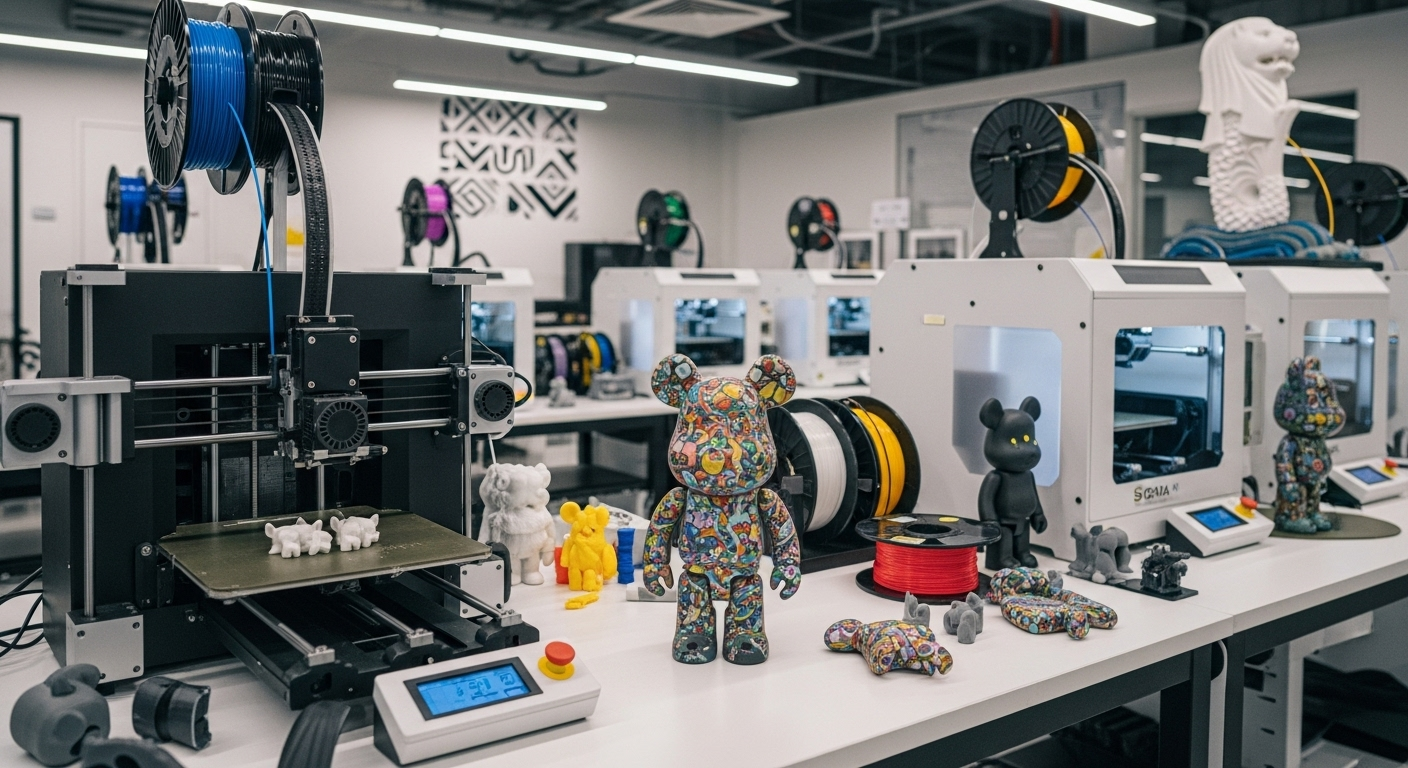
- FDM (filament): Useful for large concept pieces and low-cost prototyping but limited for high-detail collector toys.
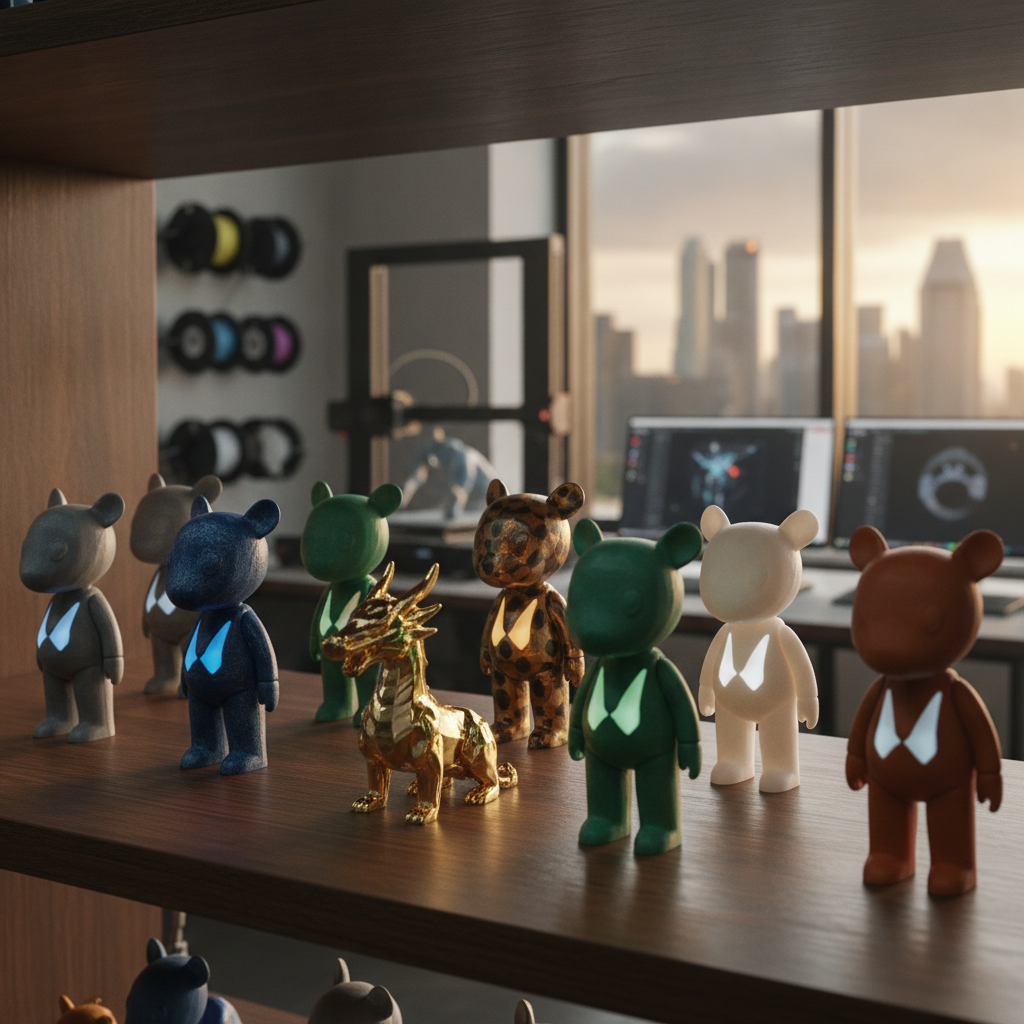
For most limited-edition art toys, high-resolution resin printing strikes the best balance between surface quality and production feasibility. Resin allows thin walls, complex undercuts and crisp detail that respond well to hand-painting or airbrushing.
Design and file-prep best practices for art toys
Design with manufacturing in mind to reduce cost and iteration time:
- Make models watertight and manifold. Floating geometry will fail during slicing.
- Respect minimum wall thicknesses for the chosen material; very thin features can be fragile.
- Hollow larger parts and add drain holes to reduce material use and post-cure stress.
- Add registration pins and alignment features for multi-piece assemblies and painting jigs.
- Consider articulation clearances and tolerances; leave 0.2–0.5 mm gaps where parts must move or snap-fit.
- Label parts in the CAD for easier assembly and inventory during small-batch runs.
A good 3D printing service Singapore partner can provide specific design rules and quick pre-print checks to avoid common pitfalls.
Post-processing, finishing and painting
Post-processing is where an excellent print becomes a showpiece. Typical steps for art toys include support removal, washing, post-curing, sanding, priming and painting. For resin parts, proper cleaning and UV curing ensures dimensional stability and paint adhesion. Consider the following:
- Support strategy: Minimize marks on visible surfaces and place supports in low-visibility areas.
- Surface finishing: Sanding and micro-filling smooth layer lines; for some resins, light chemical smoothing yields glass-like surfaces.
- Priming and sealing: Use primers that bond to resin and multiple thin coats for consistent paint layering.
- Professional paint techniques: Airbrushing gradients, masking for crisp lines and metallics for accents elevate perceived value.
If you require professional prototype finishing — sanding, color matching and protective coatings — assess a provider’s finishing gallery and request physical samples before committing to a full run.
Color, materials and safety considerations
Color fidelity and material selection influence both aesthetics and regulatory compliance:
- Pigmented resins and painting approaches allow vivid palettes; for full-color prints, material-jetting printers reproduce color directly but at higher cost.
- Consider flexible resins for soft-touch parts, or engineering resins for functional joints and load-bearing elements.
- If toys are marketed to adults as collectibles, standards differ from child-safety requirements. Still, check for chemical safety, post-cure off-gassing and finishing materials compatibility.
A service that offers precise color matching and consistent material specifications will help maintain brand quality across batches.
Production models: prototype, short-run, and scale-up
Different production phases require different approaches:
- Prototype: Focus on speed and iteration; fine-detail resin printing is preferred to validate sculpt and paint workflow.
- Short-run (10–500 units): On-demand resin or hybrid workflows (printed masters + molded copies) balance cost and quality.
- Scale-up: For larger runs, consider tooling or a mixed strategy—3D-printed masters for molds, or moving to injection molding for high-volume pieces while keeping local short runs available for exclusives.
Choosing a local provider capable of both digital and analog workflows simplifies transitions between these stages and protects design IP.
Choosing the right 3D printing service in Singapore
When evaluating providers, prioritize these criteria:
- Material library and machine portfolio: Can they print the resolution and materials your toy demands?
- Post-processing capabilities: Do they offer sanding, painting, electroplating or assembly services?
- Turnaround and minimum runs: Confirm lead times for prototypes and each production tier.
- Quality control: Look for sample galleries, process certifications and a willingness to do test prints.
- Communication and IP protection: NDAs, on-site visits and clear file handling practices matter for high-value designs.
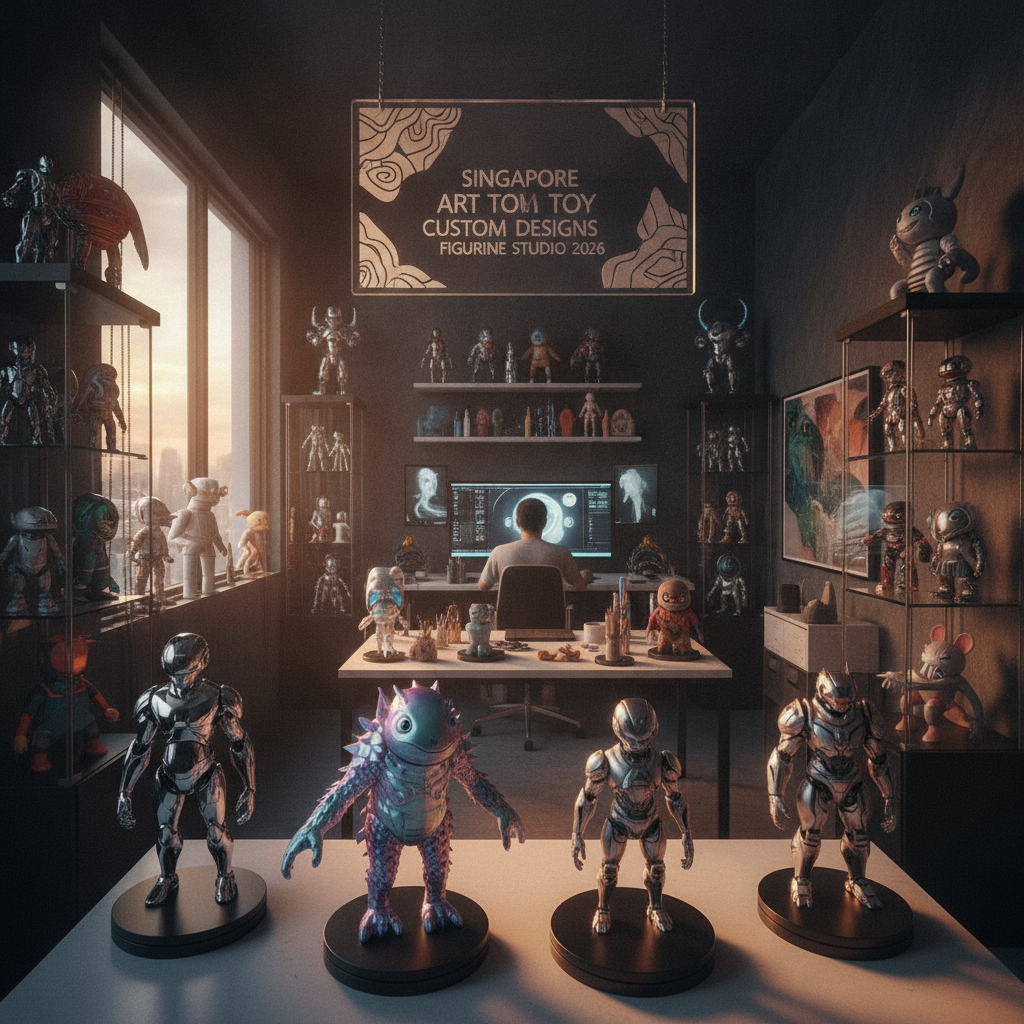
Singapore’s fabrication scene includes studios that specialize in designer collectibles and art toys, offering both creative consultation and industrial rigor.
Costs and timelines you can expect
Costs vary by technology, material and finishing level. Typical guidelines for 2025:
- High-resolution resin prototypes: higher per-part cost but fast turnaround (days to a week).
- Short runs with hand-finishing: moderate per-unit cost factoring labor; allow 1–3 weeks depending on paint complexity.
- Full production with molds: larger up-front cost but lower per-unit for high volumes; lead times depend on mold fabrication.
Request a breakdown of per-part print time, material use, finishing labor and packing. Transparent quoting avoids scope creep and hidden charges.
2025 trends shaping art toy production
Several trends are redefining what’s possible: multi-material and full-color printing for fewer assembly steps; sustainable bio-resins and recyclable materials; embedded electronics for light or sound effects; and localized micro-factories that produce drops on demand to reduce inventory. Collectors also value provenance—limited edition numbering, certificates and digital twins (NFTs) are increasingly bundled with physical releases. These trends raise the bar for finishing, consistency and supply-chain agility.
Final checklist before you print
- Finalize CAD with clear assembly and tolerance notes.
- Choose materials aligned with desired finish and durability.
- Request test prints and color swatches for approval.
- Confirm post-processing scope: sanding, priming, paint and protective coatings.
- Agree on packaging, numbering and delivery timelines.
Partnering with an experienced 3D printing service Singapore that understands art toys shortens the learning curve and helps you deliver collectible-quality pieces that stand out in 2025’s competitive market. Start with a sample run, document results, and iterate—this workflow turns great sculpts into cherished collectibles without unnecessary overhead.