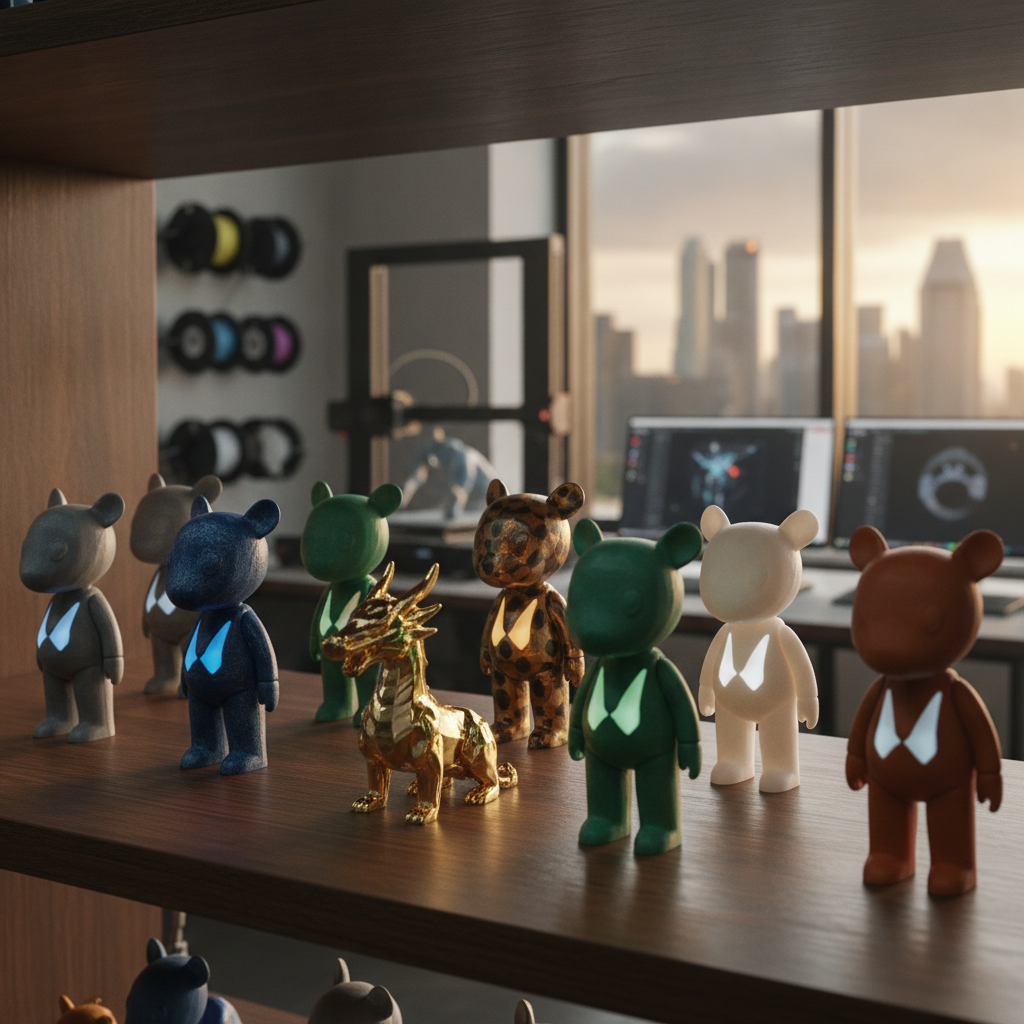
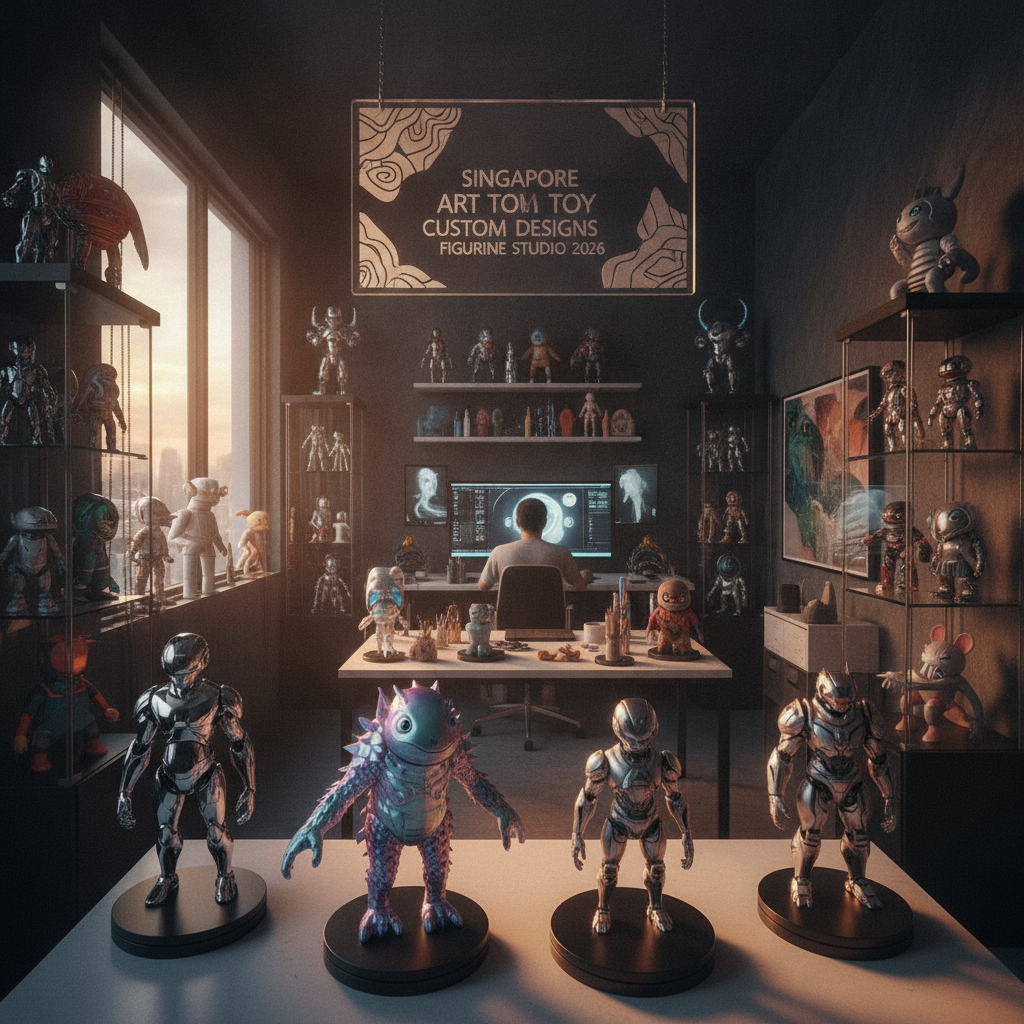
Why 3D printing is changing the art toys and collectibles scene in Singapore
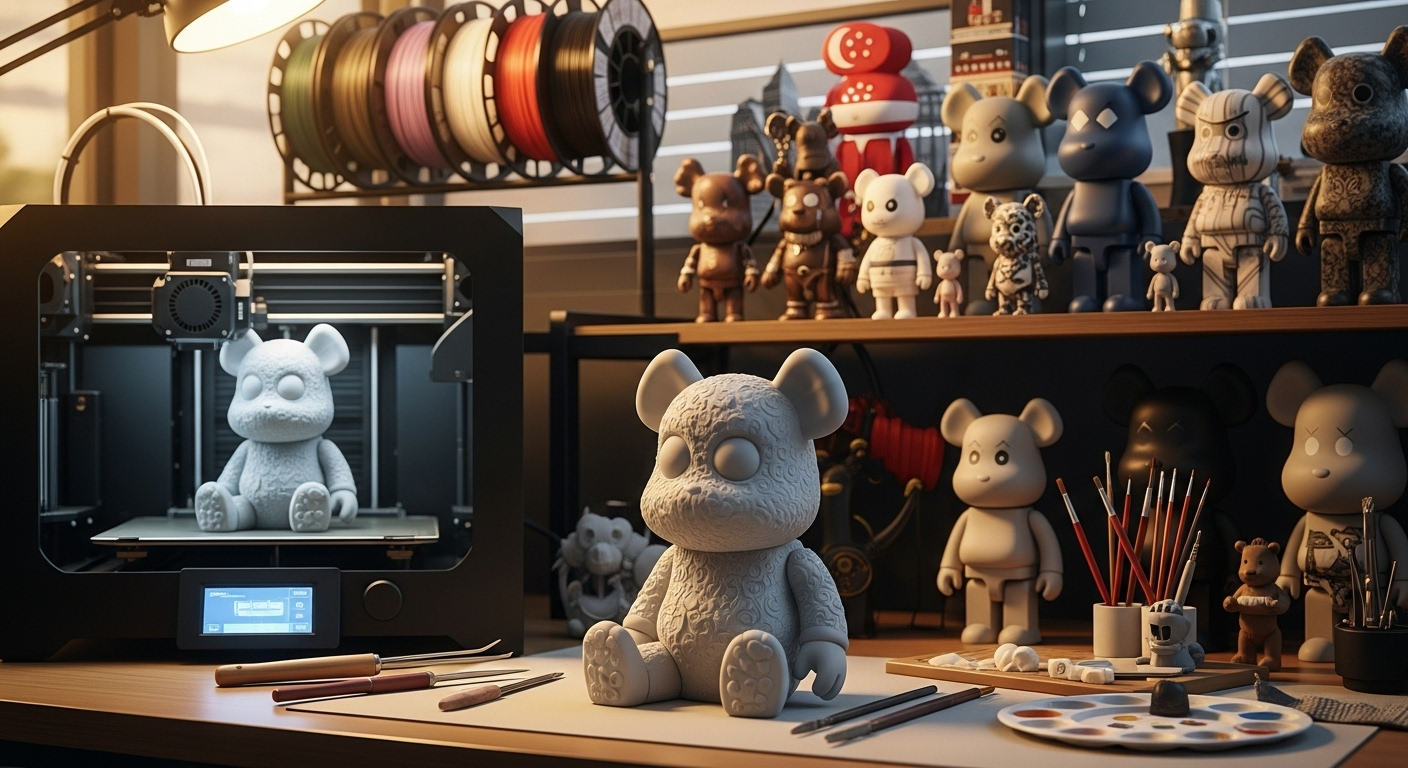
Singapore has become a regional hub for design-driven manufacturing, and 3D printing sits at the heart of that shift. For designers, independent toy artists and boutique studios, a reliable 3d printing service singapore unlocks new creative freedoms: rapid iteration, extremely fine detail, and economical short runs that make limited editions feasible.
Art toys and collectibles are uniquely suited to additive manufacturing. Their value depends on sculptural detail, surface finish, and the story behind limited runs — all areas where modern 3D printing workflows excel. Today, Singapore-based makers can prototype in days, move to small-batch production in a week or two, and deliver pieces with museum-quality finishes that appeal to collectors.
What printers and materials are best for art toys
Choosing the right technology matters. Here are the most important options and why they matter for the aesthetic and durability of your pieces.
- SLA/DLP resin printing: Best for high-resolution sculpts, ultra-fine surface detail and smooth skin textures. Ideal for small, intricate figures and premium collectibles.
- SLS (nylon): Great for durable, functional parts and lightweight assembly components. Offers a slightly textured surface that can be smoothed or coated.
- MJF: Good for consistent mechanical properties and faster throughput on medium runs. Produces robust parts ready for finishing.
- FDM: Useful for large prototypes and structural mockups but not recommended for final, display-ready art toys unless heavily post-processed.
Resin options now include castable resins for mold-making, flexible resins for soft parts, and even biobased resins for sustainability-minded creators. For collectors who demand vivid colour and layered effects, full-colour binder jetting or hand-painting after printing are common approaches.
Designing for print: tips to avoid surprises
Good design for 3D printing reduces cost and speeds up the path to production. Keep these practical rules in mind:
- Minimum wall thickness: Follow the material-specific guidelines. For SLA, keep walls above 1.5 mm for strength; for SLS, 2 mm is safer when parts bear load.
- Hollowing and drain holes: Hollow larger parts to save resin and reduce post-processing. Add appropriately sized drain holes to avoid trapped material.
- Support placement and orientation: Orient models to minimize visible support scars on primary surfaces. Small adjustments in tilt can dramatically reduce finishing time.
- Tolerances for assembly: If parts snap together, allocate clearance (typically 0.2 to 0.5 mm depending on printing method) and test fit in early prototypes.
- File setup: Provide watertight STL or 3MF files, and include layer/feature callouts for critical areas to help the print service set optimal parameters.
For expert guidance, many studios and vendors in Singapore offer design-for-manufacture reviews that catch these issues early and save time and cost.
Post-processing and finishing that make art toys collectible
Collectors expect flawless finishes. 3D printing services in Singapore layer in post-processing workflows to achieve presentation-level quality:
- Support removal and UV curing (for resins).
- Sanding and priming to remove layer lines and blend seams.
- Painting: airbrushing, hand-painting and masked multi-panel colour application for character palettes.
- Electroplating, vacuum metalizing or PVD coatings for metallic effects and premium feels.
- Soft-touch or rubberized coatings for tactile finishes on certain figures.
Offering custom finishes like metallic plating or textured coatings is a differentiator for limited edition drops. When negotiating with a service provider, ask for photo samples and a breakdown of finishing steps and lead times.
Prototyping to production: a practical workflow
A typical path from concept to collectible looks like this:
- Concept sculpting (ZBrush or clay) and initial CAD refinement.
- Rapid prototyping run in high-resolution resin to validate surface detail, scale and articulation.
- Iteration: tweak joints, clearances, or aesthetics based on physical mockups.
- Pre-production batch: choose final material and run a small batch to test finishes and packaging.
- Final production: small-batch or on-demand manufacturing for collectors.
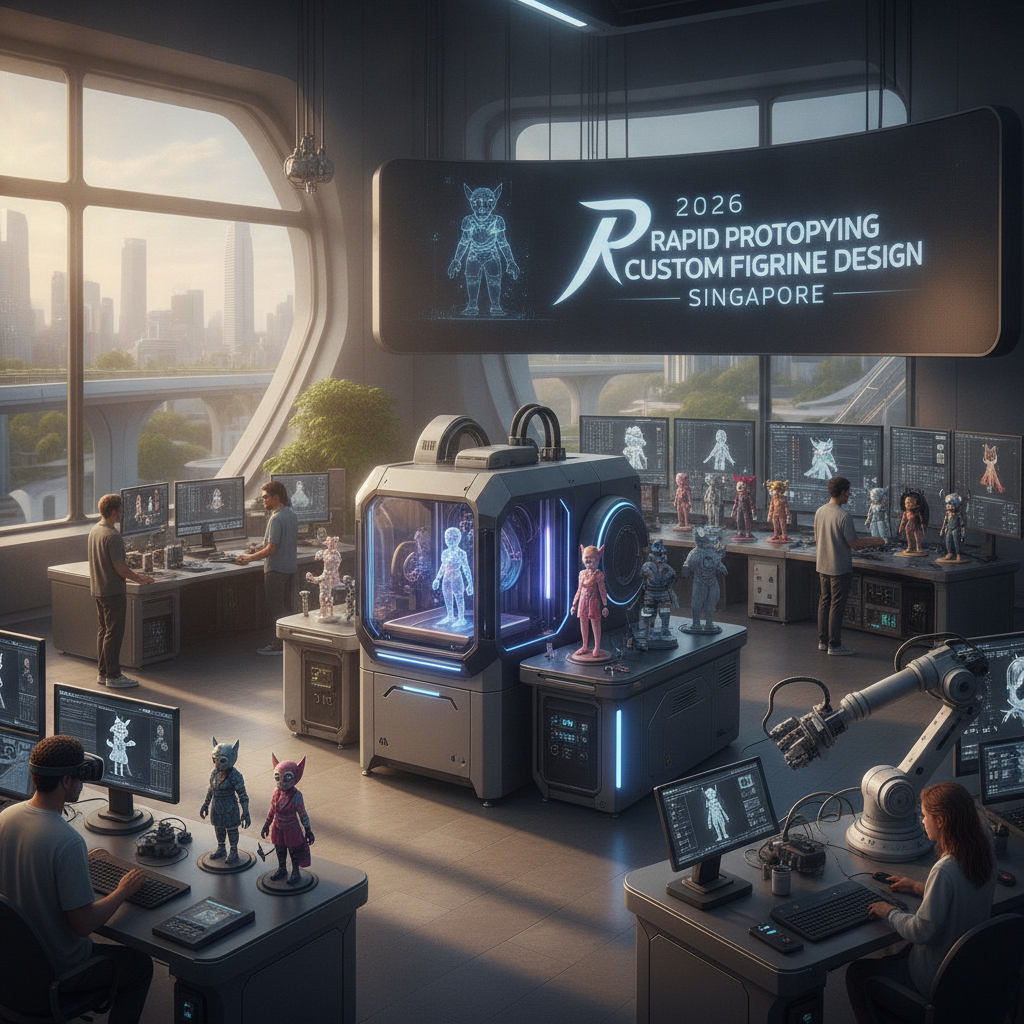
In Singapore, lead times for prototypes are often 48–72 hours for single resin parts and 1–2 weeks for small batch production, depending on finishing complexity and demand. Planning ahead is essential for coordinated release schedules and shipping timelines.
Cost factors and how to budget
Pricing depends on multiple variables:
- Part volume and size: Larger, solid pieces increase material use and printing time.
- Resolution: High-detail SLA prints cost more than low-res FDM parts.
- Post-processing: Each finishing step (sanding, painting, plating) adds labor cost.
- Quantity: Short runs are more economical with an additive approach up to a point; for higher volumes, consider mold-based production after a limited print run.
A smart strategy is to budget a realistic prototyping allowance and a separate finishing budget per unit. This avoids last-minute compromises and helps you maintain collector-grade standards.
Trends shaping art toys and collectibles in 2025
Several trends are influencing the market right now:
- Limited drops and NFTs: Physical collectibles often tie to digital releases, increasing demand for high-quality, numbered pieces.
- Sustainable materials: Recycled and biobased resins are increasingly used for eco-conscious brands.
- Multi-material and full-colour printing: Designers are experimenting with integrated colour and mixed media for richer storytelling.
- Personalization: Small-batch personalization and on-demand variants are attracting collectors who want unique items.
Singapore firms are adopting these trends rapidly, offering integrated services that combine 3D printing, finishing, and packaging to support modern release strategies.
Choosing the right 3D printing service in Singapore
When evaluating providers, compare these factors:
- Portfolio: Look for finished art toys and collectibles that match your aesthetic and quality expectations.
- Material expertise: Ensure the provider supports the resin types and coatings you require.
- Communication and DFM support: A partner who reviews files and suggests design improvements will save time and money.
- Turnaround and capacity: Confirm lead times and how they handle rush orders or repeat runs.
- Licensing and confidentiality: If your IP is sensitive, verify NDAs and data handling policies.
Visiting a local studio or requesting sample parts is a decisive step. Tangible samples reveal how well a vendor manages detail, colour fidelity and finishing.
Case examples: what successful artists are doing
Independent toy designers are increasingly using Singapore 3D printing services to launch capsule collections and artist collaborations. Common practices include:
- Producing a high-resolution prototype for press and gallery photos before a limited-run release.
- Creating modular figures with interchangeable accessories printed in different materials.
- Offering a tiered product line: a core resin figure plus a premium plated edition for collectors.
These approaches maximize reach while keeping production manageable and maintaining quality control.
Final considerations for makers and studios
The combination of advanced printers, post-processing expertise and Singapore s logistical advantage makes the island a smart choice for artists crafting premium toys and collectibles. Whether you are refining a sculpt for the first time or preparing a limited drop, using a specialised 3d printing service singapore ensures your work arrives at the standard collectors expect.
Invest in a thorough prototyping phase, specify finishes early, and partner with a provider that communicates clearly about tolerances and timelines. That approach reduces risk, preserves artistic intent, and turns a great sculpt into a collectible that stands out in a competitive market.