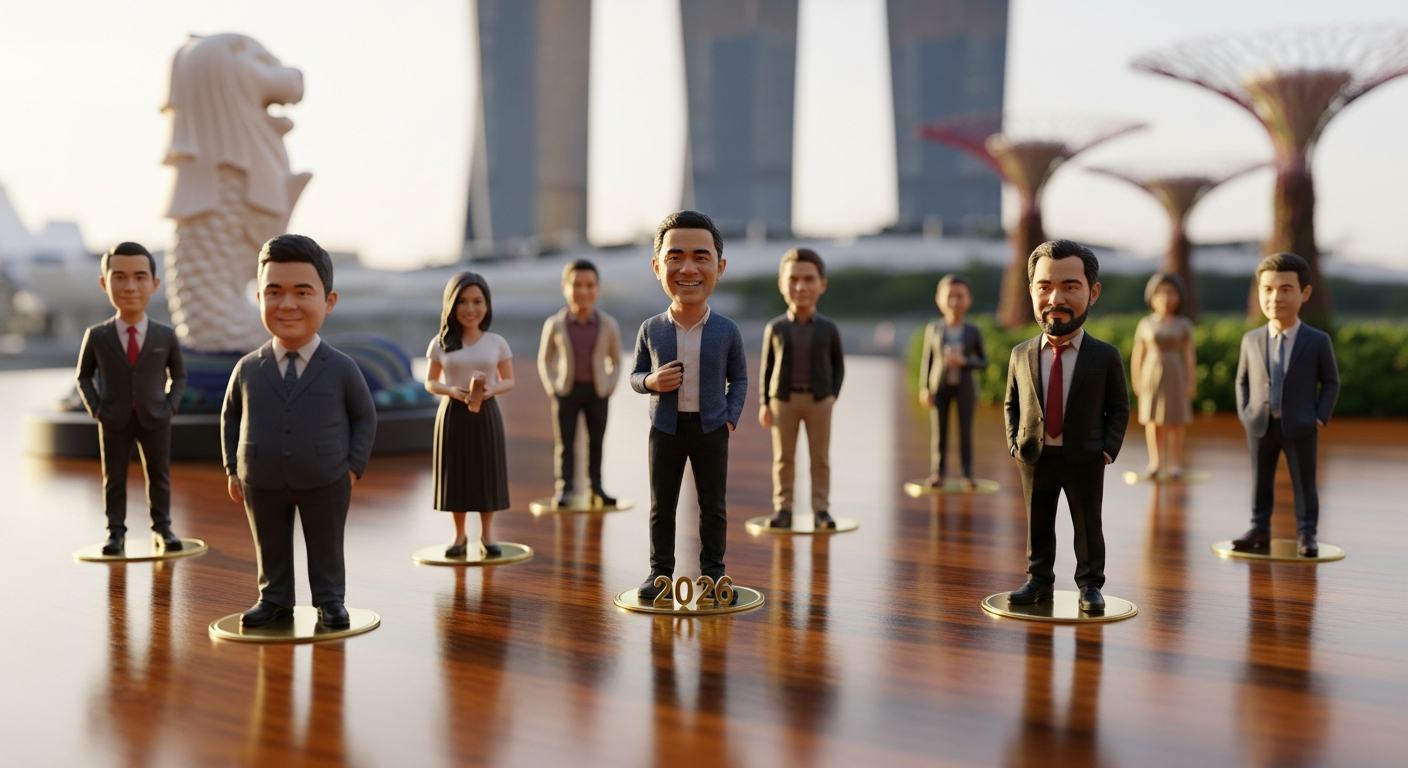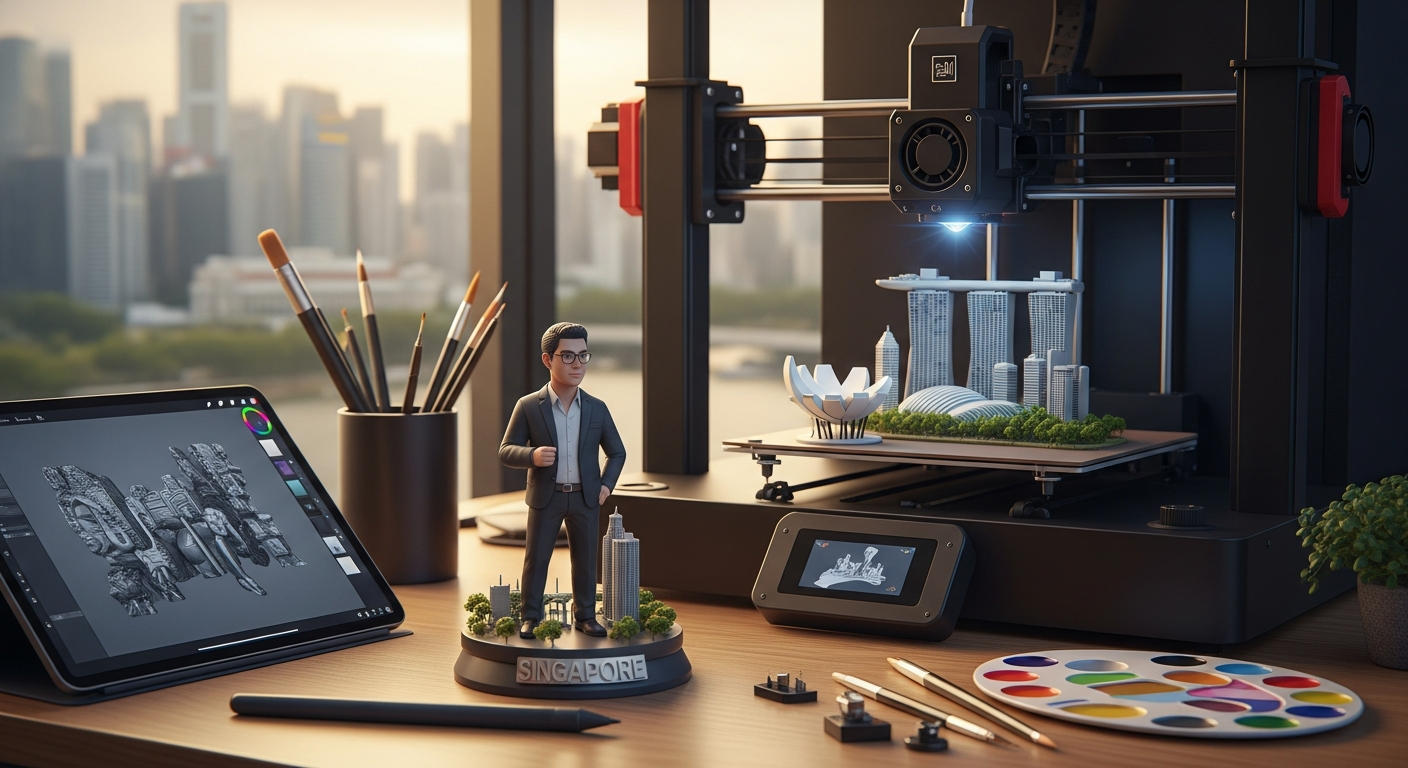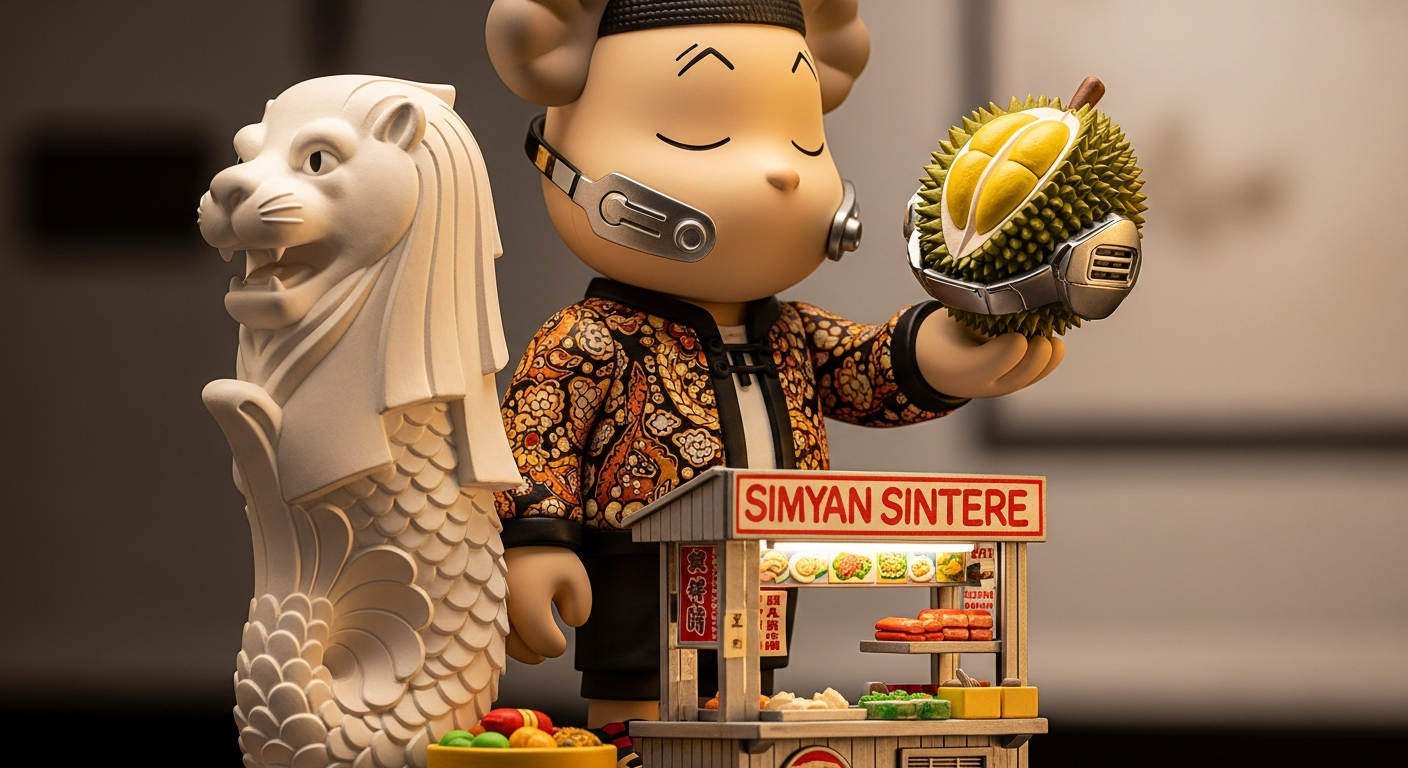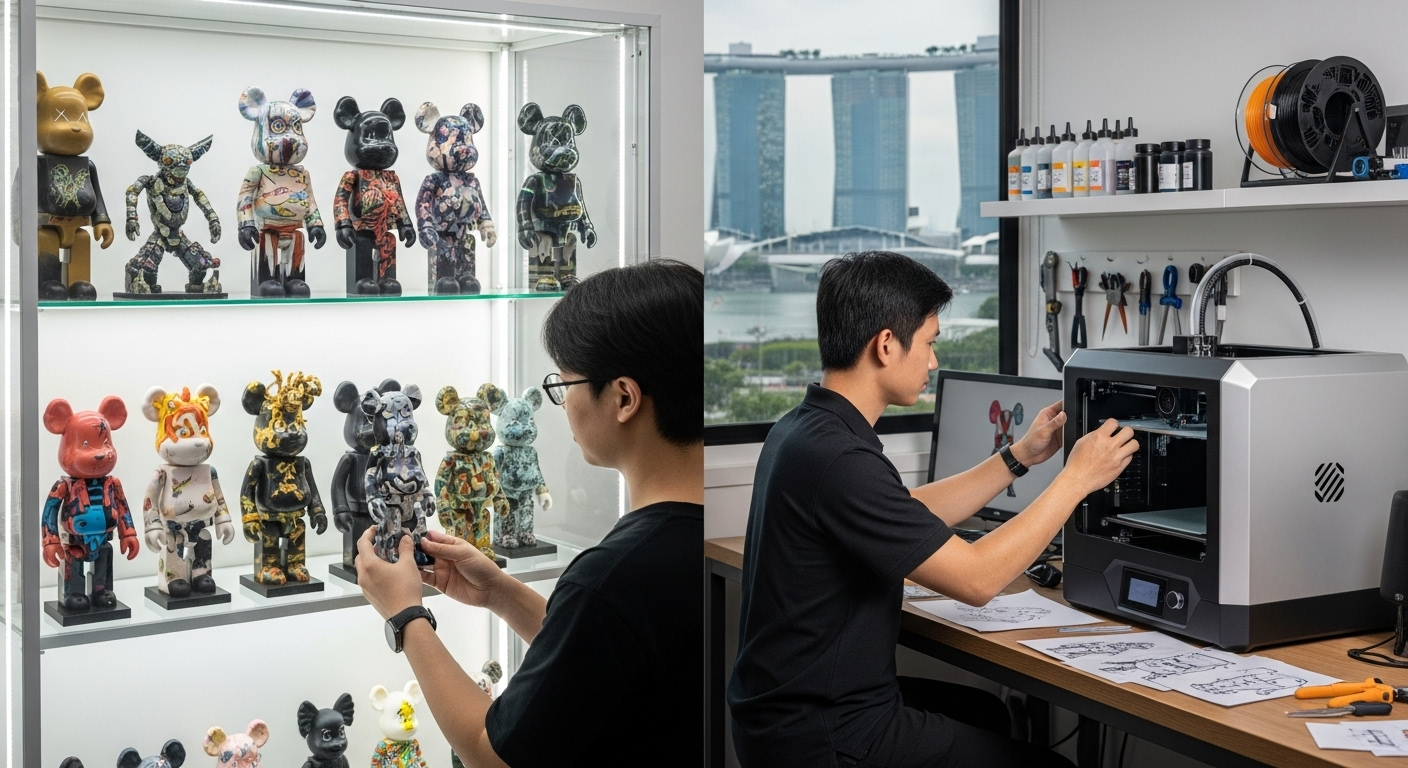
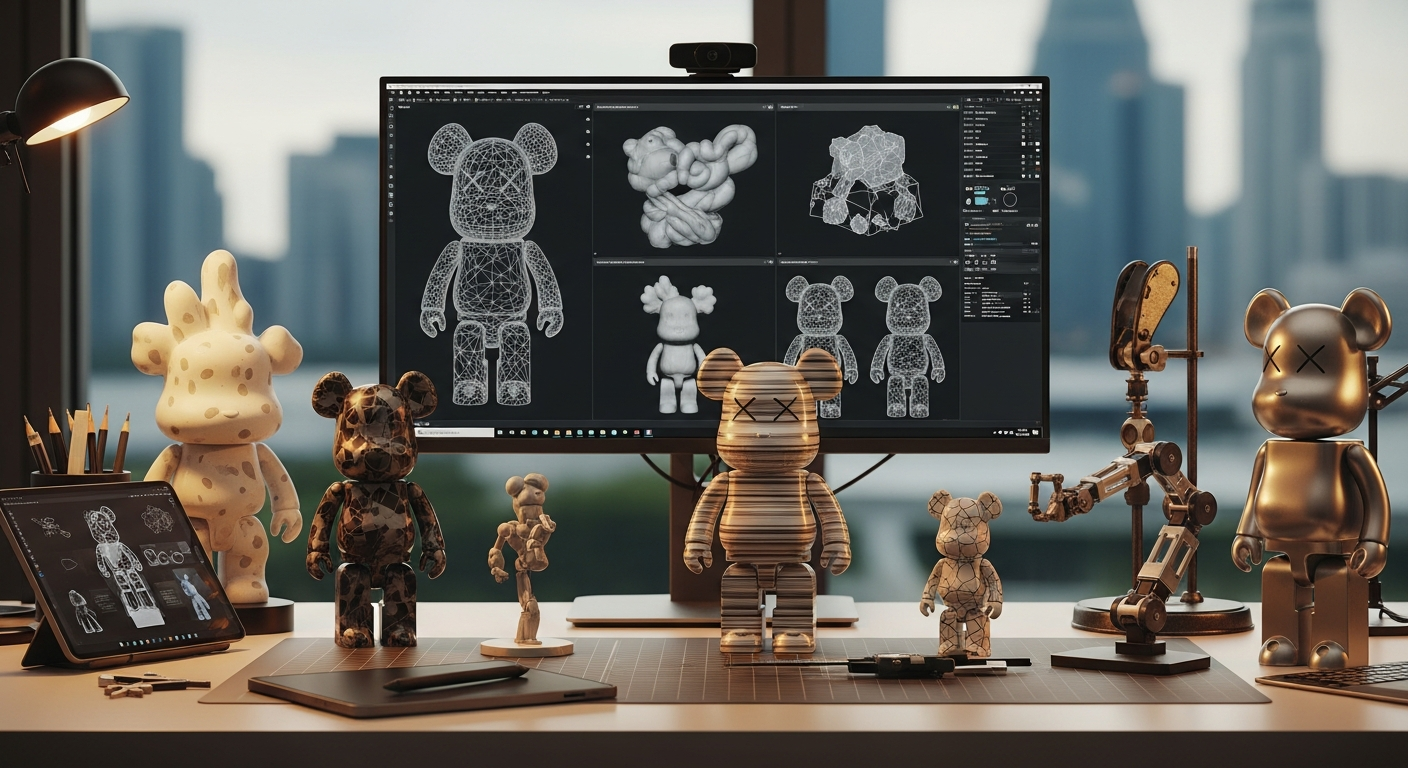

The intersection of creative collecting and manufacturing technology is reshaping how limited-run objects are conceived, produced and traded. In 2025, the art toy scene is no longer driven solely by artists and brands; collectors have become strategic partners who influence every stage of the production pipeline. That shift is particularly evident in Singapore, where local and regional demand has pushed 3D print providers to evolve beyond commodity prototyping into boutique production partners.
Collectors bring three powerful influences to the market: capital, community and standards. They fund pre-orders and group buys that make small-batch manufacturing viable. They amplify trends through social channels and curated secondary markets. And they set expectations—insisting on traceability, consistent quality, and authentic finishes. These pressures lead designers and manufacturers to adapt workflows and service offerings.
When a collector community wants a new release, they don’t just want a raw print; they want a finished piece that holds its value. That demand is changing how 3D printing studios position themselves in Singapore and beyond. Studios now routinely offer finishing, certification, and provenance services alongside manufacturing to meet collector expectations.
Art toys are evaluated as much for their sculptural fidelity and surface quality as for their concept. Collectors increasingly expect:
To meet these demands, 3D printing service providers in Singapore are investing in advanced equipment and post-processing teams. This is not just about better printers; it’s about integrated workflows that take a digital sculpt from a polygon mesh to a gallery-ready object with minimal loss of detail.
Collector behavior has catalyzed several commercial shifts among service providers:
Short-run manufacturing economics: Traditional injection molding favors large runs; collectors, however, value scarcity. Providers are offering end-to-end short-run production packages that bundle printing, professional finishing, and numbered certificates—making runs of 50–500 economically viable.
Pre-order and group buys: Studios collaborate with artists and collectors to collect deposits or full payments before production. This reduces financial risk and aligns production quantities tightly with verified demand.
Customization and co-creation: Collector demand for personalization (unique colorways, signatures, serial numbers) drives studios to adopt modular design and variable data printing techniques.
Authentication and provenance services: Blockchain-backed certificates, NFC tags, and QR-coded documentation are becoming standard add-ons for pieces intended for the secondary market.
These offerings are especially prominent among 3D printing service providers in Singapore, where close proximity to Asian supply chains and a thriving design community support flexible production models.
Singapore’s compact geography, robust logistics, and supportive design infrastructure make it a focal point for boutique manufacturing. Local makerspaces, universities and commercial studios collaborate closely, providing a pipeline of both talent and technology.
Rapid turnaround: Short shipping distances mean faster prototyping and faster iteration cycles—critical when a hype window opens and collectors demand rapid releases.
Hybrid services: Many studios in the city-state combine prototyping with artisanal finishing services, enabling creators to offer polished products without outsourcing across borders.
Regional market access: Singapore’s trade links to Southeast Asia, East Asia and Australia let designers tap regional collector bases quickly.
If you’re researching partners, consider studios that explicitly list art toy workflows and post-processing capabilities. For example, specialist studios that advertise ready solutions for art toys and small-batch collectible runs can save months of setup time when launching a limited release. See an example of how an art-centric studio positions its services at art toys.
Collectors are uncompromising about consistency. One poorly finished piece in a 200-run release can damage a brand’s reputation. In response, providers have implemented strict QC checkpoints: digital preflight reviews, master samples, color-matching protocols, humidity-controlled painting facilities, and batch-tracking.
Authentication is evolving too. Collectors increasingly demand provable provenance, which has led to partnerships between studios and authentication platforms. The result: serialized certificates, tamper-evident packaging and even digital twins for each piece. These features add perceived and real value to an art toy, feeding collector confidence and resale value. Learn more about specialized production options for collectibles at 3D printing service Singapore.
Collectors don’t just buy—they collaborate. Community votes on colorways, feature additions, or bonus accessories are now commonplace. This co-creation loop reduces market risk and creates engagement that translates directly into sales.
Studios have adapted by offering design-for-manufacture consultations, file templating for variant releases, and modular tooling that accommodates multiple editions with minimal setup. That means artists can deliver both a standard release and several collector-focused variants without excessive tooling costs. If you’re exploring options for bespoke runs or artist collaborations, check services tailored to custom figures.
Collectors increasingly care about sustainability—both for ethical reasons and long-term value. This has led to demand for recyclable resins, biodegradable supports, and responsible finishing chemicals. Singaporean studios are responding by sourcing eco-aware materials and by offering recycling or ‘buy-back’ programs for old displays and prototypes.
Using eco-friendly materials doesn’t mean compromising on quality. Advanced bio-resins and engineered polymers now deliver high-fidelity surface finish and durability suited for display pieces. More studios now disclose material data sheets and post-processing solvent handling, which resonates with conscientious collector communities.
Explore providers that combine aesthetic quality with sustainable practices when planning a release; studios that highlight both often provide better long-term outcomes for artists and collectors alike. See a profile of services catering to value-driven collectors at designer collectibles.
Start with a master sample: Produce and approve a master before committing to a full run. It reduces mismatch risk and clarifies finishing expectations.
Factor in finishing early: Painting, varnish and assembly add time and cost. Plan these as integral parts of production pricing.
Use serialized provenance: Even simple numbering and a signed certificate increase secondary-market value.
Consider staggered releases: Tiered drops (artist proofs, limited editions, and open editions) keep communities engaged and help manage production capacity.
Vet local partners: Choose studios with clear QC processes, documented workflows and transparent communication lines. Sample portfolios and case studies are vital.
For teams aiming to release collector-focused drops, studios that emphasize small-batch expertise and collector services can be a decisive advantage—check examples of boutique production workflows at limited-edition runs.
By the end of 2025, expect these trends to be entrenched:
3D printing service providers will commonly bundle manufacturing with finishing, authentication and after-sales documentation.
Collector communities will exert more influence over release schedules, colorways and scarcity levels, pushing studios to offer flexible, modular production solutions.
Provenance tech (digital twins, NFC, blockchain certificates) will become a mainstream value-add for limited runs.
Sustainability will shift from niche to expectation, with more studios offering eco-conscious material choices and transparent supply chains.
The effect is a healthier ecosystem for artists, collectors and manufacturers: better quality, faster iterations and higher confidence for buyers.
Collectors are no longer passive buyers; they are active co-creators, financiers and quality enforcers. Their preferences have nudged 3D printing service providers in Singapore to expand capabilities—from high-fidelity printing to end-to-end finishing, authentication and sustainable practice. For artists and brands aiming to thrive in the art toy market, aligning production strategies with collector expectations will be the difference between a forgettable drop and a sought-after collectible.