Why 3D printing is reshaping art toys in Singapore
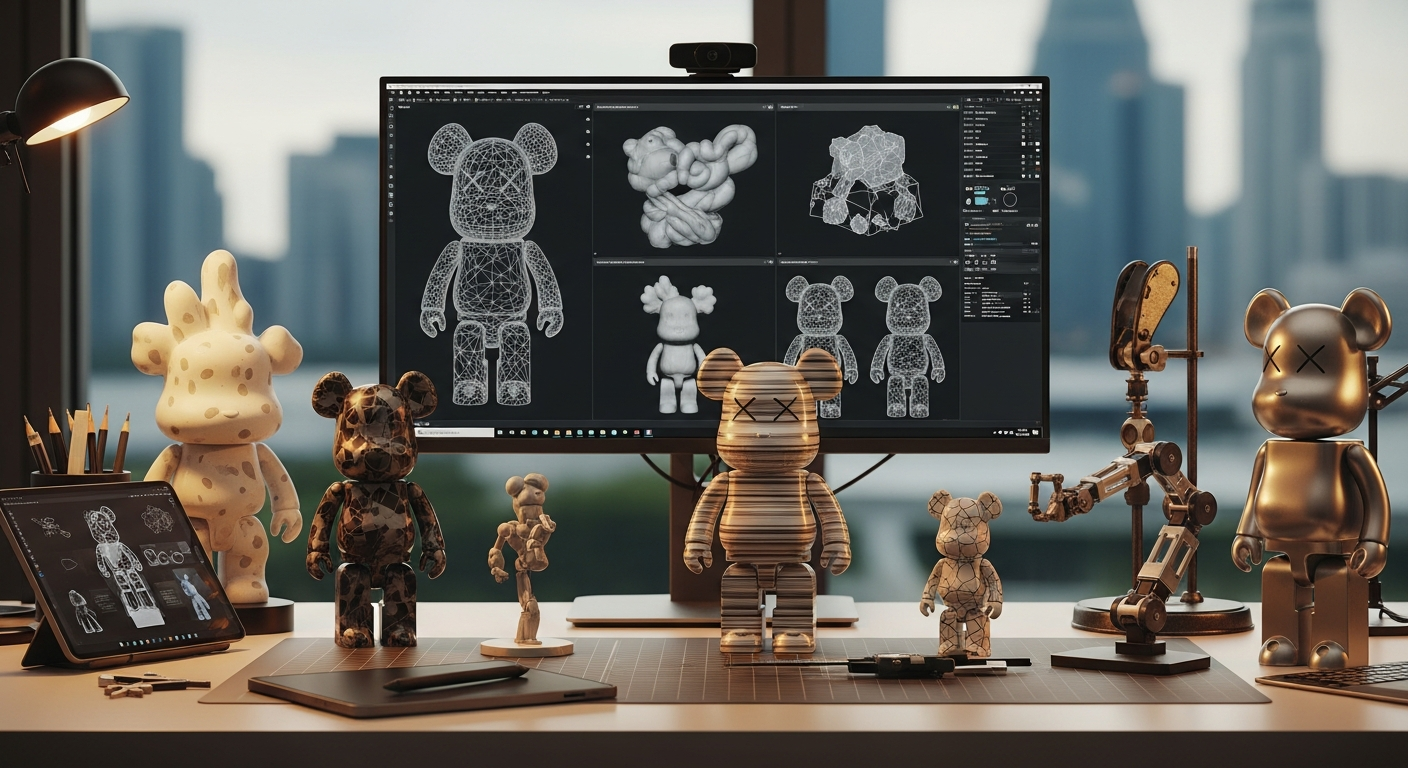
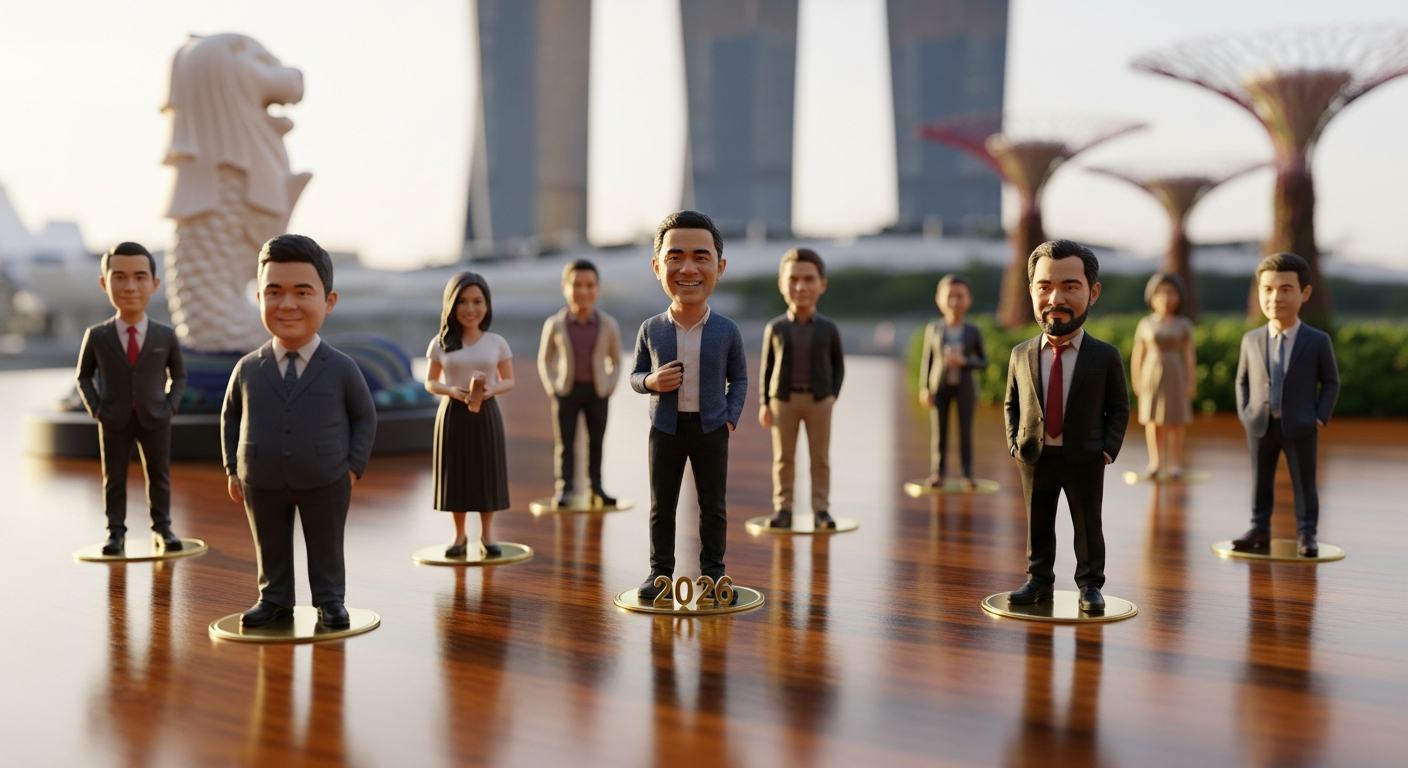
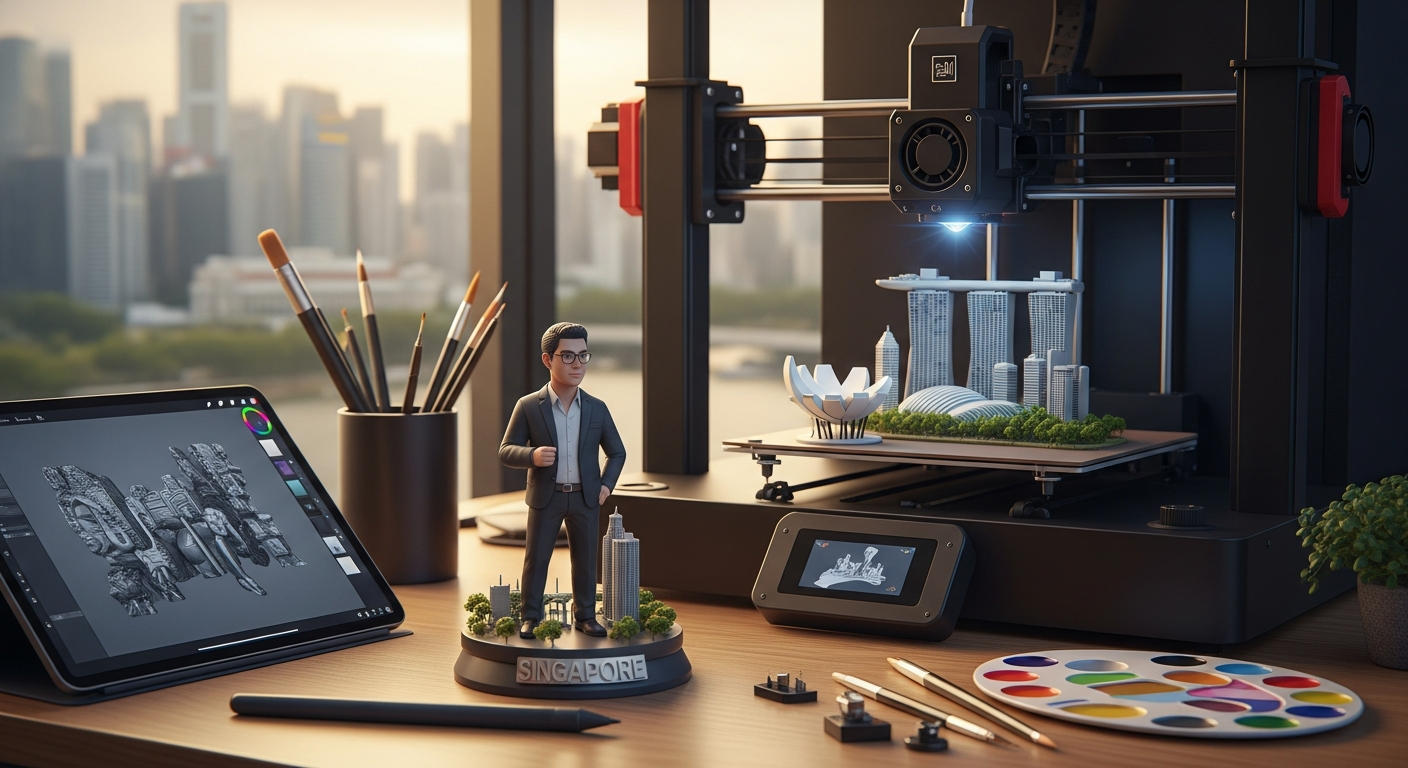
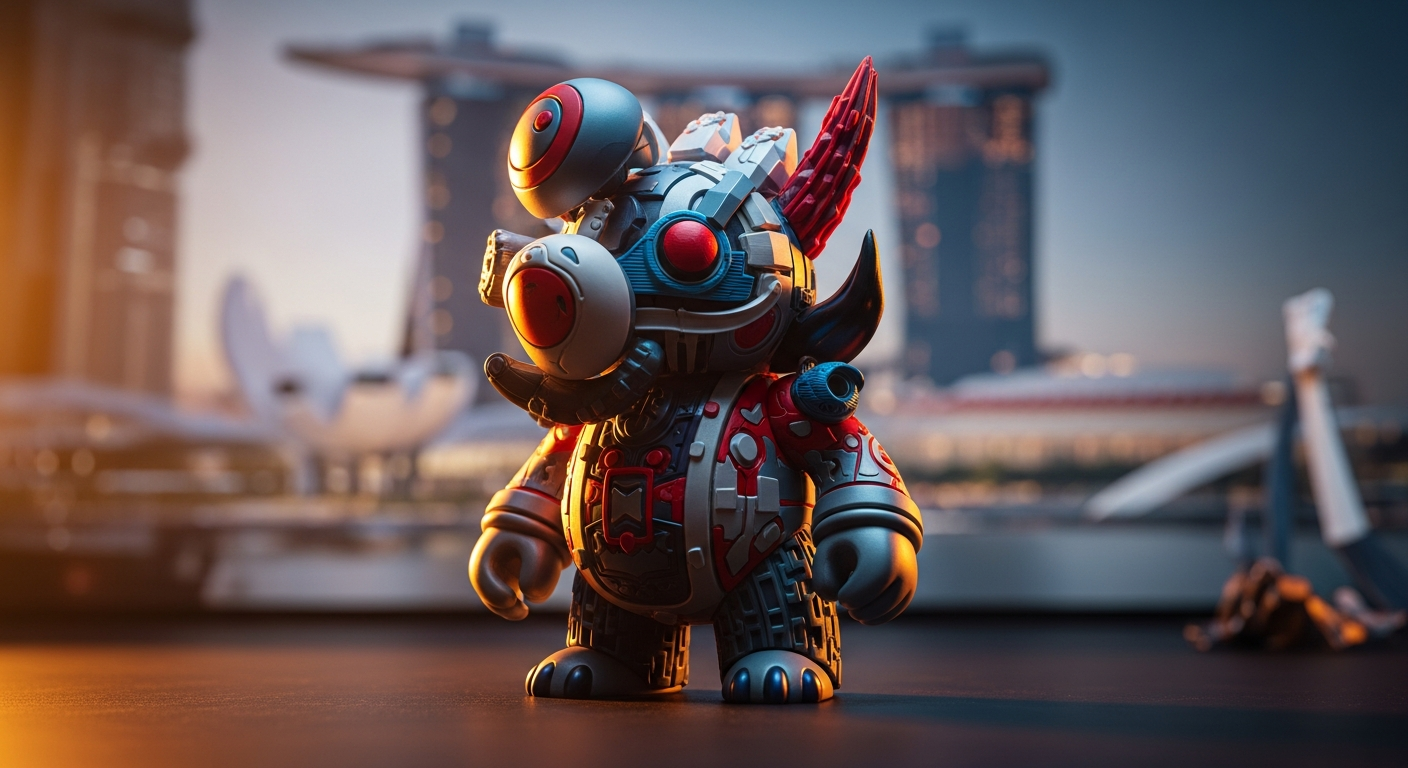
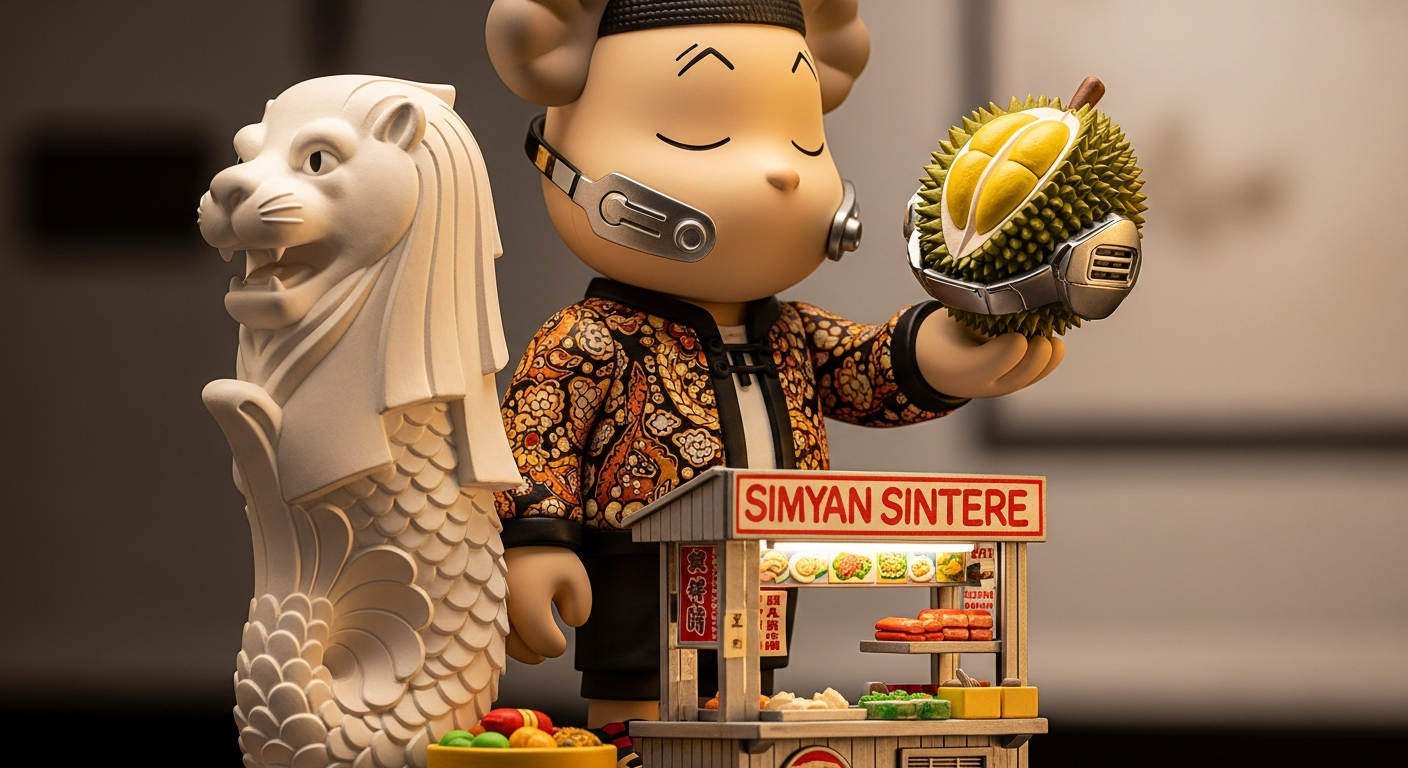
Artists and small studios in Singapore are increasingly relying on professional 3D printing service Singapore providers to translate sculpted concepts into collectible art toys. The combination of high-resolution SLA and MSLA technologies, faster workflows, and improved post-processing means designers can move from prototype to small-run production without traditional tooling costs. For 2025, expect even greater parity between prototype fidelity and production-ready pieces, making custom figurines more accessible and repeatable.
SLA and MSLA: the speed and fidelity story for 2025
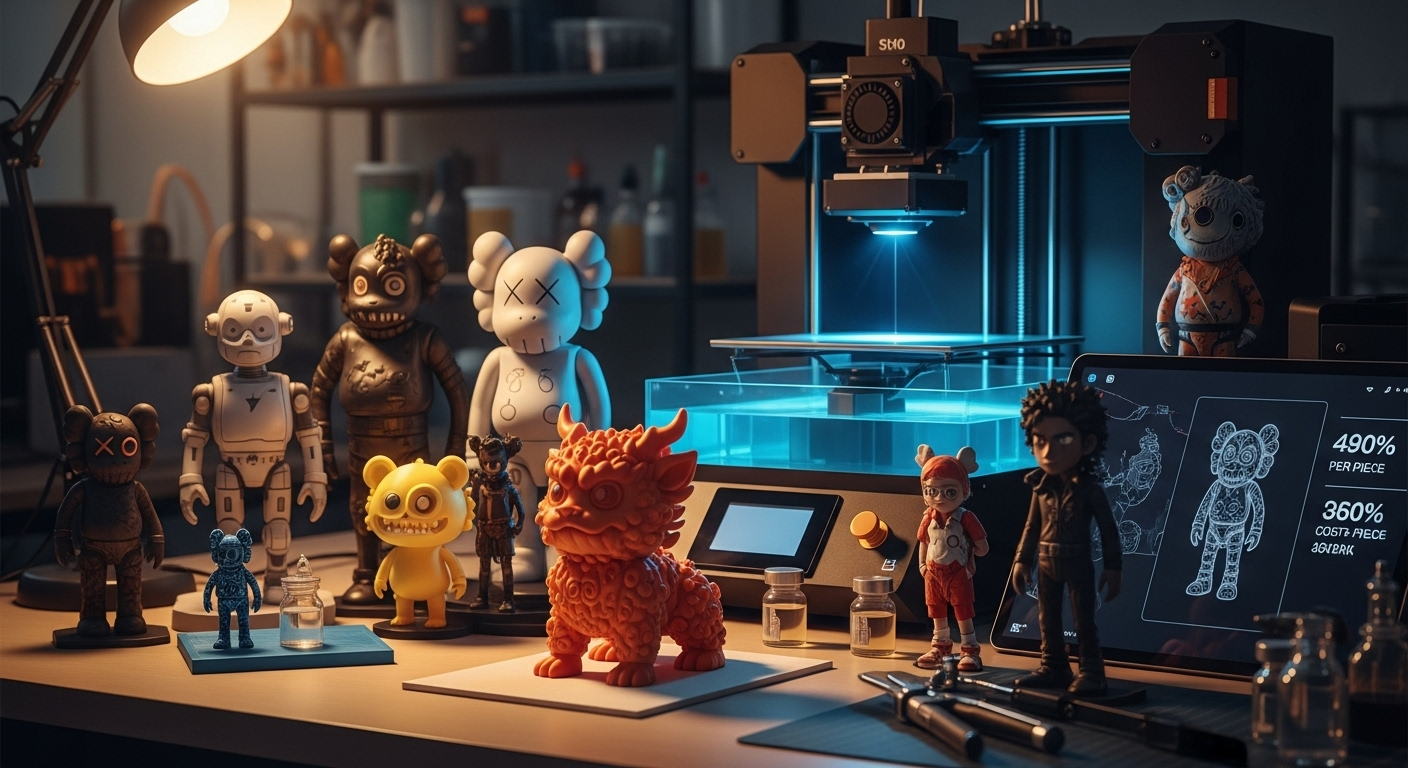
Stereolithography (SLA) remains the gold standard for surface finish and fine detail—two critical attributes for art toys. Masked SLA (MSLA), driven by high-resolution monochrome LCDs and stronger UV LED arrays, has closed the gap on both cost and speed. Key advances to watch in 2025:
- Cure times have dropped: many MSLA systems now achieve per-layer cure times of 1–3 seconds for typical art toy layer heights, cutting print time by 30–70% compared with older machines. This is especially true for small figurines where the number of layers dominates total time.
- Larger high-resolution panels: 8K and multi-plate MSLA systems let service bureaus pack more miniatures per build plate, reducing cost-per-piece for batch runs.
- Automated wash-and-cure stations integrated into service workflows cut manual labor and turnaround times by several days.
The net effect: SLA-grade detail at faster throughput, and a more predictable production lead time for custom figurines.
Typical turnaround times in Singapore (2025 benchmarks)
- Rapid prototype (single figurine, high-detail SLA): 24–72 hours for printing, +1–2 days post-processing.
- Small batch production (10–100 pieces, MSLA/SLA): 4–10 business days depending on finishing.
- Larger micro-production runs (100–1,000 pieces, packed multi-plate runs): 10–21 business days, including painting and assembly.
These benchmarks assume local service bureaus in Singapore with SLA/MSLA fleets and in-house finishing teams. Turnarounds extend if complex paint, assembly, or licensing checks are required.
Cost-per-piece: realistic benchmarks for art toys
Cost depends on size, complexity, finish, and batch size. The ranges below reflect typical market rates in Singapore-based 3d printing service Singapore providers in 2025.
- Small figurines (50–80 mm) — raw SLA print only: SGD 6–15 per piece for runs of 20–200 units. Single-piece prototyping from SGD 25–80 depending on detail and rush.
- Medium figurines (80–150 mm) — raw SLA print only: SGD 12–35 per piece for batch runs.
- Painted and finished (hand-prime, airbrush, basic tampo): add SGD 8–35 per piece depending on paint complexity.
- Full custom paint + assembly + packaging: add SGD 30–100+ per piece for highly decorated collectible runs.
How batch size affects cost-per-piece:
- Single prototype: highest cost-per-piece due to setup, orientation, and support generation.
- Small runs (10–50): unit costs drop as printing time is spread and finishing can be batch-optimised.
- Mid runs (50–300): best balance for small studios—per-piece pricing gets materially cheaper once build plates are filled and post-processing is standardised.
These figures are averages; specialised materials (flexible, engineering, or high-temperature resins) and complex post-assembly will increase costs.
Materials and finish options that matter for art toys
Material choice affects look, feel and durability. Commonly offered options by 3d printing service Singapore teams:
- Standard grey/white resin: excellent detail, ideal for painting and priming.
- Tough/ABS-like resins: better drop resistance for playable toys.
- Flexible resins: for articulated parts or soft-touch elements.
- Castable resins: for metal-plated or limited-run hybrid pieces.
- Pigmented or full-colour resin prints: achieved via full-colour binder-jet or emerging full-colour resin processes for multicolour prototypes without paint.
Finish services frequently offered:
- Basic sanding and priming: removes layer lines and prepares for paint.
- Airbrush and mask painting: cost-effective for gradients and base colours.
- Hand painting and detailing: for premium collectible runs.
- Surface sealing and protective coatings: UV-stable varnishes and water-resistant seals.
Selecting the right material and finish at the start reduces iteration costs and improves time-to-market.
Design and production tips to reduce cost-per-piece
- Hollow parts where structurally acceptable, to save resin and reduce weight.
- Use drain holes and consistent wall thickness to reduce print failures and resin use.
- Orient models to minimise supports on high-detail faces—less cleanup and fewer surface repairs.
- Nest multiple figurines and parts efficiently on build plates to maximise throughput.
- Consolidate small parts into single-print assemblies when feasible to cut assembly labor.
- Standardise colors or finishes across a run to gain economies in painting and curing.
These design-for-manufacturability steps are the clearest path to lower unit costs without sacrificing detail.
Choosing the right 3d printing service Singapore provider
Evaluate providers on these criteria:
- Equipment mix: look for modern MSLA/SLA fleets and multi-plate systems for cost-efficient batch printing.
- In-house finishing: providers that handle washing, curing, sanding, painting and QC deliver faster, more consistent results.
- Material options and certifications: check for supply chain stability and safe materials for intended use (toys vs display models).
- Turnaround and logistics: local providers reduce shipping times and customs delays—critical for limited edition drops.
- Portfolio and references: examine previous art toy projects for consistency in scale, paint quality and assembly.
Makerspaces and hobby shops are great for one-offs; professional service bureaus are better for small-series collectible production.
Sustainability and the future of art toys manufacturing
Sustainability is an emerging driver. Service bureaus in Singapore are increasingly offering:
- Recyclable and bio-based resins to reduce lifecycle impact.
- Resin reclamation and waste minimisation programs.
- Energy-efficient LED curing and automated process controls that reduce scrap rates.
For artists focused on eco-conscious collectors, these options can be a differentiator when marketing limited runs.
Pricing transparency and contract tips
Ask providers for a clear breakdown: printing, supports and prep, washing/curing, sanding and priming, painting, assembly, and packaging. Confirm minimum order quantities, tooling or jig costs for assemblies, and any rush fees. Where possible, request sample pieces or a short pre-production run to validate finish and fit before committing to a full batch.
Final checklist before you commission prints
- Confirm final dimensions, tolerances and articulation points.
- Choose materials and specify post-processing levels.
- Plan batch sizes and delivery schedule to maximise cost efficiency.
- Request proofs or painted samples for quality assurance.
- Verify licensing, IP handling and ownership if collaborating with external artists.
By following DFM practices and selecting the right 3d printing service Singapore partner, artists and studios can reliably produce high-quality art toys with predictable SLA-driven lead times and transparent cost-per-piece metrics. The 2025 landscape favors speed, detail, and small-batch economics—allowing creative teams to focus on design and storytelling while production scales with demand.