Why hyperlocal on-demand production is reshaping art toys in 2025
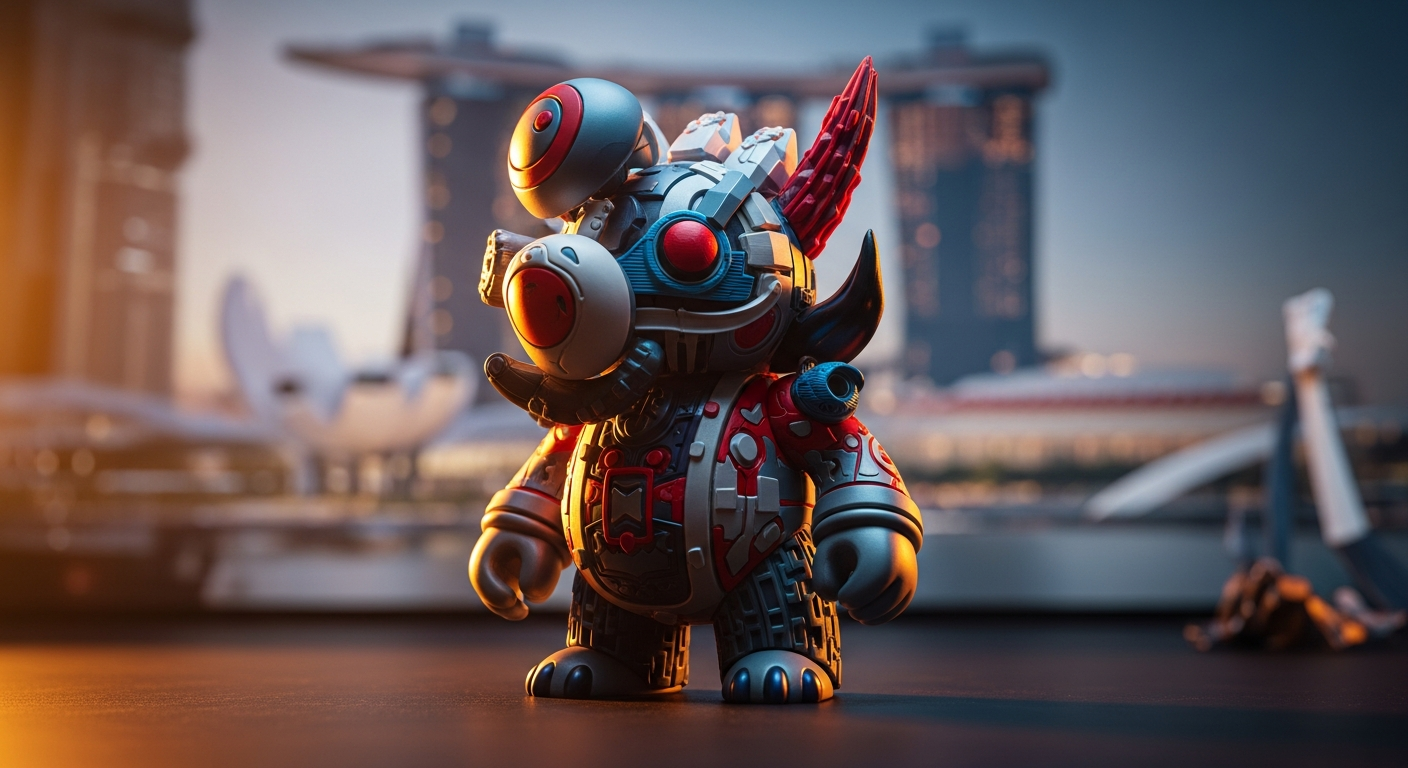
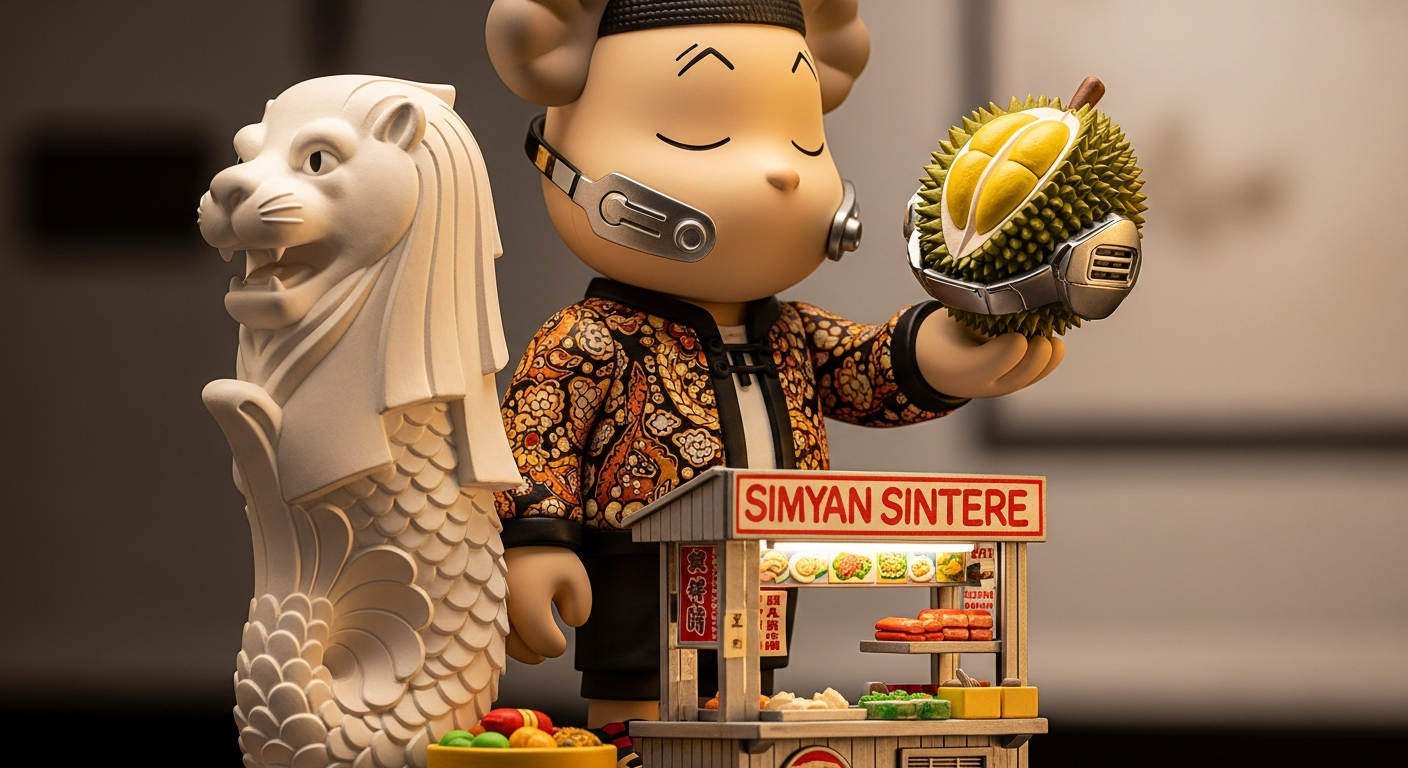
Collectors and indie designers are rewriting how limited-edition art toys reach the market. Instead of long offshore runs, hyperlocal on-demand manufacturing—driven by advanced full-color 3D printing—is enabling Singapore-based creators and brands to deliver custom figurines and small-batch editions faster, more securely, and with better quality control.
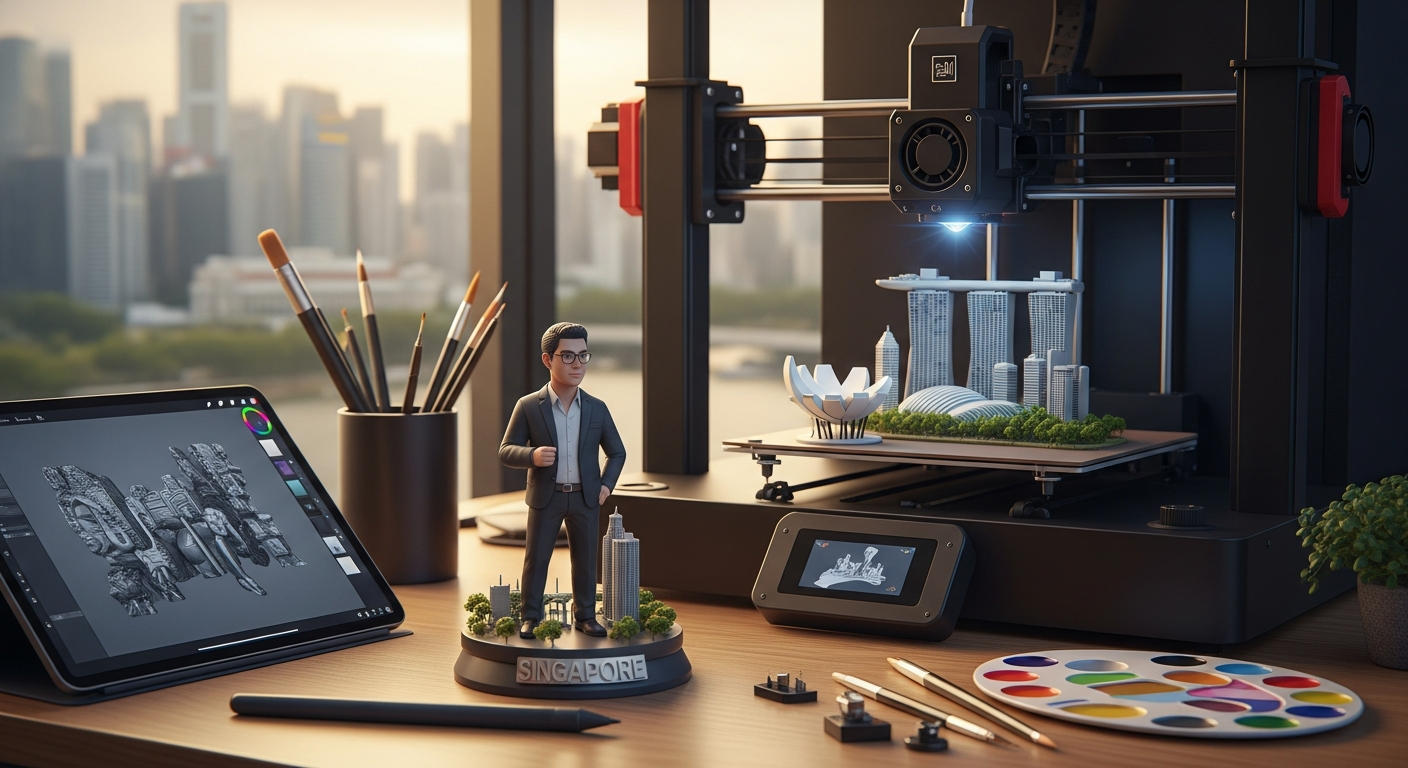
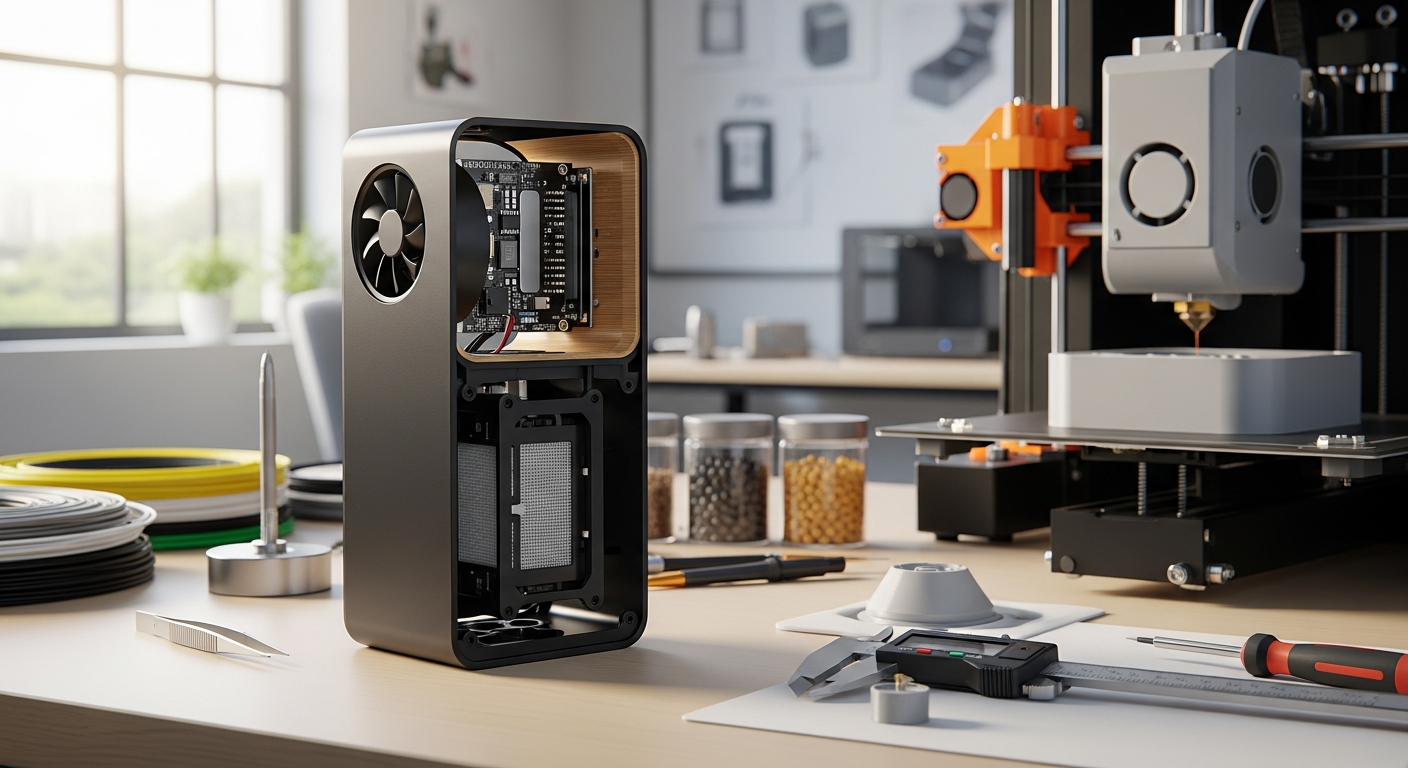
The result: highly detailed, fully textured pieces produced in quantities as low as one, with rapid iteration cycles and localized distribution. For designers and retailers using a 3d printing service singapore, that means creative freedom with less financial risk.
Key full-color 3D printing technologies for art toys
Not all 3D printing is equal when it comes to color fidelity, surface finish, and texture. The main technologies that matter for full-color art toys in 2025 are:
- Material jetting (PolyJet / Stratasys-class): excellent detail and smooth surfaces; supports multiple materials and translucency. Ideal for high-fidelity prototypes and collectible display pieces.
- Full-color inkjet/UV polymer systems (e.g., Mimaki 3DUJ family): true CMYK color gamut with striking surface color, great for directly printed toys with vivid patterns.
- Binder jetting with color sandstone: affordable, vibrant color for display collectibles but more porous and requires sealing.
- High-resolution resin printing (SLA/DLP) combined with direct-to-part full-color printing or precision painting: used when surface detail matters most, followed by color application workflows.
Emerging capabilities in 2025 include voxel-level color control (tiny color elements inside each print) and improved color profiles for matching Pantone and CMYK standards — crucial for licensed characters and high-end art toys.
Design workflow: from sculpt to full-color file
A smooth production run begins in the digital sculpting phase. Best practices for art toys:
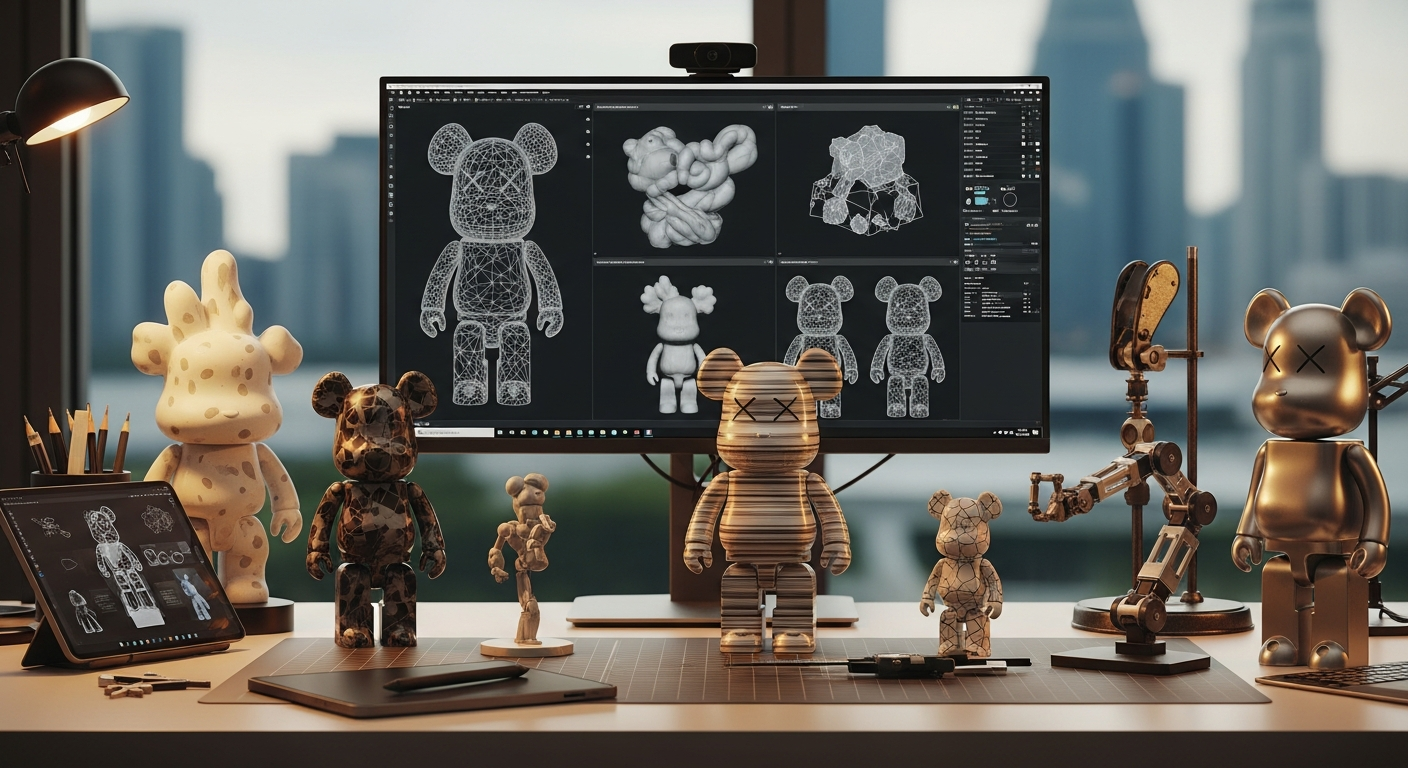
- Sculpt at high detail in ZBrush, Blender or similar. Preserve clean topology for deformation and texture baking.
- Export high-res geometry (OBJ/STL) and create a low-poly UV-mapped version for color/textures. Full-color prints need accurate UVs and baked maps (diffuse/albedo, normal, ambient occlusion).
- Hollow models where appropriate (with proper drain holes) to reduce material cost and avoid resin traps for SLA prints.
- Set minimum wall thickness according to the chosen process: material jetting can go thinner than typical filament prints.
- Include assembly features (pegs, snap-fit) if parts will be printed separately and assembled.
For color: supply high-res texture maps (PNG/TIFF) at 300–600 DPI and specify color profiles. Provide reference images and Pantone or CMYK values when color accuracy is critical.
Small-batch runs: economics, speed, and scalability
One of the biggest promises of hyperlocal 3d printing service singapore offerings is small-batch economics:
- Low MOQ: Many local services accept runs from 1–50 pieces, making limited editions viable without major upfront tooling.
- Turnaround: Prototypes can be produced within 24–72 hours. Small-batch runs typically ship within a few days to 2 weeks depending on finishing.
- Cost drivers: size, complexity, color saturation, post-processing (hand-painting or coatings), and quantity. Full-color prints carry a premium compared with single-color prints but eliminate manual painting costs.
- Pricing models: per-part pricing often drops significantly with modest batch sizes due to shared setup and printing stacking efficiencies.
For designers, this means testing variations (colors, finishes, accessories) across small runs to identify best-sellers before committing to larger production.
Finishing, coatings, and post-processing options
Finishing separates a good art toy from a great one. Common finishing processes offered by Singapore services include:
- UV-cured varnishes (matte, satin, gloss) to protect printed color and control sheen.
- Sanding and polishing for material jetting parts to remove layer lines and improve hand feel.
- Hand-painting and airbrushing for premium accents or limited signatures.
- Pad printing or tampography for consistent logos and tiny details.
- Metal plating or electroforming for metallic effects.
- Protective sealing for binder-jet colors to reduce dusting and increase longevity.
Ask providers for photography of finished samples and inquire about consistency between batches — collectors expect uniform quality in numbered runs.
Safety, materials and sustainability considerations
In Singapore, offering compliant art toys is crucial if pieces could be sold to wider audiences. Look for providers who understand:
- Material safety and applicable toy standards (EN71, ASTM where relevant). For display-only collectibles, these standards may be less strict, but transparency on materials is essential.
- Low-VOC coatings and water-based inks for safer indoor handling.
- Biobased filaments and recyclable resins to support circular-design approaches.
Hyperlocal production reduces shipping emissions and makes end-of-life recycling or take-back programs more feasible—an important selling point for eco-conscious collectors and brands.
Why choose a 3D printing service in Singapore for art toys
Singapore combines advanced manufacturing infrastructure with strong IP protection and a creative ecosystem. Advantages include:
- Speed: short transport distances and fast customs-free domestic distribution in the city-state.
- Quality control: easy in-person collaboration, iteration, and approvals with vendors.
- IP protection and legal frameworks favorable to designers and licensors.
- Proximity to APAC markets for pre-orders and regional fulfillment.
- Networking: access to design studios, galleries, and manufacturing partners for special collaborations and pop-up events.
These factors make Singapore an attractive base for creators aiming to launch hyperlocal, limited-edition art toy lines.
Choosing the right 3D printing service — checklist for artists and brands
When evaluating vendors, ask for:
- Examples of past art toy projects or collectible figurines and close-up photos of finishes.
- The exact full-color technology they use and color-matching capabilities.
- Minimum order quantities, typical lead times, and scalable pricing tiers.
- Handling of IP: NDAs, file storage, and contract terms for exclusivity.
- Post-processing services available (coating, painting, packaging) and whether they handle serial numbering and certificate inserts.
- Safety certifications and material data sheets (MSDS).
- Local logistics solutions (fulfillment and return handling) if you plan to sell directly.
Use cases: how creators are using on-demand full-color printing
- Limited editions: numbered runs of 10–200 pieces with unique colorways and artist signatures.
- Proof-of-concept and gallery prototypes: ultra-detailed concept pieces for press and exhibitions.
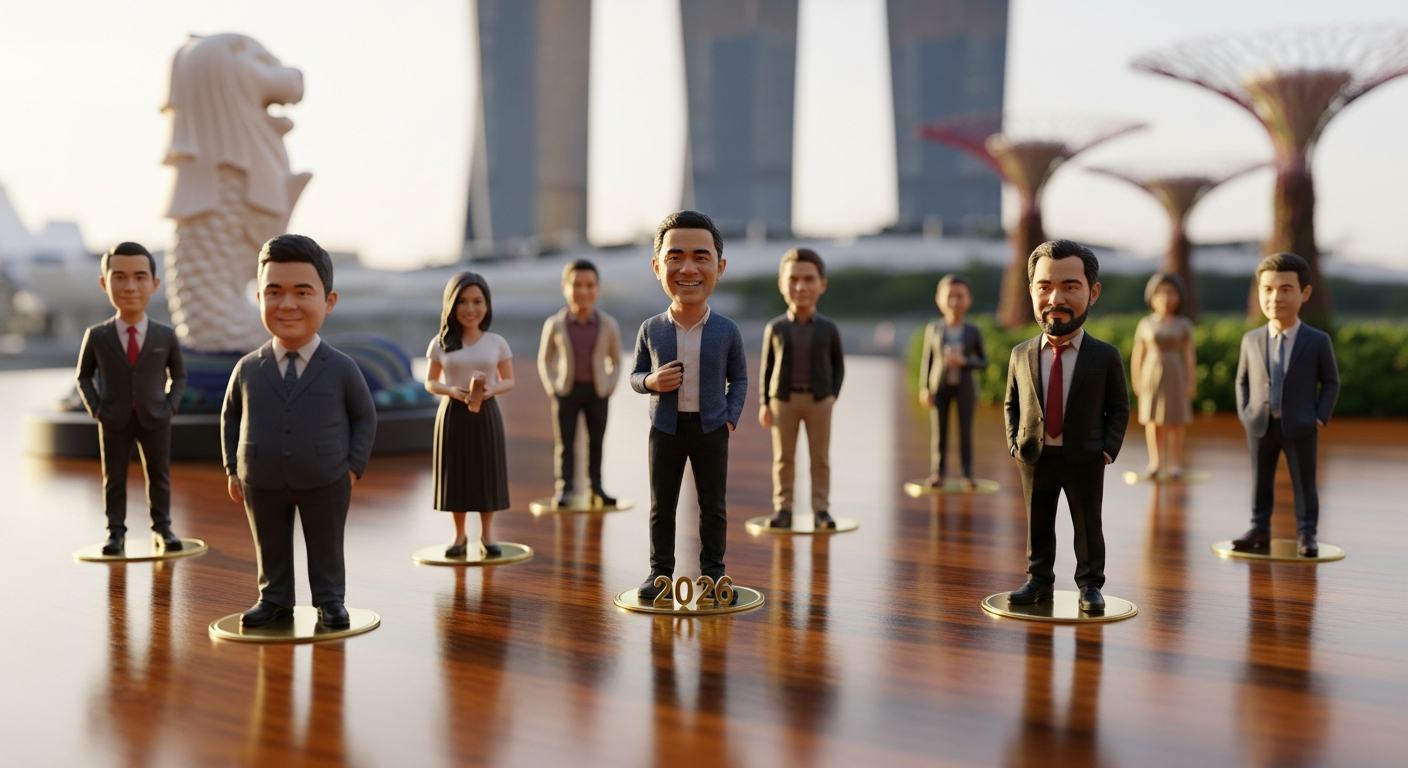
- Custom commissions: bespoke collectibles for clients with direct-to-consumer fulfillment.
- Merch drops for musicians, designers, and brands that want hype-driven scarcity without large tooling costs.
Practical tips to get started quickly
- Start with a single highly detailed prototype and test multiple surface finishes before committing to a small-batch run.
- Use AR previews and 3D viewers (GLB/GLTF) to pre-sell variants and validate demand.
- Price in post-processing labor for limited runs; even small hand-painted accents significantly increase perceived value.
- Keep packaging local and customizable—numbered certificates, COAs, and eco-friendly boxes boost collector appeal.
Local, full-color 3D printing in Singapore has matured into a practical and strategic choice for art toys in 2025. By combining advanced printing technologies, thoughtful design practices, and hyperlocal manufacturing advantages, creators can launch compelling limited editions, iterate rapidly on new concepts, and offer collectors richly detailed figurines without the traditional barriers of offshore production.