
Introduction
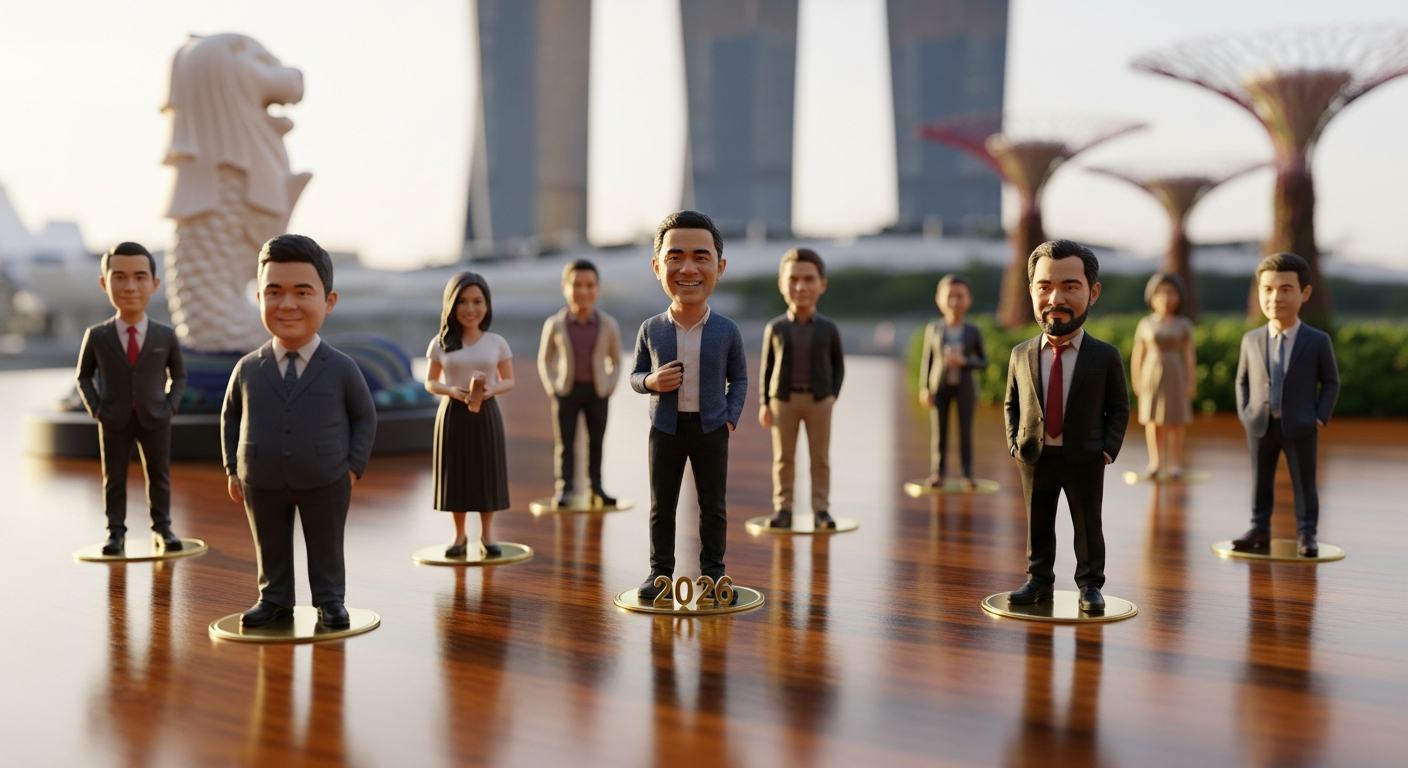
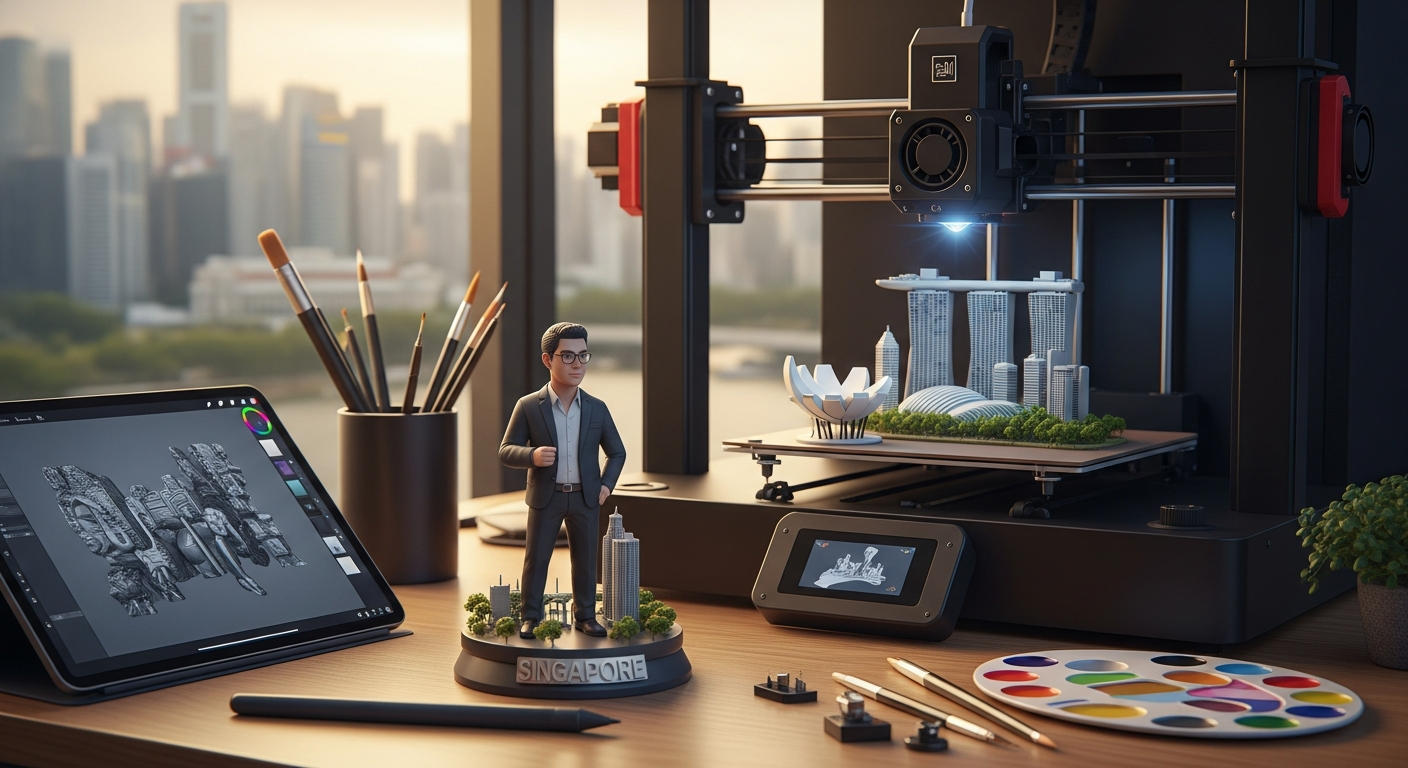
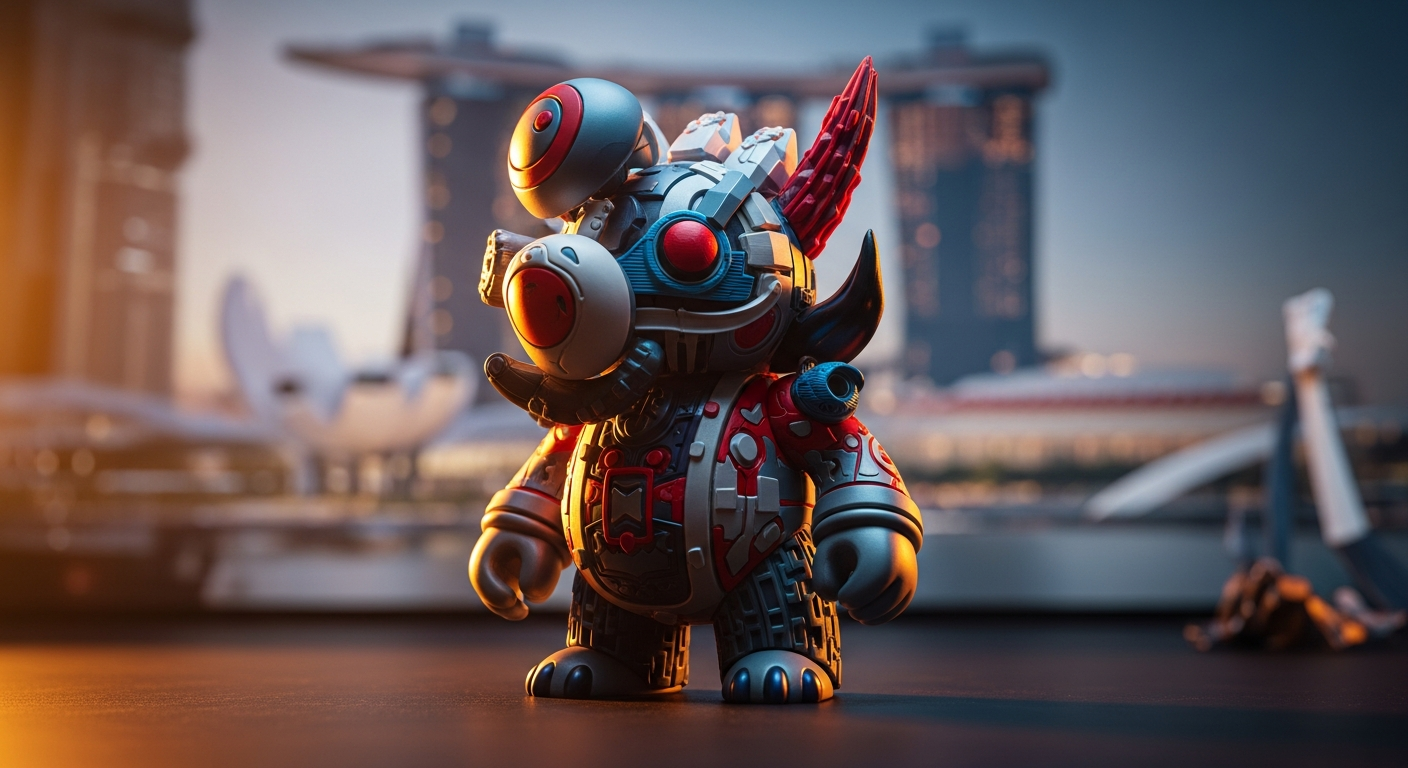
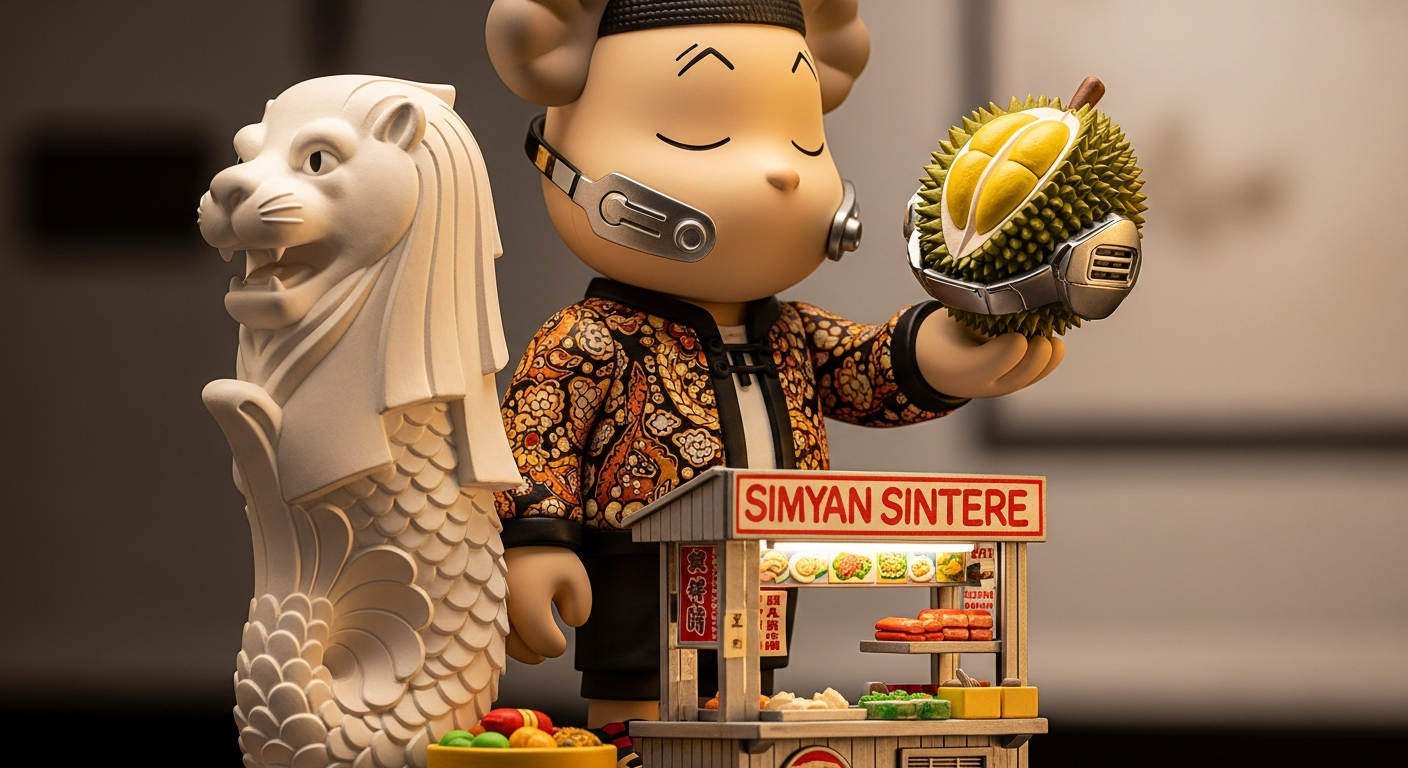
Singapore’s art toy scene has matured into a vibrant, collectible market where design, storytelling and craftsmanship meet. In 2025, more local artists are using 3D printing to go from sketchbook to limited-run collectible without relying on overseas mass production. This playbook is a practical guide to help you design, prototype and scale art toys using a 3d printing service singapore — with real-world tips on materials, workflows, costs and trends to watch.
Start with a clear concept and production plan
- Define the story and scale. Art toys sell on narrative and detail. Decide character backstory, articulation points, colorways and target size (commonly 80–250 mm for collectibles).
- Decide edition size early. Limited runs (50–500 pieces) influence material choice, finishing approach and whether to use 3D printing exclusively or combine with silicone mold casting for small batches.
- Set a target retail and production cost per unit. Knowing price targets helps you choose between high-detail resin prints or cost-effective FDM prints used as masters.
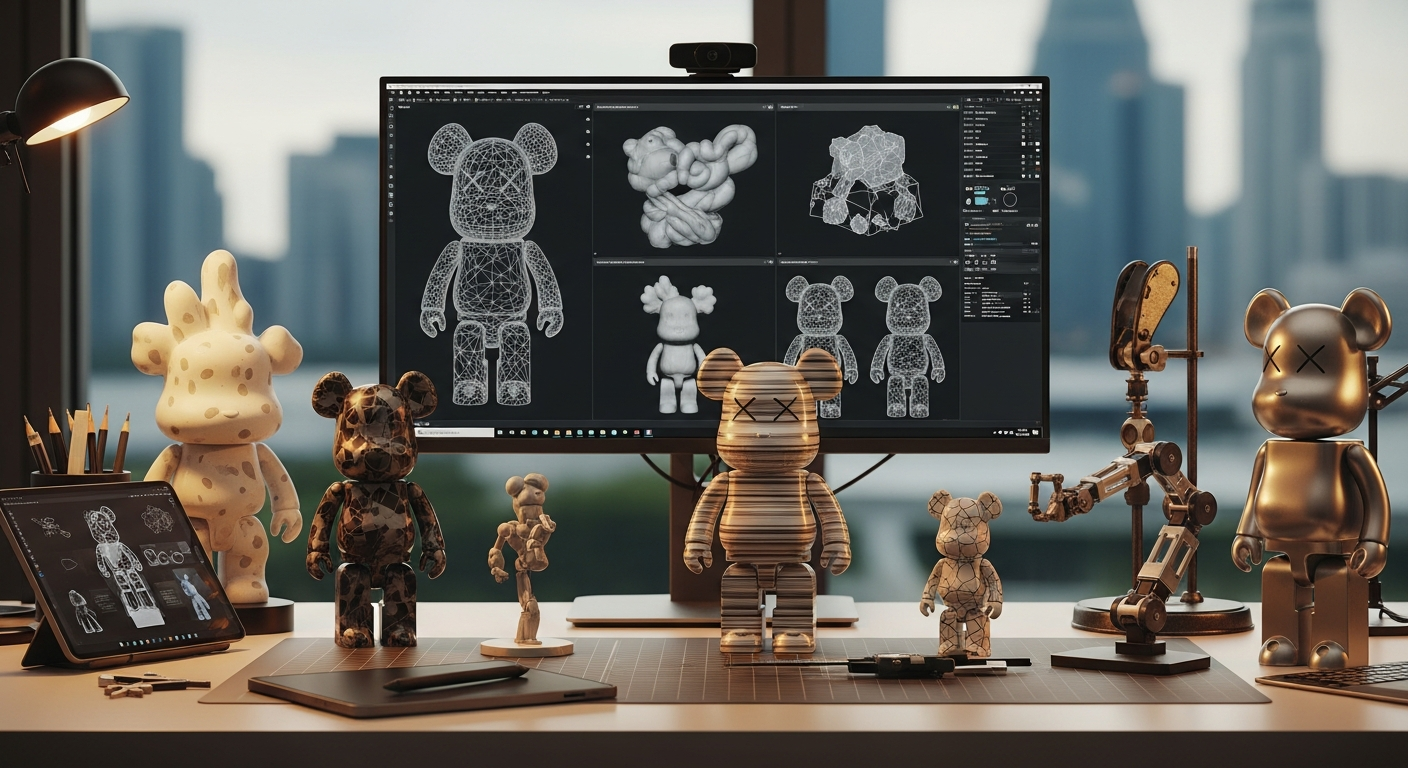
3D modeling and file prep for production
- Model with manufacturing in mind. Work with clean topology, proper wall thickness, and separate parts for joints, plugs and sockets. Minimum wall thickness depends on tech — typically 1.0–2.0 mm for resin, 1.2–3.0 mm for plastic.
- Tolerances and fit. Plan for tolerance on pegs, snap-fits and threaded parts. Ask your 3d printing service singapore about their recommended tolerances for assembly.
- Hollowing and drainage. Hollow large solids to save cost and reduce print time. Include drainage holes for resin printing to avoid trapped liquid.
- Export formats. Most shops accept STL or OBJ; some prefer STEP/IGES for assemblies. Check requirements in advance.
Choosing the right 3D printing technology and materials
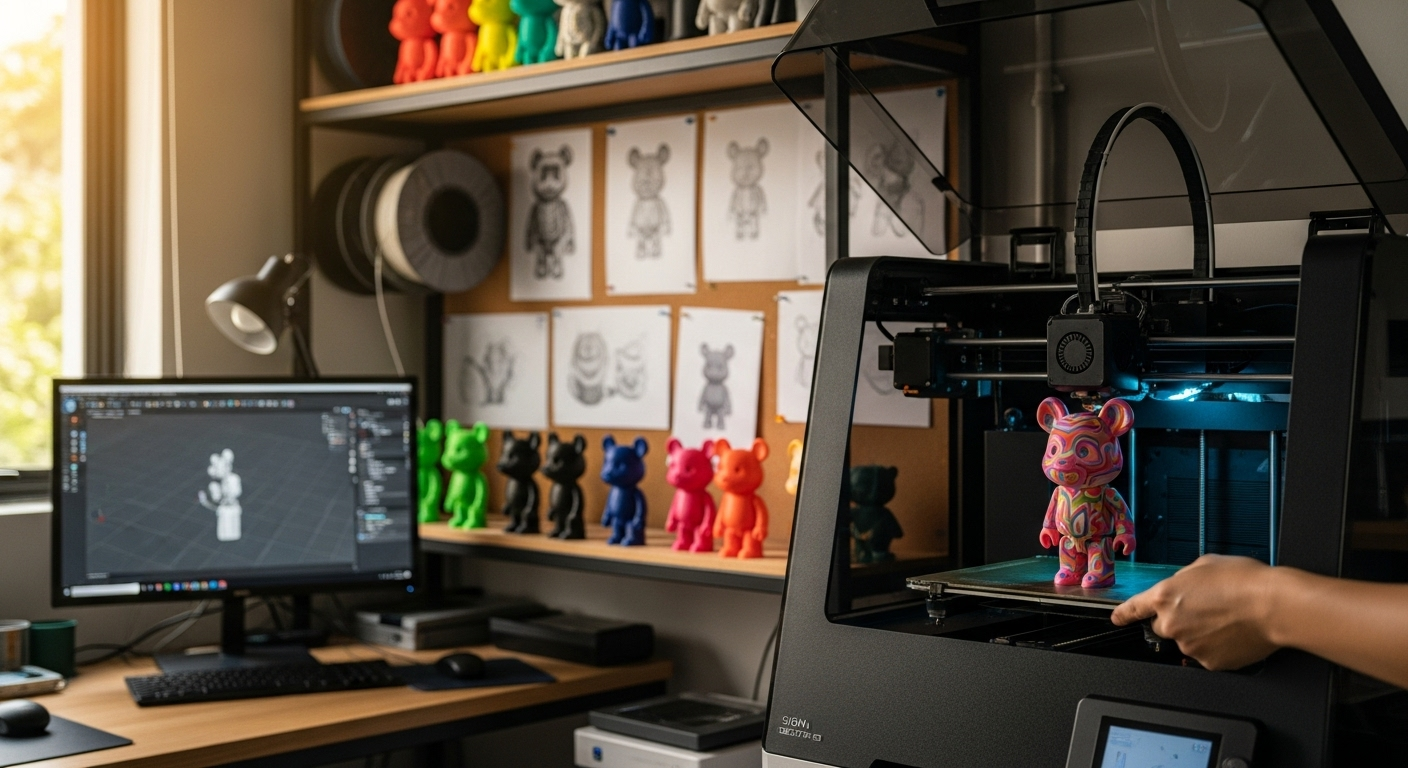
- SLA/DLP (resin) — Best for high detail, smooth surfaces and small parts. Ideal for limited runs with paint-ready surfaces. Common resins: standard, tough, castable and flexible.
- SLS (nylon) — Durable, good for interlocking parts and functional prototypes; finishes are grainy unless polished. Useful when you need strength and flexibility.
- FDM — Cheapest for larger prototypes or masters for molds. Layer lines require sanding and filler for a premium finish.
- Full-color & multi-material — Emerging color printers are useful for proof-of-concept colorways, but post-painting still dominates collectible finishes.
- Sustainable materials — Biodegradable resins and recycled nylon are trending in 2025. Ask providers about eco options if sustainability is part of your brand.
What to ask a 3D printing service in Singapore
- Turnaround and capacity. How long from file to finished part? Can they handle consistent monthly runs if you restock?
- Layer resolution and part accuracy. Request sample parts or reference tolerances.
- Post-processing options. Do they offer support removal, sanding, primer, and base coats? Painting and assembly services?
- Finishing and color matching. Can they provide factory priming, UV-stable base coats, or lacquers suitable for collectibles?
- Cost breakdown. Get quotes for prototyping vs small-batch production and any volume discounts.
- IP, confidentiality and file storage. Confirm NDAs or file handling if your design is sensitive.
Prototyping: iterate fast, iterate smart
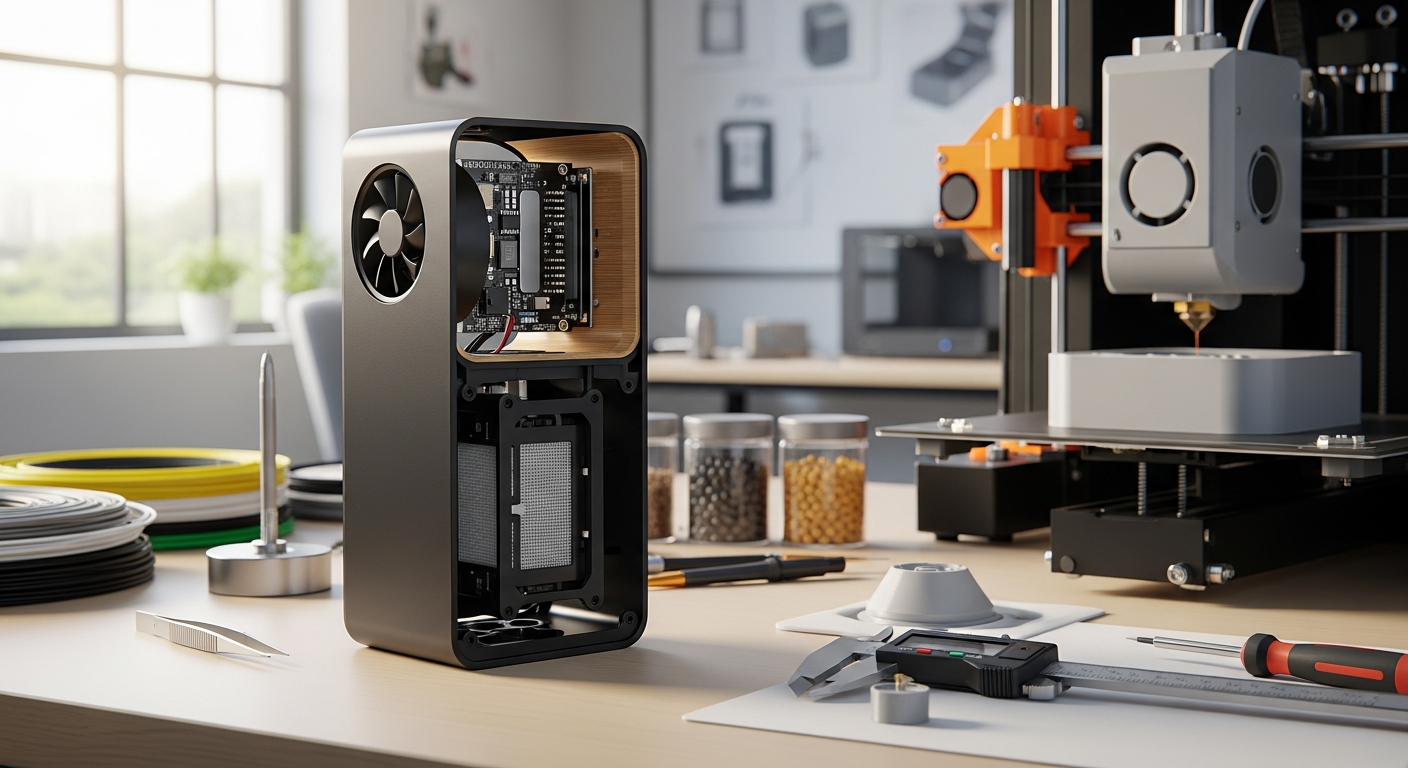
- Start with FDM proof-of-form prints to check scale and ergonomics. These are inexpensive and fast.
- Move to resin SLA for a high-fidelity prototype that shows surface detail and paint tests. Use this for final approvals and color separations.
- Test assembly and articulation. Repeatedly assemble and disassemble parts to ensure durability and ease of production.
- Use prototypes to finalize packaging fit and display requirements.
Scaling limited runs: workflows that save time and money
- Hybrid approach. Many artists 3D print masters via SLA, then create silicone molds and cast in resin for runs of 50–500 pieces. This is faster and often cheaper than printing every piece.
- Direct print runs. For very small editions (under 50) or extremely detailed pieces, printing each unit in resin may be viable — factor in labor for post-processing.
- Batch planning. Organize prints to maximize printer bed usage. Combine multiple parts in a single print job when possible to reduce per-unit cost.
- Numbering and certificates. Laser engraving or pad-printing can add serial numbers and authenticity marks. Coordinate this with your 3D printing service or a local finishing vendor.
Post-processing, painting and finishing
- Surface prep. Resin parts typically need washing, UV curing and sanding. SLS parts require bead blasting or tumbling for smoother finishes.
- Priming strategy. Use adhesion primers designed for the material. For collectible-grade finishes, wet-sanding between primer coats yields best results.
- Paint techniques. Airbrushing offers smooth gradients and consistent colorways. Hand-painted details add uniqueness for premium limited editions.
- Protective topcoats. Use UV-resistant varnishes to prevent color fade and add desired sheen (matte, satin, gloss).
Cost, timelines and realistic expectations
- Prototype stage. Expect 1–3 weeks for initial prototyping, depending on revisions and service workload.
- Typical costs. A detailed SLA prototype can range from S$50–S$400 depending on size and complexity. Small-batch per-unit cost varies widely: printed resin units might be S$20–S$150 each; cast resin runs can lower per-unit cost beyond ~50 pieces.
- Shipping and customs. Working with a local 3d printing service singapore minimizes shipping time and customs surprises compared with overseas suppliers.
Packaging, launch and community strategies
- Design packaging to protect fragile parts and enhance perceived value. Limited editions benefit from numbered boxes, artist cards and serialized certificates.
- Build hype locally. Leverage Singapore’s designer toy events, pop-up stores and social communities on Instagram and Discord to launch limited runs.
- Collaborations and drop culture. Limited colorways, artist collabs and timed drops remain effective ways to create scarcity and engagement in 2025.
Legal, IP and practical tips
- Protect original designs. Consider copyright or design filings where applicable, and use NDAs with production partners as needed.
- Licensing. If you plan collaborations or use third-party IP, secure licenses before production.
- Quality control. Inspect first-off samples carefully. Create a checklist for tolerances, paint quality and assembly before greenlighting the full run.
Quick checklist for your first limited-run release
- Finalize design and edition size
- Prepare print-ready files with correct wall thickness and tolerance
- Prototype via FDM then SLA/DLP
- Choose print vs mold cast strategy based on edition size
- Confirm finishing, painting and numbering options with vendor
- Order first-off sample for QC
- Plan packaging and launch timeline
Conclusion
3D printing service singapore options in 2025 give artists unprecedented control over the creative and production process. By combining smart design, the right material and a hybrid production approach, you can deliver collectible-quality art toys in limited runs that reflect your vision and sustain your brand. Follow the steps above, work closely with local providers, and iterate — the market rewards originality executed with craftsmanship.