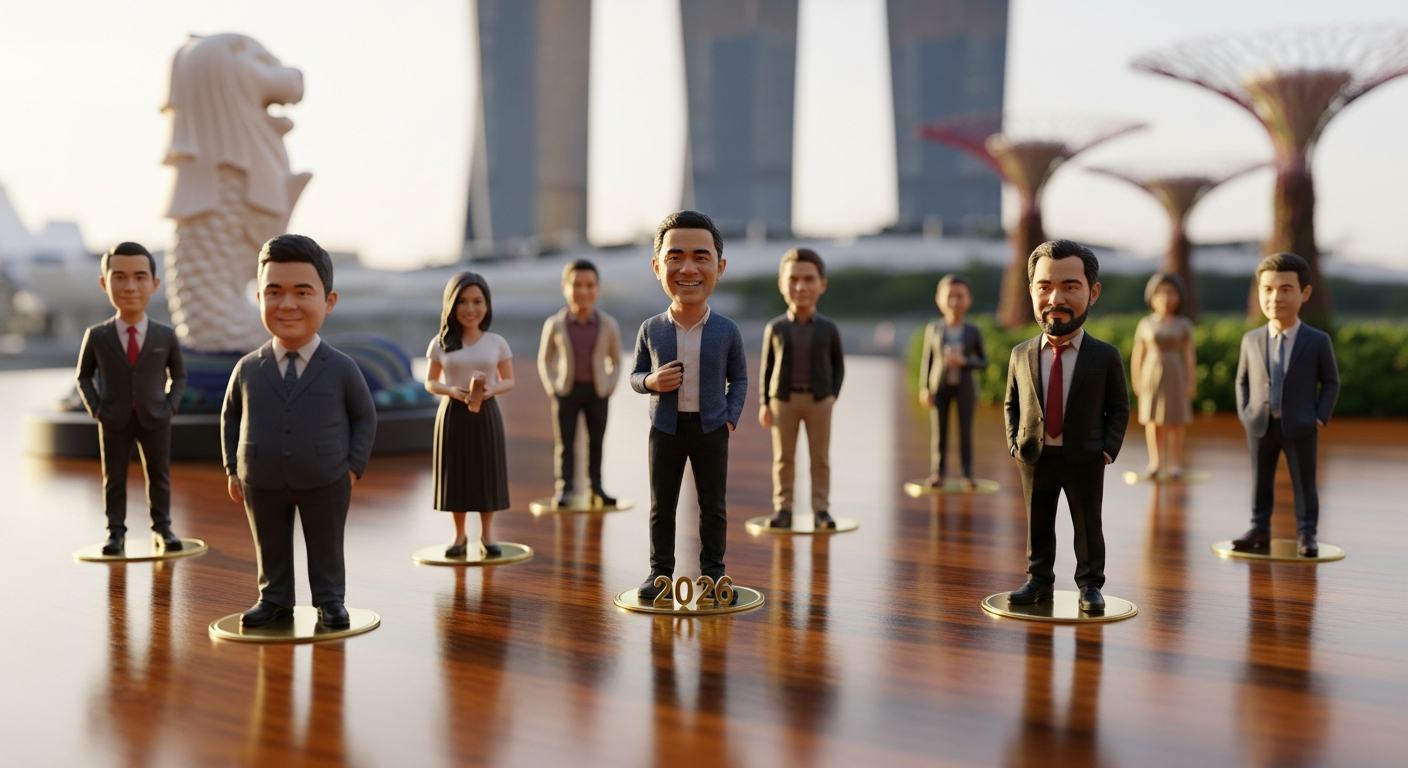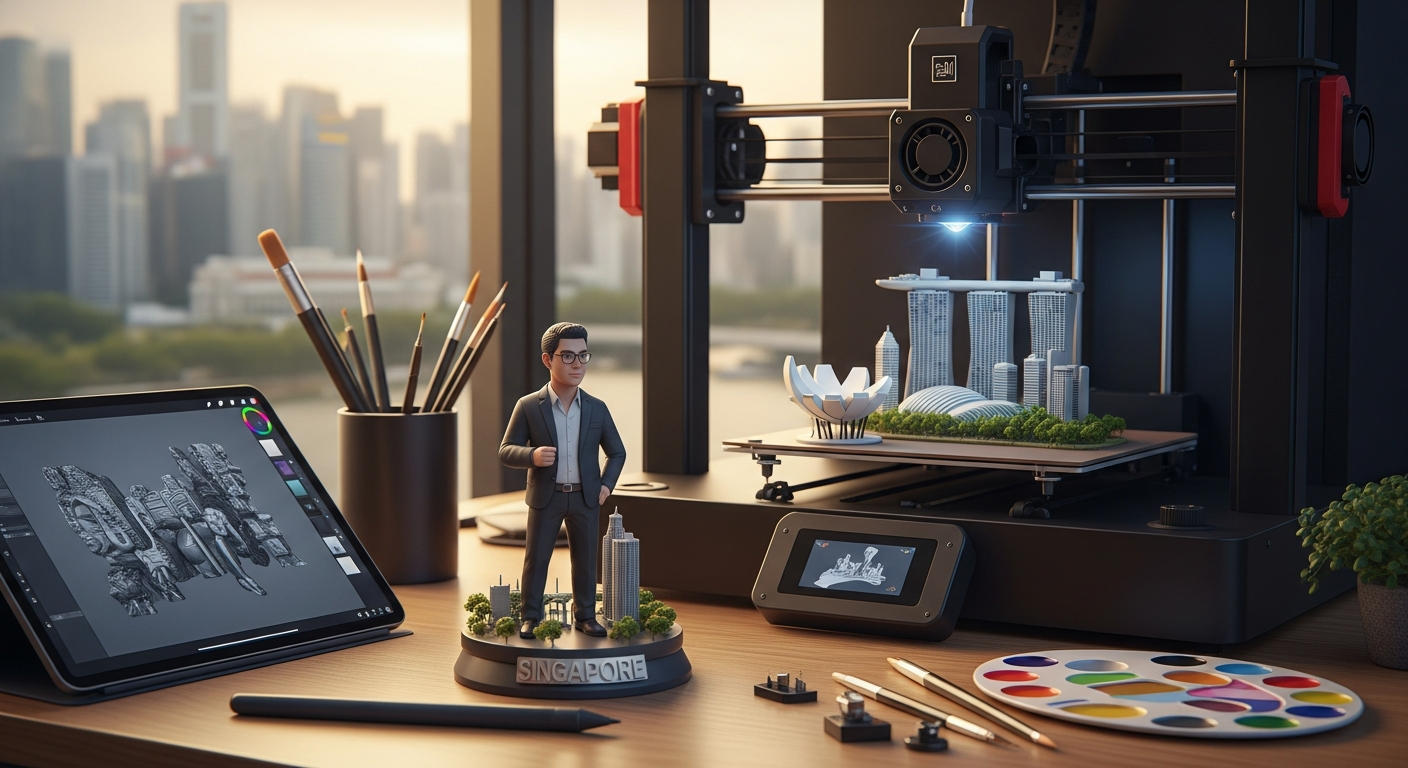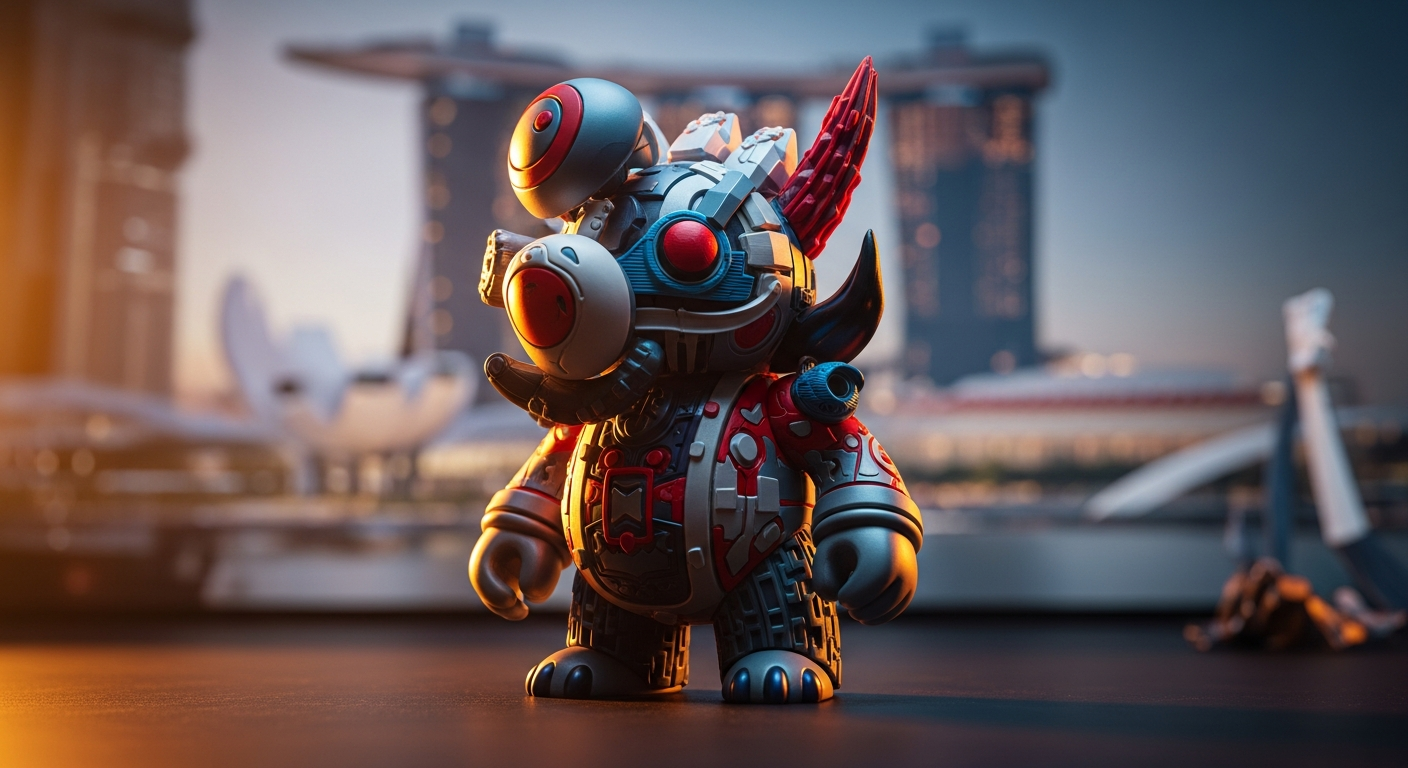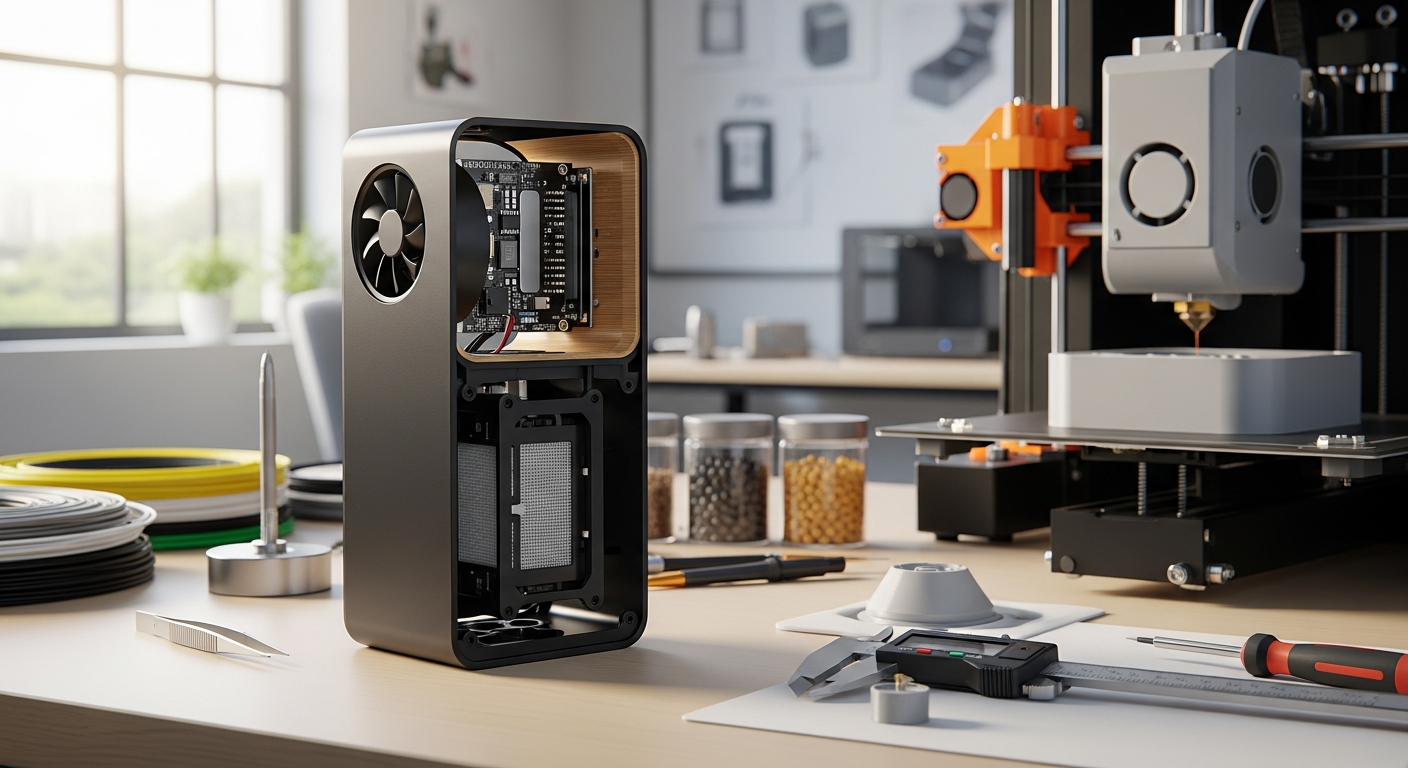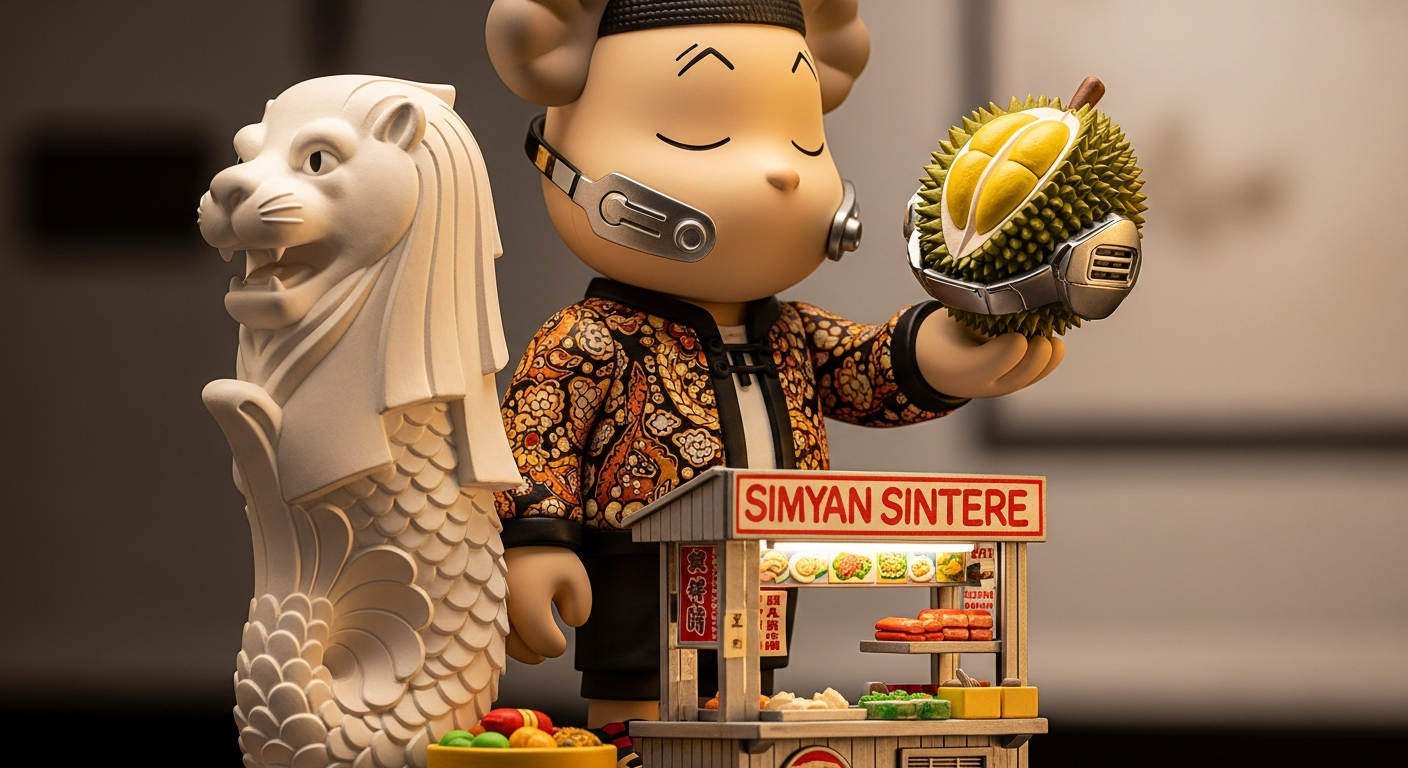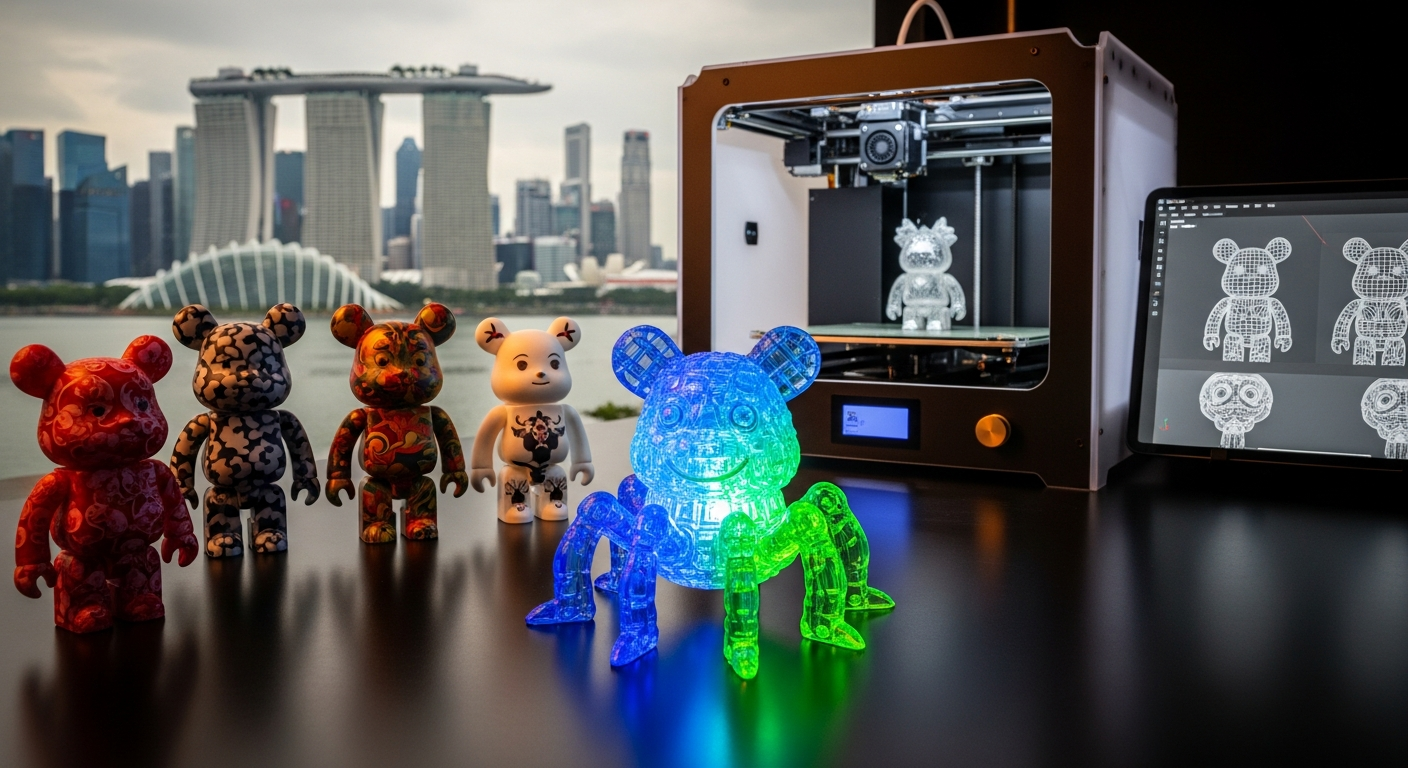
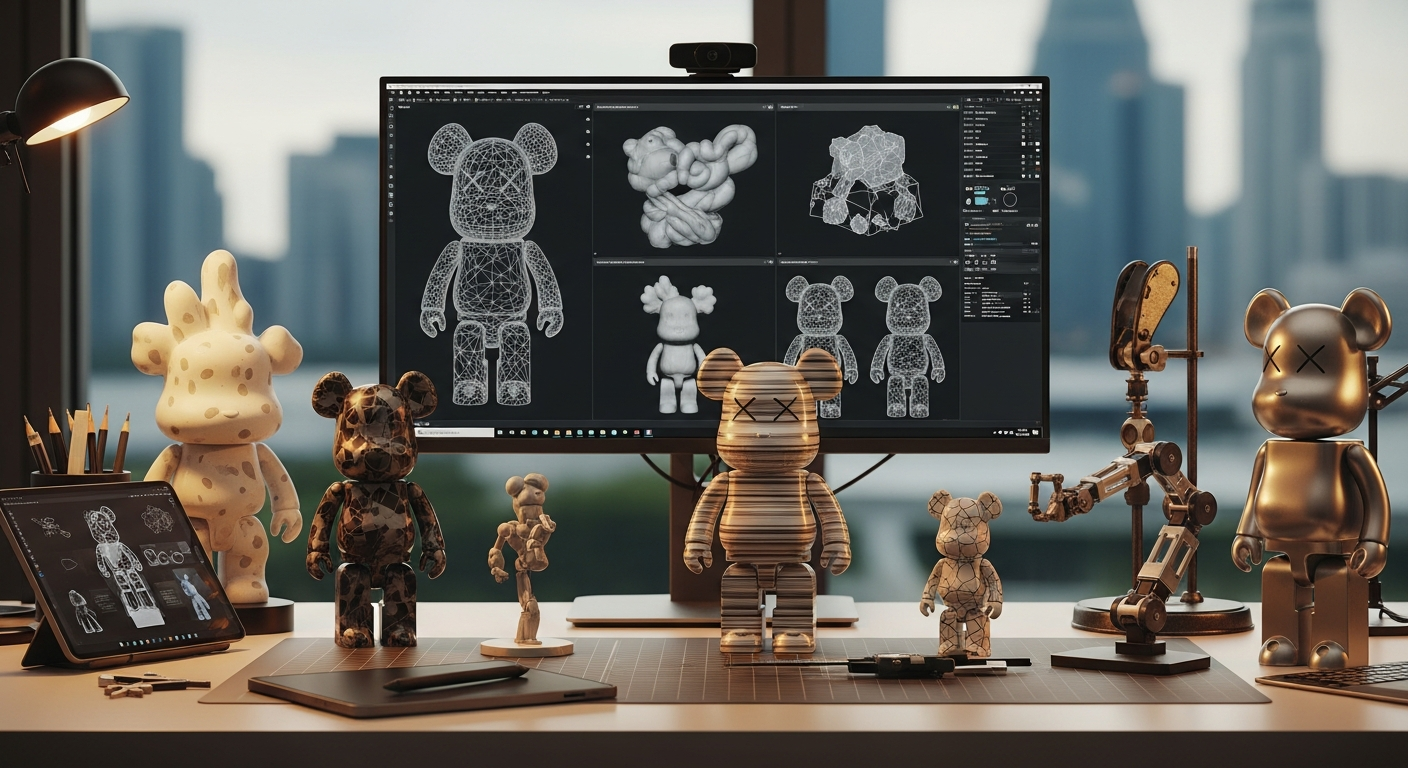

The art toys movement has matured from small-run collectible figurines into a sophisticated intersection of design, technology and commerce. In 2025, independent artists, boutique studios and brands are leveraging advances in additive manufacturing to push creativity, reduce time-to-market, and explore novel materials and finishes. For creators in Singapore and the broader APAC region, partnering with a specialist 3D printing partner unlocks production quality previously accessible only to large manufacturers. Whether it’s high-detail resin figurines or mixed-material prototypes, the union of art toys and 3D printing is reshaping how limited editions, artist collaborations, and customized runs are produced.
These trends make partnerships with local providers essential. For artists seeking reliable execution, a dedicated 3D partner in Singapore provides fast prototyping, consistent color management, and streamlined logistics via a trusted art toys collaborator.
Material innovation is a primary engine driving higher-quality art toys. Recent advances include:
Finishing techniques are equally important. Vapor smoothing, multi-stage priming, airbrushing, pad printing and selective plating elevate printed parts into gallery-quality objects. For teams in Singapore, leveraging local finishing services alongside additive fabrication reduces turnaround times and avoids international shipping bottlenecks—something many find valuable when scaling limited art drops via a trusted materials pipeline.
A streamlined workflow separates successful launches from stalled projects. Typical modern pipeline elements include:
Adopting best practices shortens iteration cycles and reduces waste. Many Singapore-based providers specialize in optimizing these stages for art toys, offering tailored DFM (design for manufacturing) feedback and batch management. Creators can therefore move faster from prototype to fulfillment with a local production workflows partner.
Singapore is emerging as a regional hub for precision manufacturing, and that has direct benefits for art toy creators:
Local providers often offer end-to-end services tailored to artist needs: multi-material printing, color-matching, and small-batch painting and assembly. Working with a specialized 3D printing service Singapore lets artists focus on design while technical partners handle production complexities.
The monetization landscape for art toys is evolving:
3D printing enables flexible batch sizes and variable product features, which fits perfectly with scarcity-driven business models. For artists scaling to periodic releases, a reliable local fabrication partner ensures production aligns with marketing timelines and collector expectations.
Cost structures vary with material, resolution and finishing. Key points:
Transparent quotes, prototypes and test runs—services commonly offered by Singapore-based firms—help creators forecast margins and retail pricing. A dependable 3D printing service Singapore will typically provide samples and scale plans to support long-term growth.
Protecting intellectual property and ensuring consistent quality are top priorities. Best practices include:
Reputable providers in Singapore usually have robust protocols for IP and confidentiality, reducing the risk of unauthorized reproductions and helping maintain the exclusivity collectors expect from art toys.
When evaluating providers, consider:
A good partner will function as a collaborator, not just a vendor. Many artists find that working with a dedicated local art toys studio yields better outcomes and smoother product launches.
Expect continued refinement of materials and finishing processes that blur the line between handcrafted and digitally fabricated toys. Advances in multi-material printing and automated post-processing will lower labor costs for intricate finishes. Sustainability will drive new material certifications and circular workflows, influencing collector purchasing decisions. Finally, deeper integration with e-commerce platforms and serialized production management tools will make periodic drops and personalized editions easier to execute.
The convergence of creative design and precise local manufacturing creates a fertile environment for art toy creators in Singapore and the region. By choosing the right 3D printing partner and adopting efficient, sustainable production practices, artists and brands can deliver standout pieces that meet collector expectations and scale intelligently.
A well-chosen 3D printing partner in Singapore will provide technical guidance, consistent quality and logistics support so you can focus on storytelling and design. Partnering locally accelerates iterations, improves quality control and makes premium, limited-edition art toys viable at multiple price points.